

Table of Contents
Blockmachine has launched on mainnet as Bittensor Subnet 19, introducing a decentralized RPC marketplace designed to route blockchain queries across competing nodes.
The platform allows developers, agents, and infrastructure operators to send JSON-RPC requests through a single endpoint, with traffic routed to independent nodes based on performance and availability.
According to the team, each response is cryptographically verified using Merkle proofs, removing reliance on a single provider.
Live With Production Usage From Day One
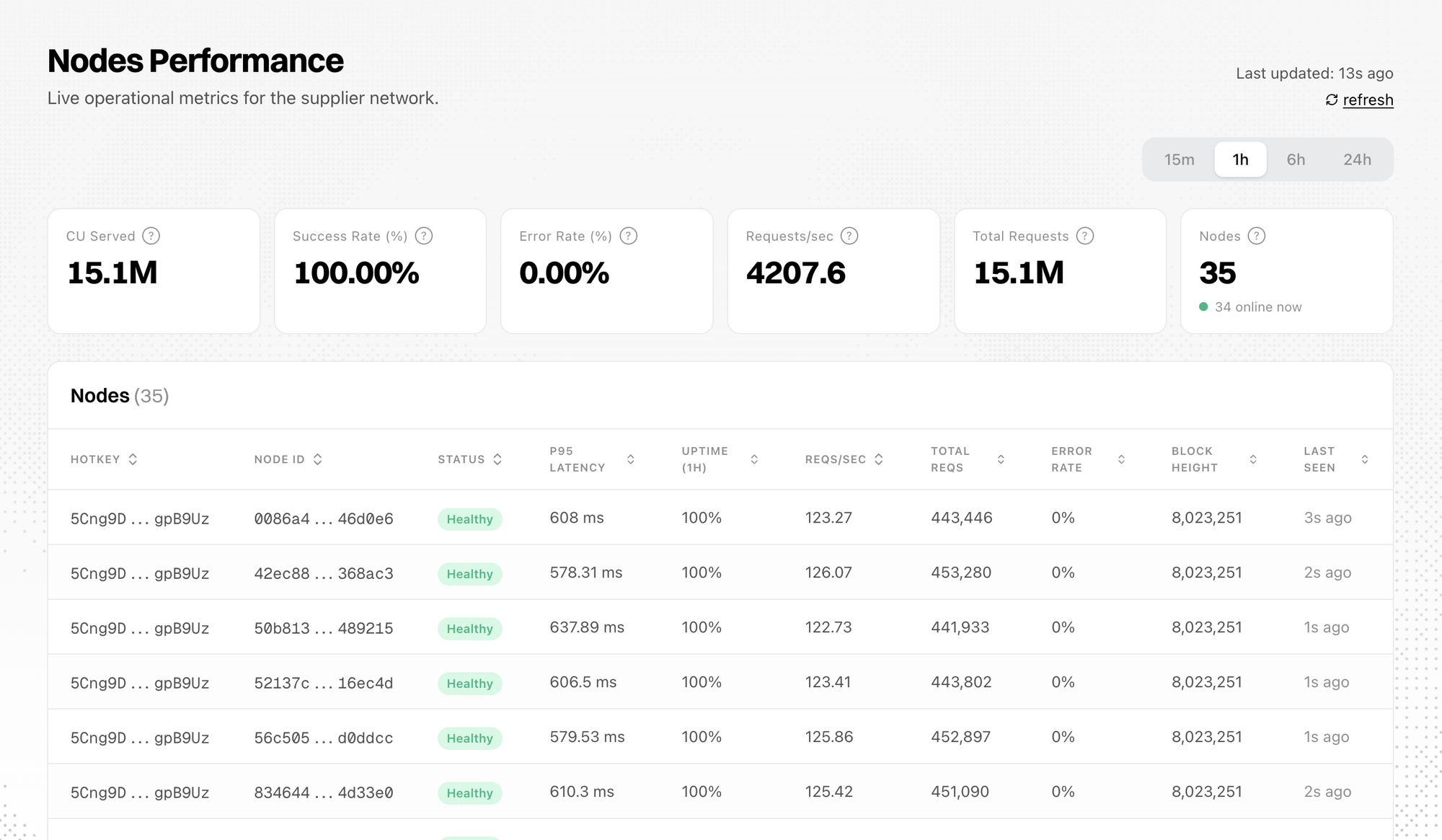
Blockmachine launched with a live product and paying customer activity already in place.
In a post, strategic advisor Marcus Graichen described it as “the first Bittensor subnet to launch on mainnet with a real product, real customers and real revenue from day one.”
The platform currently supports 155 JSON-RPC methods across HTTP and WebSocket, including subscription-based queries and full archive state access. The team said infrastructure for uptime, routing, and billing is already operating in production, with additional chain support planned.
One early customer already using the service is Taostats.
Blockmachine is positioned as an alternative to centralized RPC providers such as QuickNode and OnFinality. The system routes requests through a network of independent nodes, with validators verifying responses and routing logic directing traffic toward faster or more reliable providers.
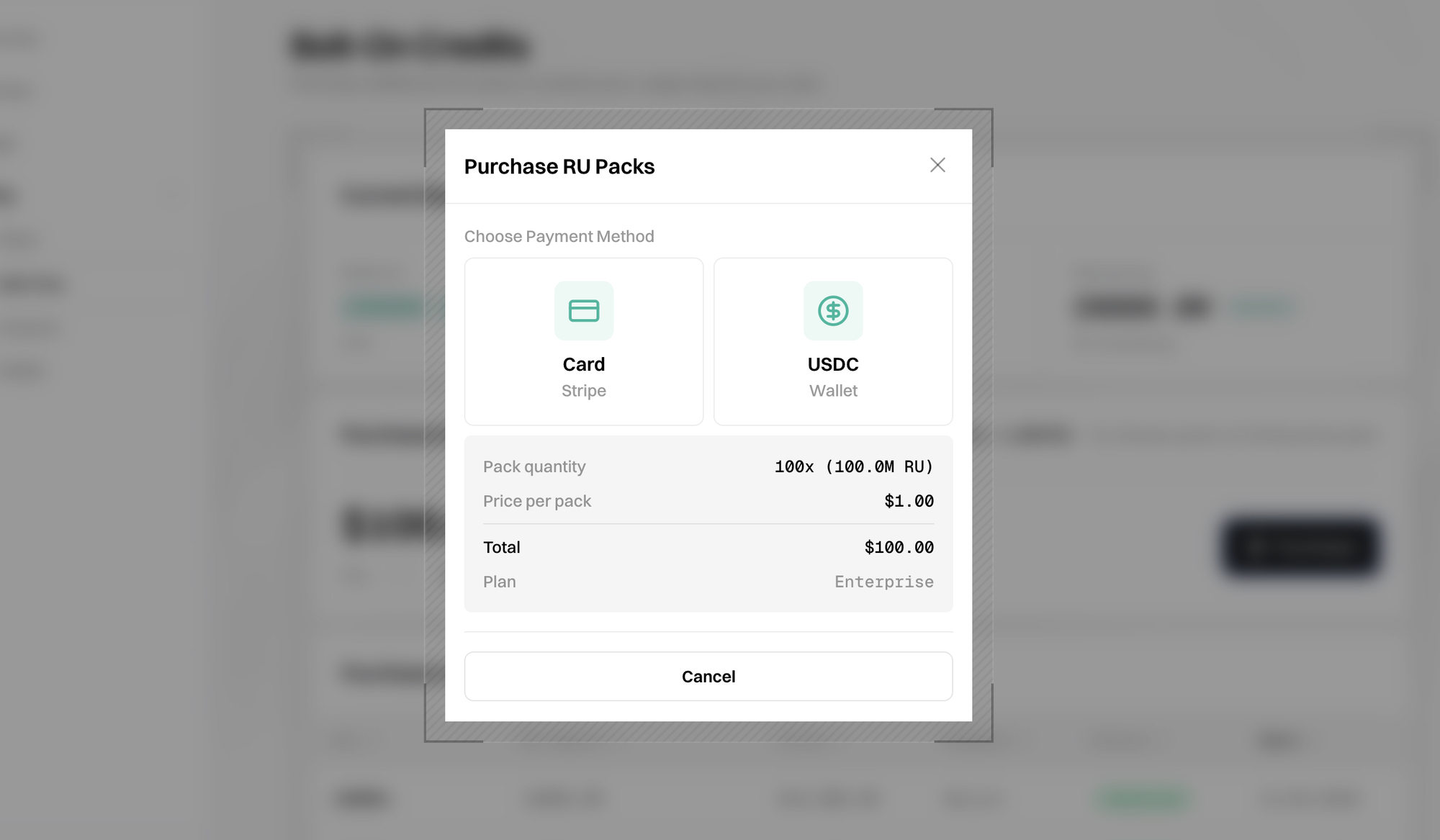
The platform also supports both crypto-native and traditional payment flows. AI agents can fund usage and settle payments on-chain using USDC, while enterprises can use credit cards, crypto top-ups, or a hybrid billing model.
Introducing Market-Driven Pricing Inside a Subnet
A key feature of Blockmachine is its pricing model, which introduces a live market layer on top of Bittensor’s incentive mechanisms.
Miners set their own compute unit prices and adjust them based on demand, operating costs, and competition. Nodes offering lower prices or better performance are expected to receive more traffic.
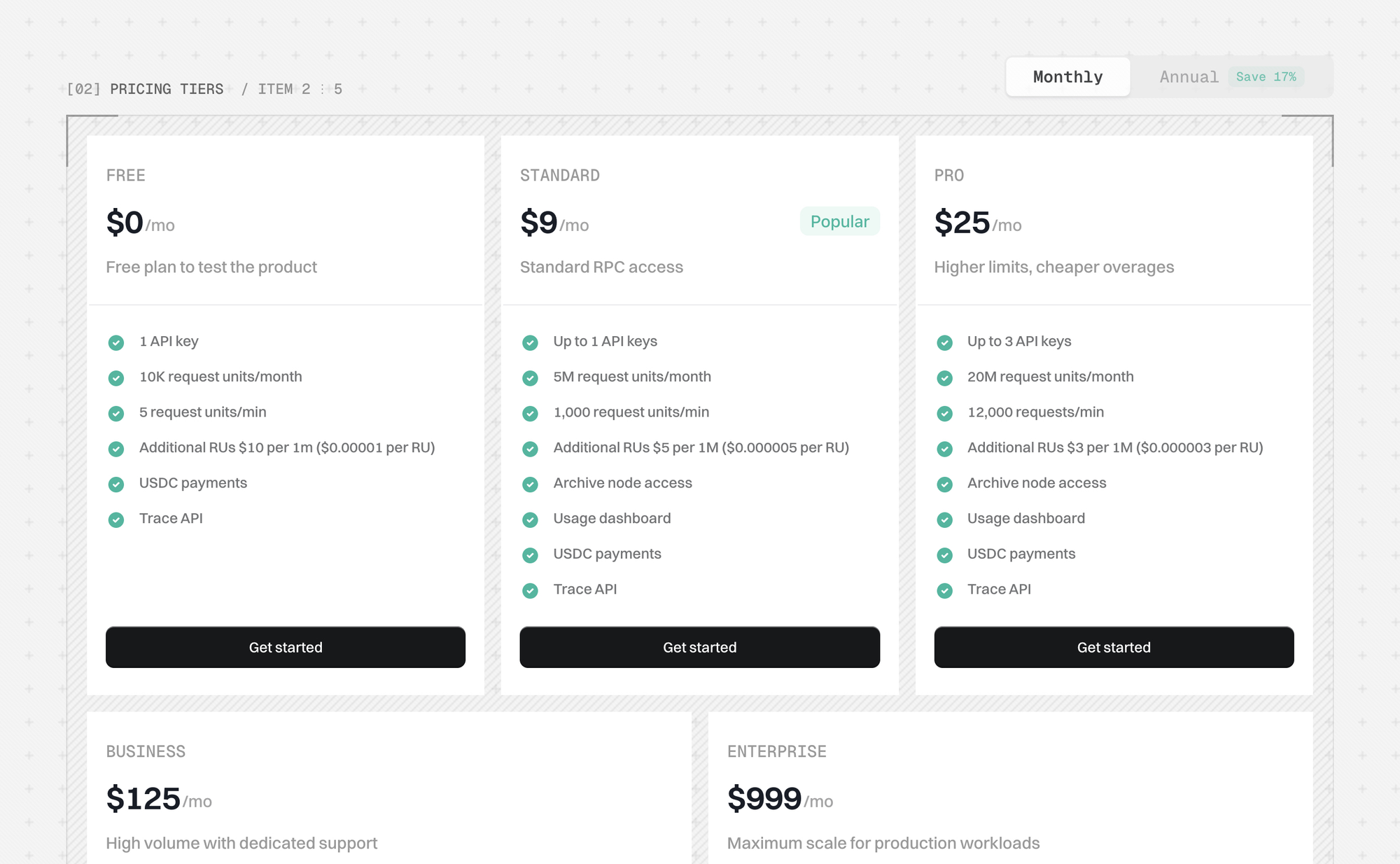
This creates a dual system where miners compete both on technical performance, such as uptime and response quality, and on price.
The team describes this as the first instance of supply-and-demand pricing operating directly within a Bittensor subnet.
Expanding Infrastructure for Bittensor Applications
The launch of Blockmachine adds a new category of infrastructure to the Bittensor ecosystem, focused on the underlying “pipes” used by applications, validators, and agents to access blockchain data.
Moving forward, the team plans to expand the platform with additional chain support, an affiliate program, and further tooling for developers and agent-based systems in the coming weeks.