Table of Contents
Physical Intelligence has opened a public beta for the Pi API, giving robotics developers access to hosted fine-tuning and inference for the company’s π0 and π0.5 robot foundation models.
The release turns a model-adaptation process the company had been running with selected partners into a broader developer product. Teams can upload demonstration data, fine-tune a π model on infrastructure managed by Physical Intelligence, and run the resulting model on their own robots through a hosted inference gateway.
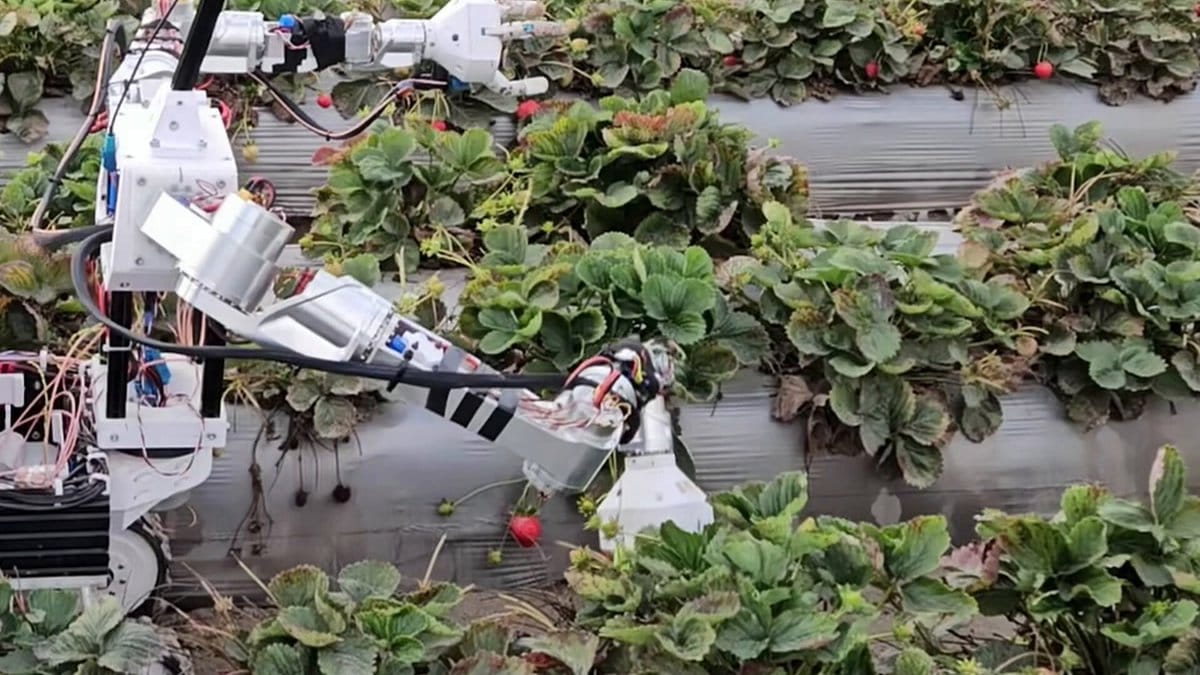
The beta opens access beyond the early partner group. In its announcement on X, Physical Intelligence said it had worked with companies across industries to adapt its models to different robots and applications, “from harvesting strawberries to assembling servers,” and was now opening access to more teams.
How the Pi API Works
The Pi API is built around a practical robotics iteration loop: collect demonstrations, train a model, test the model on hardware, evaluate failures, and use those failures to decide what data to collect next.
That cycle is familiar to robotics teams, but adapting general-purpose robot foundation models still requires machine-learning infrastructure, compute, and data pipelines that many teams do not want to build from scratch. The Pi API moves those pieces behind a managed interface. Developers bring robot data and the target task; Physical Intelligence handles fine-tuning and serves the model through a hosted gateway.
The latest model available through the API gives partners more data-efficient fine-tuning and improved capabilities, according to Physical Intelligence. The company also plans to keep updating the models behind the API so beta users can access newer systems over time.
The product gives developers a managed training-and-inference loop rather than a static model to download. It supports repeated policy improvement as teams add demonstrations, test against real-world failures, and refine a robot’s behavior in its actual operating environment.
Early Tests Span Wheel Loaders, Kitchens, Warehouses, and Dual-Arm Robots
Physical Intelligence said its early collaborations were meant to test two questions: whether its models could adapt across different robot hardware and industries, and whether the API could help developers iterate toward practical autonomy without relying on Physical Intelligence to run every step manually.
The company named a wide group of early partners in the launch, including Actor, AgRobotics, CloudChef, a dairy partner, Ultra, Weave, Almond, Argon Robotics, Chef Robotics, Deft, Dream Machines, Formic Robotics, Foundry, Frontier Machines, General Instinct, Intuition.dev, Omakase, robot.com, and Yondu.
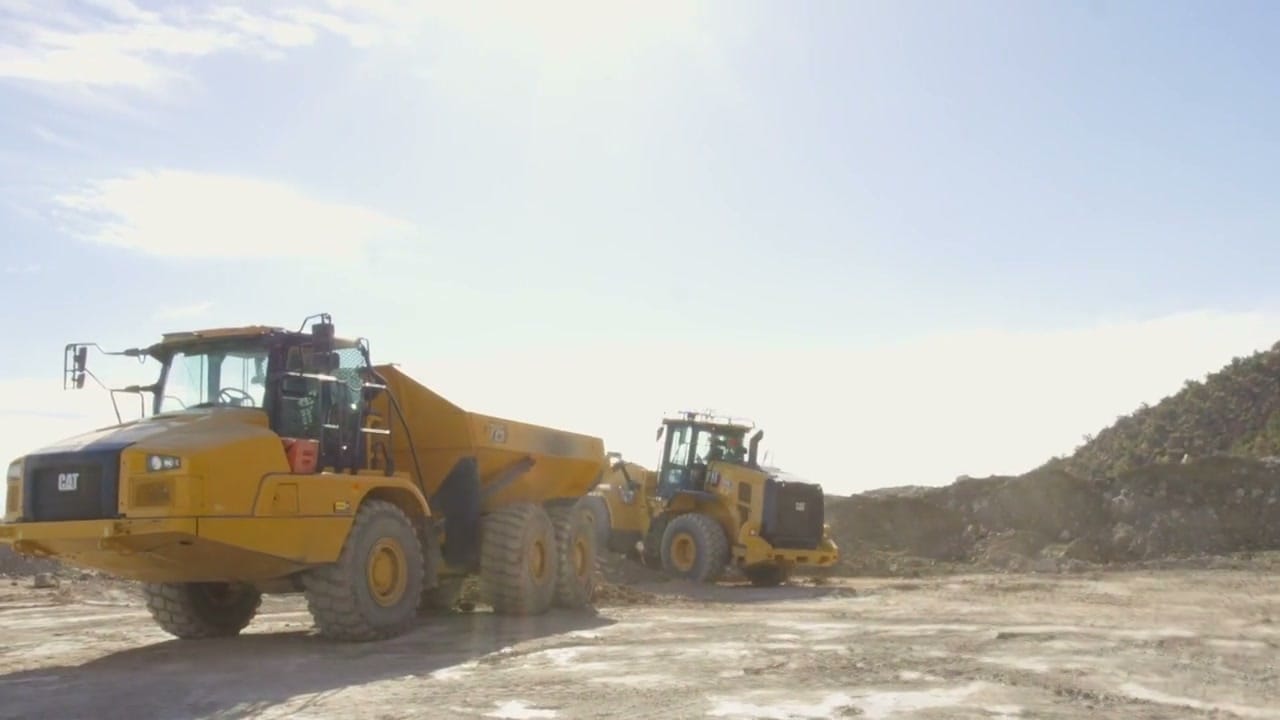
One example came from Actor, which deploys autonomous heavy machinery. Physical Intelligence said Actor’s autonomous wheel loader scooped material and loaded it into a dump truck during a commercial deployment without an operator inside the machine.
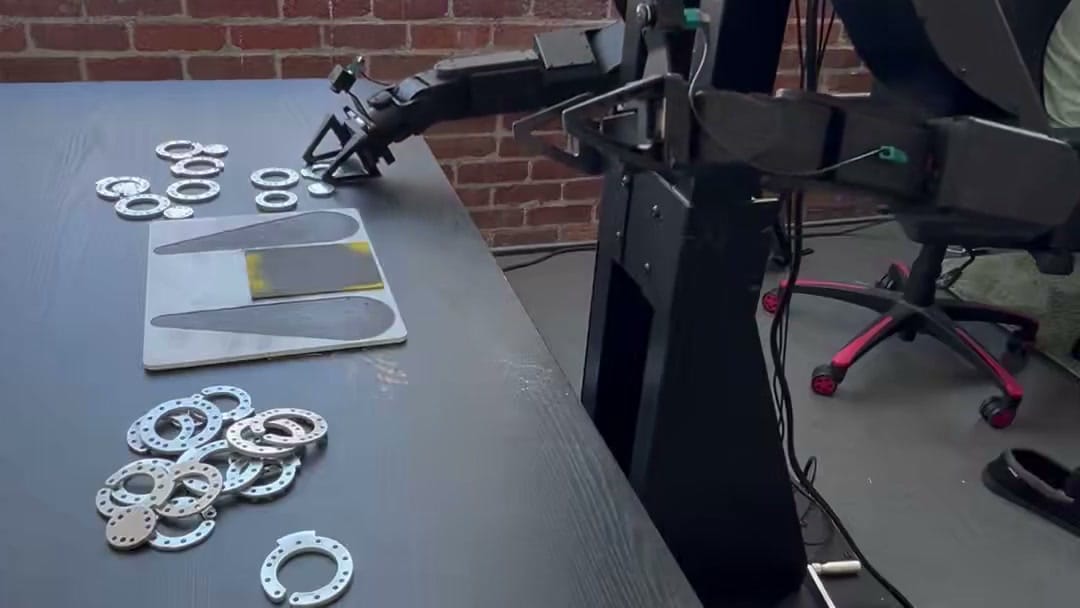
Another came from Almond, which builds Axol, a dual-arm robot for physical AI builders. Physical Intelligence said Almond used the Pi API over four days of iteration to obtain a model that let Axol deburr spacers used in its own assembly process.
Most of the applications shown in the beta announcement ran through cloud-hosted inference, including deployments across the United States, Japan, and Switzerland, according to Physical Intelligence. The company also noted that network connectivity created challenges for some early users, a limitation for robots that depend on remote model serving during real-world operation.
The Pi API as Physical AI Infrastructure
The Pi API pushes Physical Intelligence toward a foundation-model infrastructure role in robotics. Instead of working only through direct collaborations, the company is packaging its models, compute, and deployment workflow as a service that other robotics teams can use on their own data.
Physical AI is constrained by more than model quality. Robots need task-specific demonstrations, reliable data collection, hardware integration, site-specific testing, and repeated evaluation. A hosted API can reduce the infrastructure burden, but it also introduces tradeoffs around cloud inference, latency, connectivity, and the amount of control developers have over the underlying model stack.
That makes the Pi API beta a useful reference point for managed physical-AI infrastructure. The product is not just a model endpoint; it is a loop for uploading data, fine-tuning policies, testing them on hardware, and improving from failures.
Physical Intelligence is directing interested teams to a beta signup form.