

Table of Contents
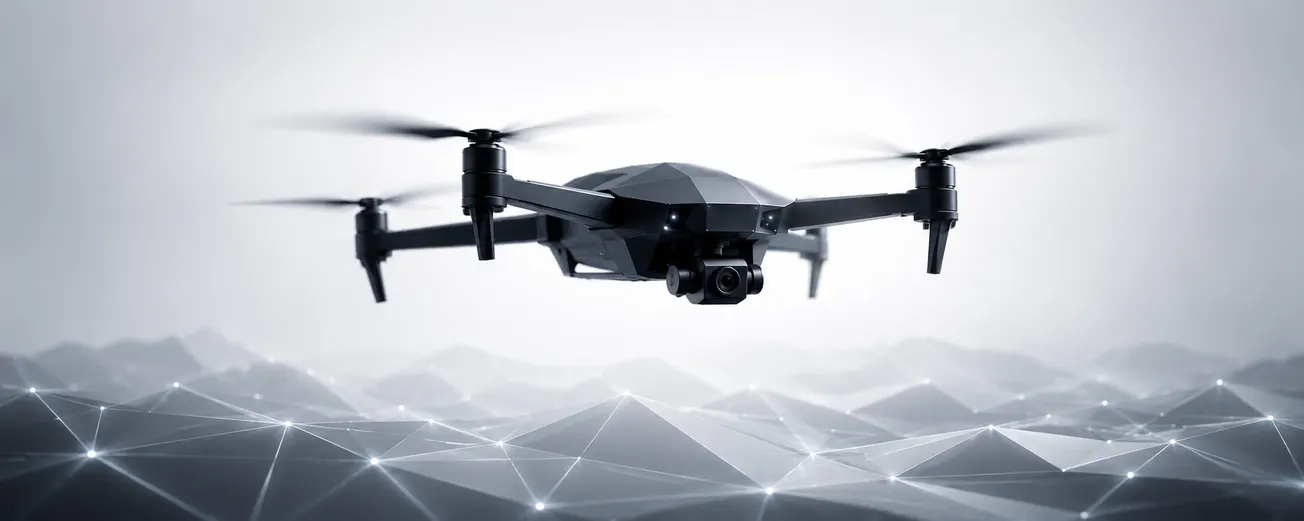
Swarm has secured its first commercial project, with German Solar Power choosing the Bittensor-based autonomous drone subnet to develop surveillance systems for solar parks in Greece.
The project was announced by Swarm in an X post, where the team said the deployment will focus on autonomous drone patrols that can detect intruders, fires, hotspots and equipment failures before docking, recharging and returning to service.
Swarm has been building an open benchmark for autonomous drone intelligence on Bittensor, where participants compete to improve how drones perceive environments, navigate, and complete operational tasks.
Solar operators face a concrete monitoring problem. Large solar parks require constant monitoring across wide physical areas, including perimeter security, fire risk, overheating panels, damaged equipment and other operational faults that can reduce output or create safety issues. Autonomous drones can extend surveillance beyond fixed cameras and manual inspections by repeatedly covering the site, identifying risks and returning to a dock for charging.
Swarm provides the autonomy layer behind that workflow. Instead of relying on manually piloted inspection tools, the project builds systems that can patrol, interpret conditions and keep operating with limited human intervention. The deployment connects Bittensor’s subnet incentives and machine intelligence benchmarks to a physical infrastructure problem with measurable operational value.
You can learn more about Swarm in our intro guide:
 Antonio Verrico
The Greece project also gives Swarm an early test case for how autonomous drone networks can move from research and competition into customer-facing services. Commercial solar facilities are demanding environments for robotics because they combine outdoor navigation, variable weather, safety requirements, visual anomaly detection and the need for reliable repeat coverage.
Swarm did not disclose the project’s deployment timeline or the number of sites covered by the German Solar Power engagement.