


Table of Contents
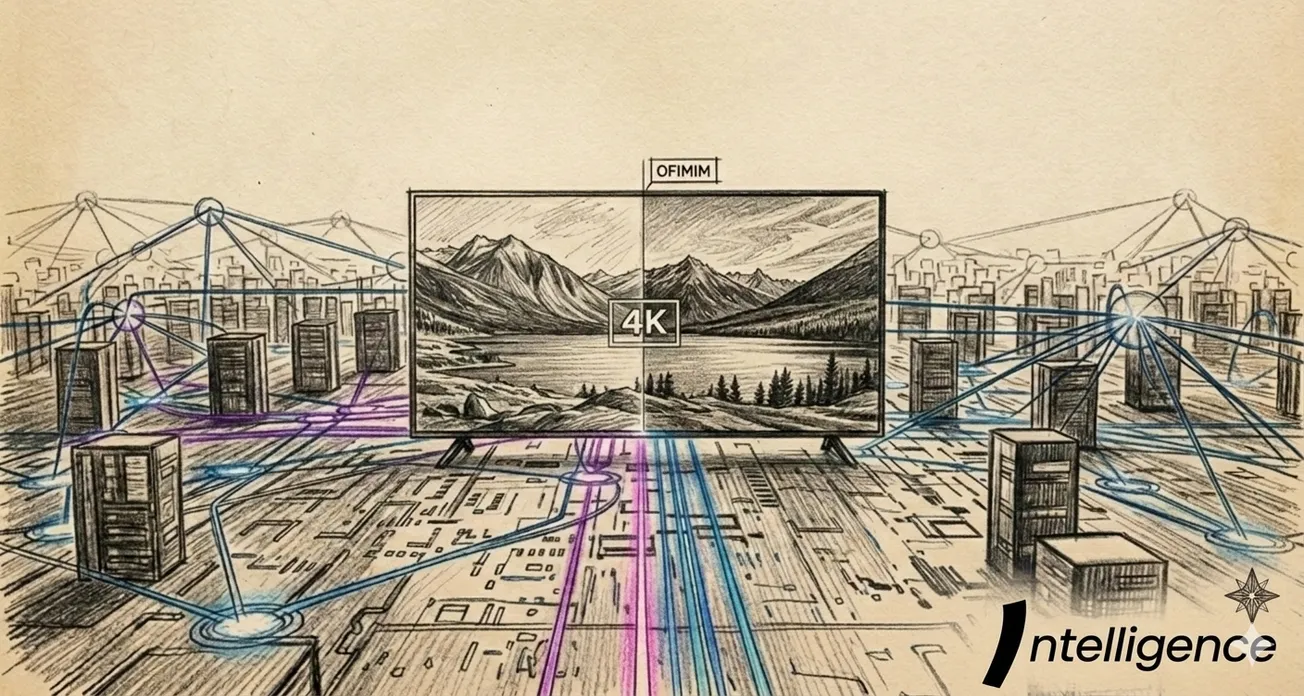
Zeus, Bittensor Subnet 18, has published a new roadmap outlining a three-phase plan to evolve from core forecasting infrastructure into a commercial weather intelligence platform for energy markets and other industries.
The update marks a notable step for one of Bittensor’s more specialized subnets, which focuses on decentralized weather forecasting. According to the team, Zeus miners are consistently outperforming state-of-the-art baselines across the forecasting grid, supporting the viability of the subnet’s design.
The roadmap outlines how the project plans to move from infrastructure validation toward product deployment and commercial scale.
What Zeus Is Building
Zeus operates at the intersection of machine learning, climate science, and decentralized incentives.
The team’s mission is to combine specialized forecasts from a global network of contributors into a unified intelligence layer delivered through an API. By leveraging Bittensor’s competitive subnet structure, Zeus aims to continuously improve forecast accuracy while coordinating contributors at scale.
The broader objective is to transform weather forecasting into a decentralized intelligence market.
Phase 1: Foundation
The first roadmap phase focuses on structural refinement and positioning Zeus beyond a single subnet.
Company Positioning and Website Launch
Zeus plans to launch a new website that reflects a broader vision. The team is positioning Zeus as a core data provider delivering decentralized weather forecasts while building applied intelligence systems for energy markets and other sectors.
Incentive Mechanism Changes
Zeus is transitioning its incentive model to a winner-takes-all structure for each forecasting variable.
Under the proposed design:
- Top performers are selected per variable
- Six winners will be chosen initially
- The model is intended to reduce UID pressure
- Rewards concentrate on highest-quality outputs
The team said it will monitor performance and stability closely and adjust the mechanism if needed.
Phase 2: Application
The second phase centers on product development and deployment into trader workflows.
Forecasting the Forecast
Zeus plans to introduce a new competitive layer that predicts upcoming runs of major weather models, particularly the European high-resolution IFS model, which updates every six hours.
The initiative follows more than 100 conversations with energy traders, according to the team.
Energy markets often react to shifts in expectations tied to model updates. Zeus miners will forecast the next IFS run alongside ERA5 environmental forecasting within a 50/50 competition structure.
The goal is to provide earlier signals that may help traders anticipate market repositioning.
IFS runs every 6 hours. Every trader is glued to each run. We’re going to front-run it. ⏱️
— Egill from Zeus | SN18 (@egillwx) February 21, 2026
Forecasting the Forecast may be the most valuable thing we’re shipping. Spoken to dozens of energy traders on this.
It’s not just weather that moves markets, it’s the shift in… https://t.co/QZ0SA7AkxE
Energy Trader Software V1
Zeus is developing a dedicated software platform designed for energy trading desks.
Planned capabilities include:
- Customizable charts and maps
- Market-aware signals
- Aggregation of IFS and GFS models
- Workflow-aligned dashboards
Zeus forecasts will appear alongside traditional models, allowing traders to compare consensus forecasts with the subnet’s independent signal.
The initial rollout is expected to occur through pilot agreements with select trading desks. The team indicated that early commercial contracts may follow product deployment.
Weather Station Pilot Program
Zeus also plans to deploy physical weather stations near farms and renewable assets.
These stations will collect hyper-local observational data that can be used to tailor forecasts to specific sites. The pilots are intended to test accuracy improvements and inform a potential localized intelligence business line.
Phase 3: Expansion
The final phase focuses on adoption and vertical growth.
Commercial Scale
After product maturity, Zeus plans to expand from pilot programs into broader deployment across energy trading desks and industry events. The focus is on measurable value and revenue generation.
Localized Forecasting
If pilot deployments show strong results, Zeus intends to scale its weather station network into a subscription-based intelligence product tied to specific assets.
Additional Verticals
Beyond energy markets, Zeus is exploring expansion into insurance and aviation. The team believes its decentralized forecasting and anticipation layers can transfer into other weather-sensitive industries.
Validation Layer Update On Deck
The roadmap notes that Zeus is postponing its previously discussed V2 validation upgrade involving WeatherXM station integration.
The team stated that the direction remains unchanged, but the rollout will wait until the implementation is fully ready.
Disclaimer: This article is for informational purposes only and does not constitute financial, investment, or trading advice. The information provided should not be interpreted as an endorsement of any digital asset, security, or investment strategy. Readers should conduct their own research and consult with a licensed financial professional before making any investment decisions. The publisher and its contributors are not responsible for any losses that may arise from reliance on the information presented.




%20Publishes%20Roadmap%2C%20Signals%20Shift%20From%20Infrastructure%20to%20Applied%20Intelligence)