

Table of Contents
Agility Robotics plans a new 50,000-square-foot facility in Pittsburgh to develop software and AI for its Digit humanoid robot and support customer fleets. The site will also become the company's East Coast service center, combining skill development, deployment, and repair teams in one location.
The expansion will add approximately 35,000 square feet to Agility's existing Pittsburgh footprint. Alongside the expansion news, Agility said it has added four customers across automotive, consumer goods, and agriculture. Digit already operates with GXO, Schaeffler, and Toyota Motor Manufacturing Canada.
The facility will include space for evaluating customer workflows before deployment and testing new Digit skills in simulation and physical environments. Teams will validate applications, deploy robots and workflows, monitor fleets, and carry out complex service and repairs. Its East Coast service operation will complement existing capabilities at RoboFab in Salem, Oregon.
Chief Technology Officer Pras Velagapudi said bringing those functions together would help software and AI teams learn from deployed robots and return improvements to the field faster.
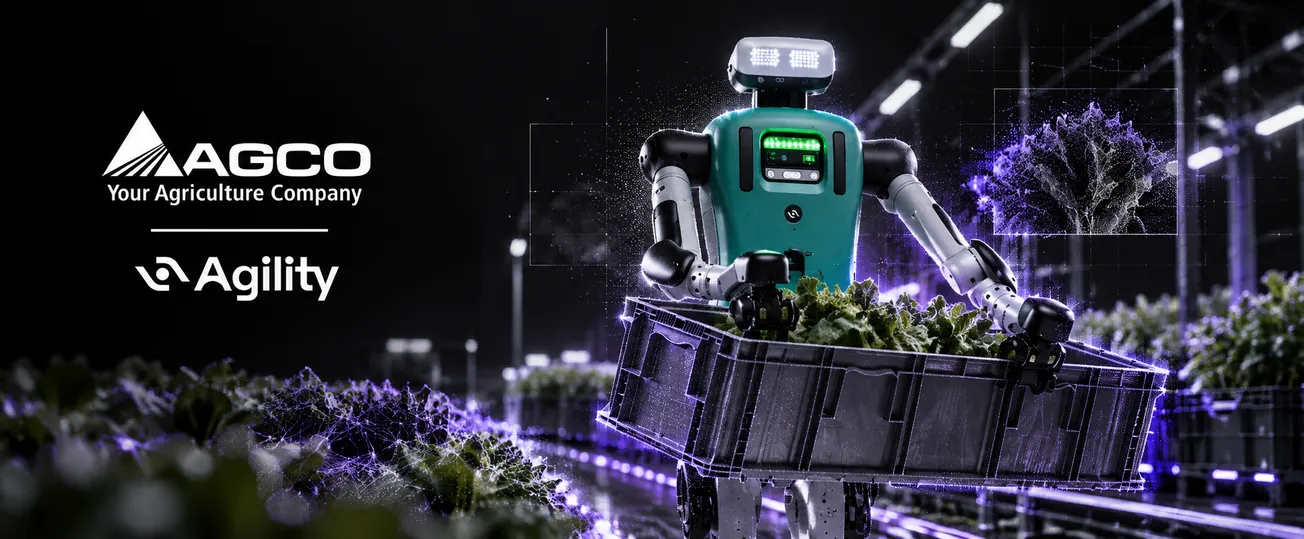
The customer expansion follows an agreement to pilot Digit at AGCO's Hesston, Kansas, factory in 2027. Initial work there will include sorting and stacking parts and placing totes into storage. Agility also reports more than $300 million in multi-year orders for Digit 5, subject to contractual milestones.
Pittsburgh's expanded role gives each of Agility's three U.S. locations a distinct focus. Salem houses manufacturing and operations, Fremont, California, concentrates on hardware and physical AI, and Pittsburgh will lead software and AI alongside deployment and service.
Agility is also preparing for a proposed Nasdaq listing through its merger with Churchill Capital Corp XI. The transaction is expected to close in the fourth quarter of 2026, with the combined company expected to trade under the ticker AGLT.
For the Pittsburgh expansion, Agility plans to hire software and AI engineers, service technicians, deployment specialists, and team leaders. It expects employees to gain their first access to the facility by the end of 2026.