
Table of Contents
OpenAI has acquired Orchestra Bio, adding software for coordinating drug-development programs to its life sciences business. The company is bringing Orchestra’s team and technology together with Rosalind, its AI models and tools for scientific research.
The combination extends OpenAI’s work beyond helping researchers answer biology and chemistry questions into managing the interconnected studies, manufacturing activities, and decisions needed to develop a medicine. OpenAI plans to build agents that connect scientific findings with the work required to advance a drug candidate.
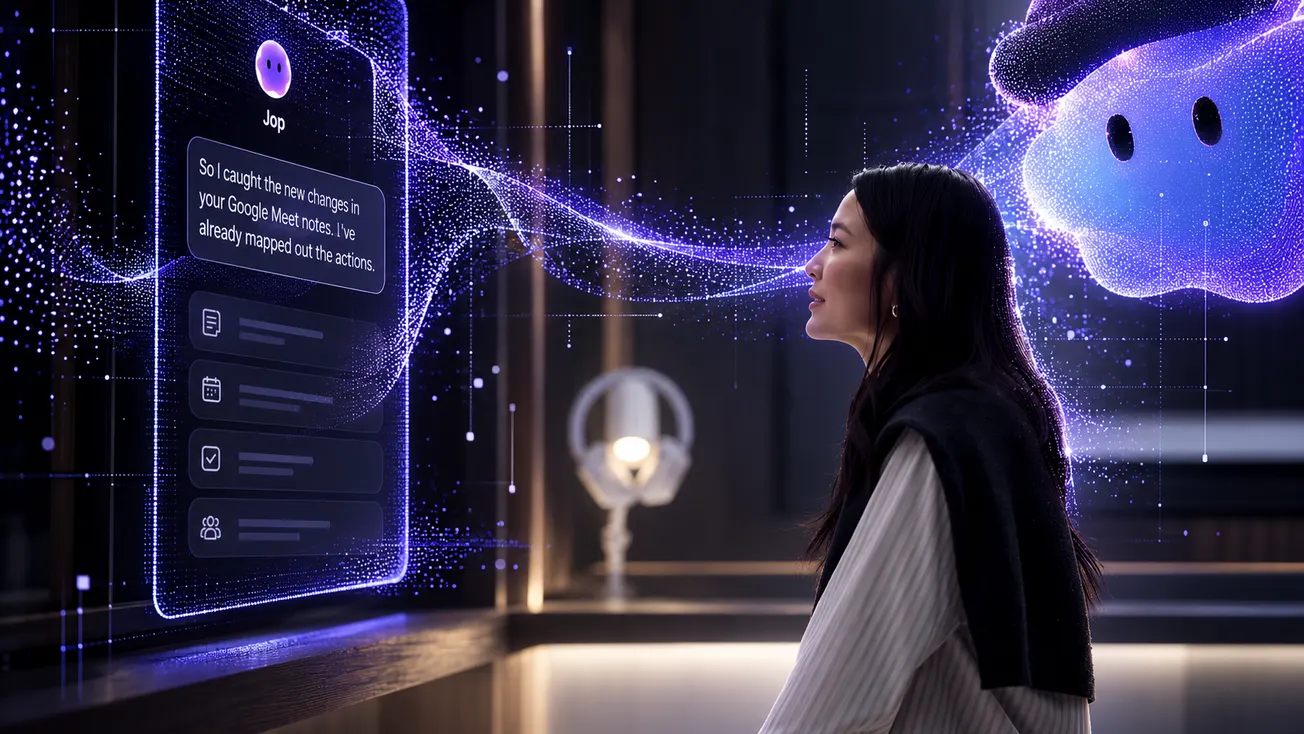
Orchestra’s platform lets scientists and program leaders delegate study and campaign monitoring to AI agents. Those agents track work across a program, helping teams spot problems and assess their consequences while people guide the program and make decisions.
Orchestra’s agents help identify the affected activities and timelines of failed manufacturing batches that can push back clinical trials, collect relevant information, and compare possible responses. That connects an operational setback with its downstream effects, giving program leaders an analysis they can use to choose their next steps.
GPT-Rosalind helps researchers reason through biology and chemistry questions, while Rosalind Workbench connects those capabilities with scientific tools and data for analyzing results and planning experiments. Orchestra adds coordination across the broader drug program, including work involving internal departments and external partners.
Developing a medicine takes roughly 10 to 15 years on average from target discovery to U.S. regulatory approval. Teams must coordinate that work across departments and outside partners, often using disconnected systems.
The acquisition builds on OpenAI’s work with biopharma companies. Its partnership with Novo Nordisk aims to accelerate research, development, and commercial execution while maintaining strong governance. At Moderna, OpenAI’s tools help teams translate complex data into experimental workflows.