

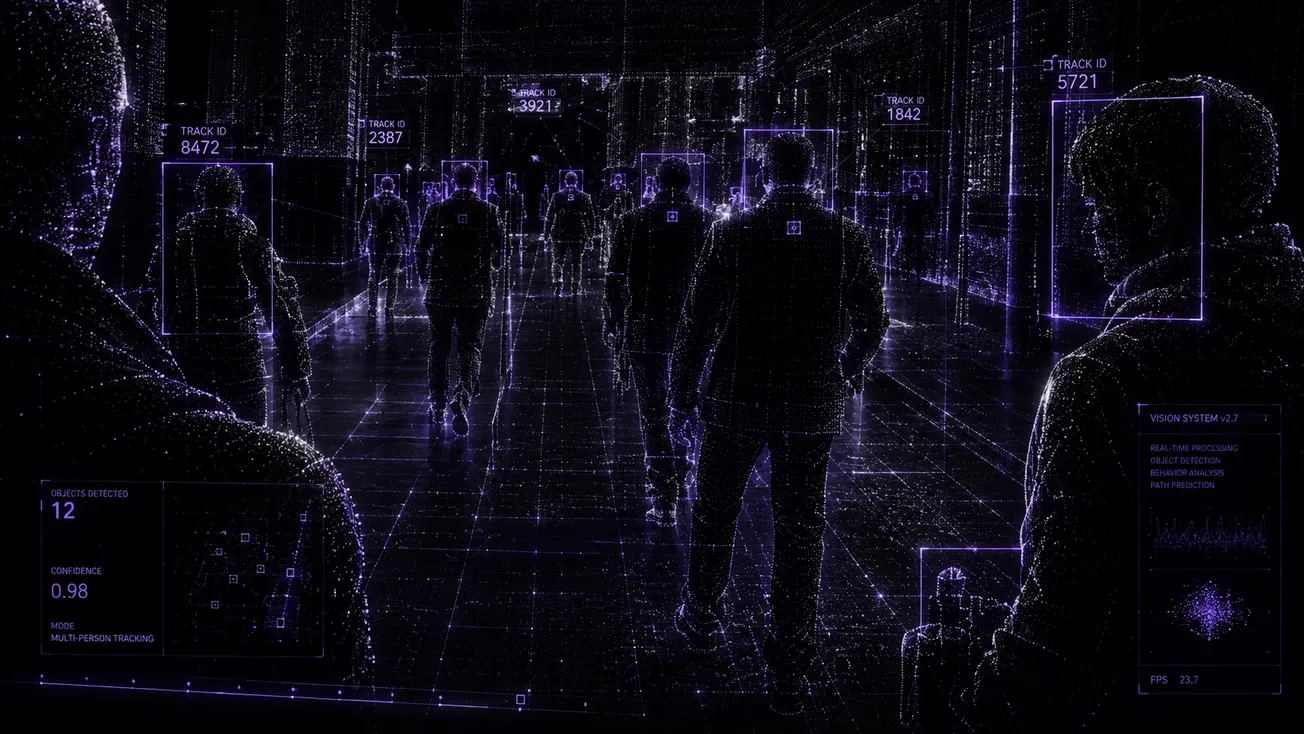
Score Is Taking Bittensor Subnet 44 From Computer Vision Into World Models
Score is preparing to launch Score Studio, a platform designed to productize Bittensor Subnet 44 and support an open-source world model trained through the network.
Score is preparing to launch Score Studio, a platform designed to productize Bittensor Subnet 44 and support an open-source world model trained through the network.

SubConnect's first Bittensor Revenue Index puts ecosystem annual revenue at $28M-$35M across 24 subnets. Lium, Targon and Chutes lead in verified revenue. PwC France, Dropbox and an NYSE-listed REIT sit on the customer list, and two subnets already out-earn their own miner emissions.
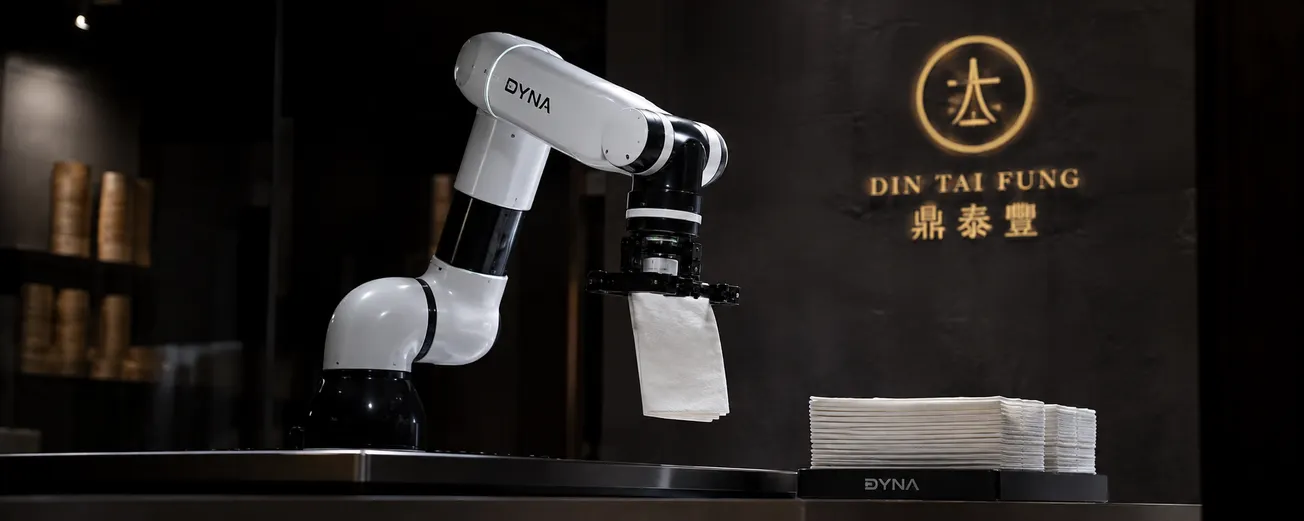
Dyna Robotics says its robots have crossed commercial ROI. Din Tai Fung, the highest revenue-per-location restaurant chain in the US, is rolling the fleet out network-wide, with hundreds of robots targeted across hotels, logistics, and data centers by 2027.

Swarm opened a new Interceptor competition on Bittensor Subnet 124, built for sim-to-real transfer, with real drone hardware going to the winning miner.

Green Compute (SN 110) runs Bittensor subnet 110 on UK farms with their own renewable power, skipping a grid queue where only 71 of 140 data centres have real funding. The subnet booked over $82,000 in its first month and routes 10% of revenue into alpha buybacks. Here's how the model works.

A Bittensor subnet is a small-cap decentralized AI company, but nothing prices it like one. Two things close the gap: enterprise revenue you can run a DCF on, and partnerships the AI industry recognizes. One breakout subnet brings the rest.

Phase one is live now, and this month's mesh operator testnet, eight machines pooling 820GB of VRAM, is the latest proof point.

Nepher Robotics runs Bittensor Subnet 49, where miners train Boston Dynamics Spot navigation policies in NVIDIA Isaac Sim, and validators score them in sandboxed containers, with only the top policy each cycle being paid.

Every AI product closed labs sell already has a working open source version on Bittensor. Here's the subnet-by-subnet mapping and where the value lands.

Synth's first research paper fine-tunes Amazon's Chronos-2 on Bittensor Subnet 50, then reports its live, validator-scored rank against 256 rival miners.

While Isomorphic Labs, GSK, and Anthropic poured billions into closed AI drug discovery platforms, Metanova (SN68) spent H1 2026 screening 11 million molecules in the open, tightening its incentives, and cutting synthesis time from months to days.

SWARM (Subnet 124) is Bittensor's open benchmark for autonomous drone flight, training AI pilots with a depth camera instead of GPS or maps. Its model, SOTAPilot, hit a 95.34% success rate across six procedural worlds, then flew on real hardware via the open-source Langostino drone.

Yanez (SN54), the compliance's synthetic identity data subnet, is expanding into Proof of Humanhood and Proof of Uniqueness verification. The subnet just confirmed all revenue from the new product, in fiat, stablecoins, or TAO, converts into SN54 alpha on-chain, with 20% locked forever.
Dendrite’s Albedo (SN97) is a Bittensor arena where miners compete to unseat a champion AI coding agent, every exploit attempt is expected, and the model gets stronger because of it.

Katana is a native Bittensor workspace from the Ninja SN66 team. Researchers, miners, and validators get one persistent environment wired to Chutes, Targon, Lium, and more.

Bittensor's gm (SN28) routes your Claude, GPT, and Gemini prompts through an Intel TDX enclave. No API middleman reads your data. Here's how it works.