

Table of Contents
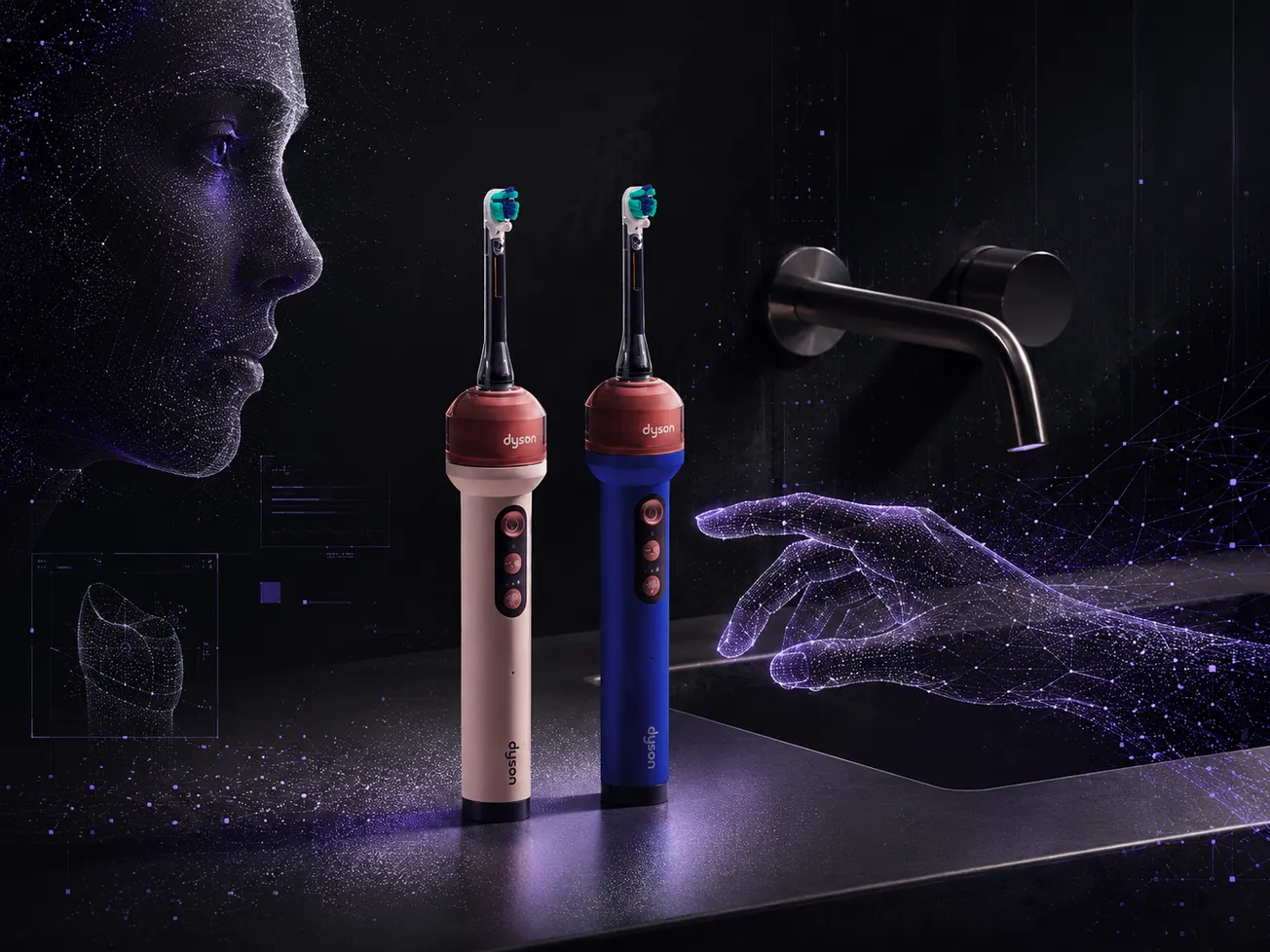
Dyson has launched the CameraJet, a $499 electric toothbrush that uses a built-in camera and machine-learning system to identify gaps between teeth and automatically fire a burst of mouthrinse while the user brushes.
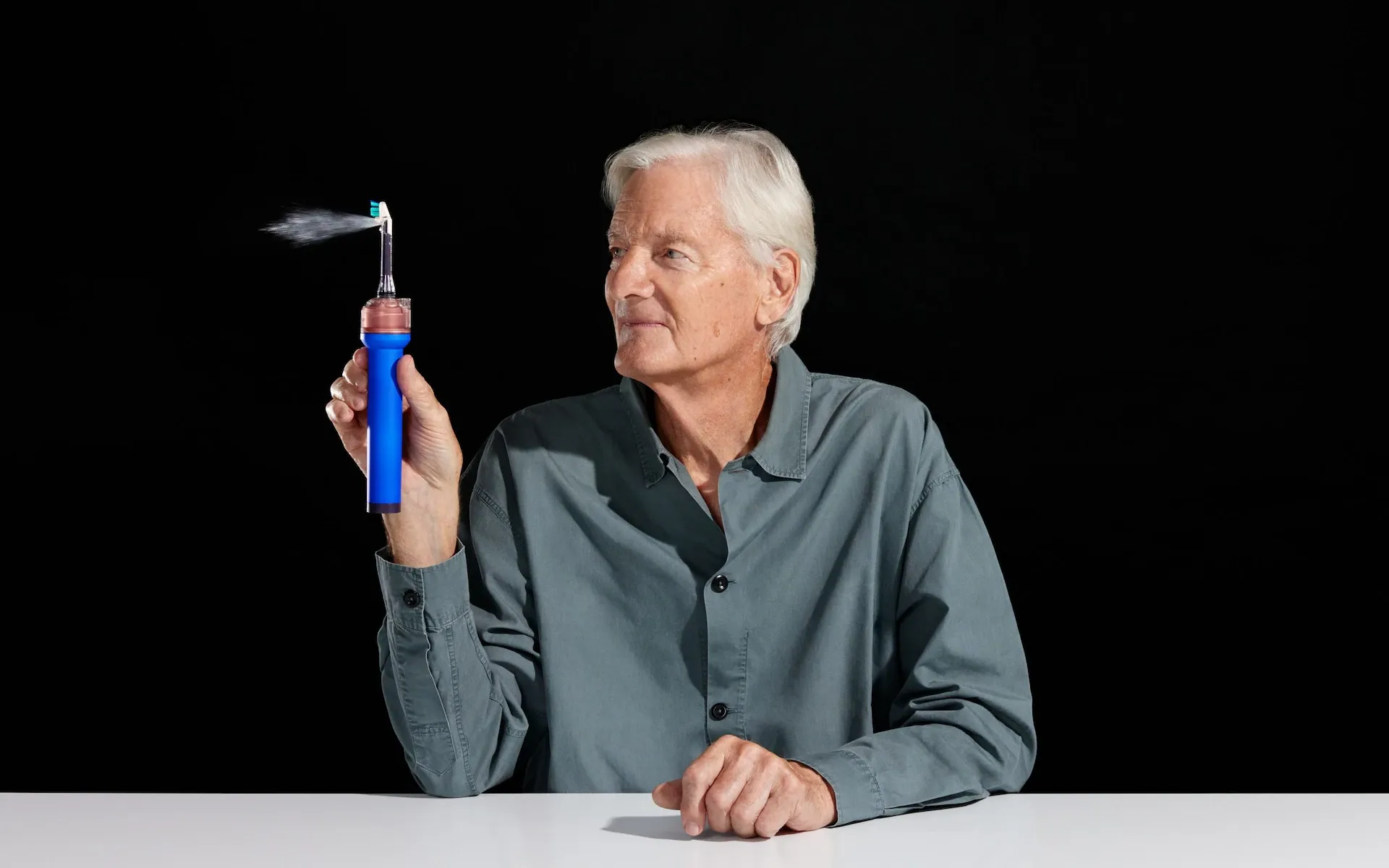
The company announced the device on Sept. 1 in Paris, positioning CameraJet as its first oral-care product and a new premium entry in the connected health and consumer AI hardware market. Founder and chief engineer James Dyson said the product was designed to address a common failure point in daily oral care, the missed interdental spaces where plaque often forms first.
Unlike a conventional electric toothbrush, CameraJet combines brushing, targeted liquid flossing, and mouth-rinsing in one device. A 100,000-pixel macro lens camera sits in the brush head, where Dyson's Gap Optical Targeting system analyzes live images to detect spaces between teeth in real time. When the system identifies a gap, it triggers a conical jet of mouthrinse designed to clean between teeth during the brushing session.
The device runs on 16 million lines of code.
CameraJet Launch Video
How CameraJet Uses AI to Target Gaps Between Teeth
CameraJet's core feature is Gap Optical Targeting, a machine-learning system trained on 470,000 dental images collected during product development. Dyson says the system analyzes 28 live images per second using a strobing light and can trigger a jet within 100 milliseconds of detecting an interdental gap.
The camera is also used for a live endoscope-style view in the MyDyson app, allowing users to see areas of the mouth that are normally difficult to inspect while brushing.
Dyson says images are not recorded, stored on the device, or sent to the cloud. The camera is active only during live viewing or automatic jetting, a notable privacy detail for a consumer product that places a camera inside the mouth.
The MyDyson app adds guided cleaning, coverage mapping, brushing and flossing insights, and personalized feedback. Users can choose automatic jetting or manual jetting and adjust brushing intensity. Dyson says the app is optional for basic use, though some features may vary by market.
A Toothbrush, Flosser, and Rinse System in One Device
The CameraJet is designed to replace several steps in a typical oral-care routine. The brush head uses a dual-bristle layout, with firmer inner bristles for surface stains and softer outer bristles along the gumline. Dyson's variable sonic oscillation changes the angle of movement while brushing, which the company says helps prevent bristles from stalling against the tooth surface. Reported speed reaches up to 58,000 oscillations per minute.
The flossing system uses a broader conical spray rather than the narrow "needle-type" jet used by many standalone water flossers. Dyson says the wider spray removes plaque over a larger area at lower pressure, making it gentler on gums and enamel while still targeting material between teeth.
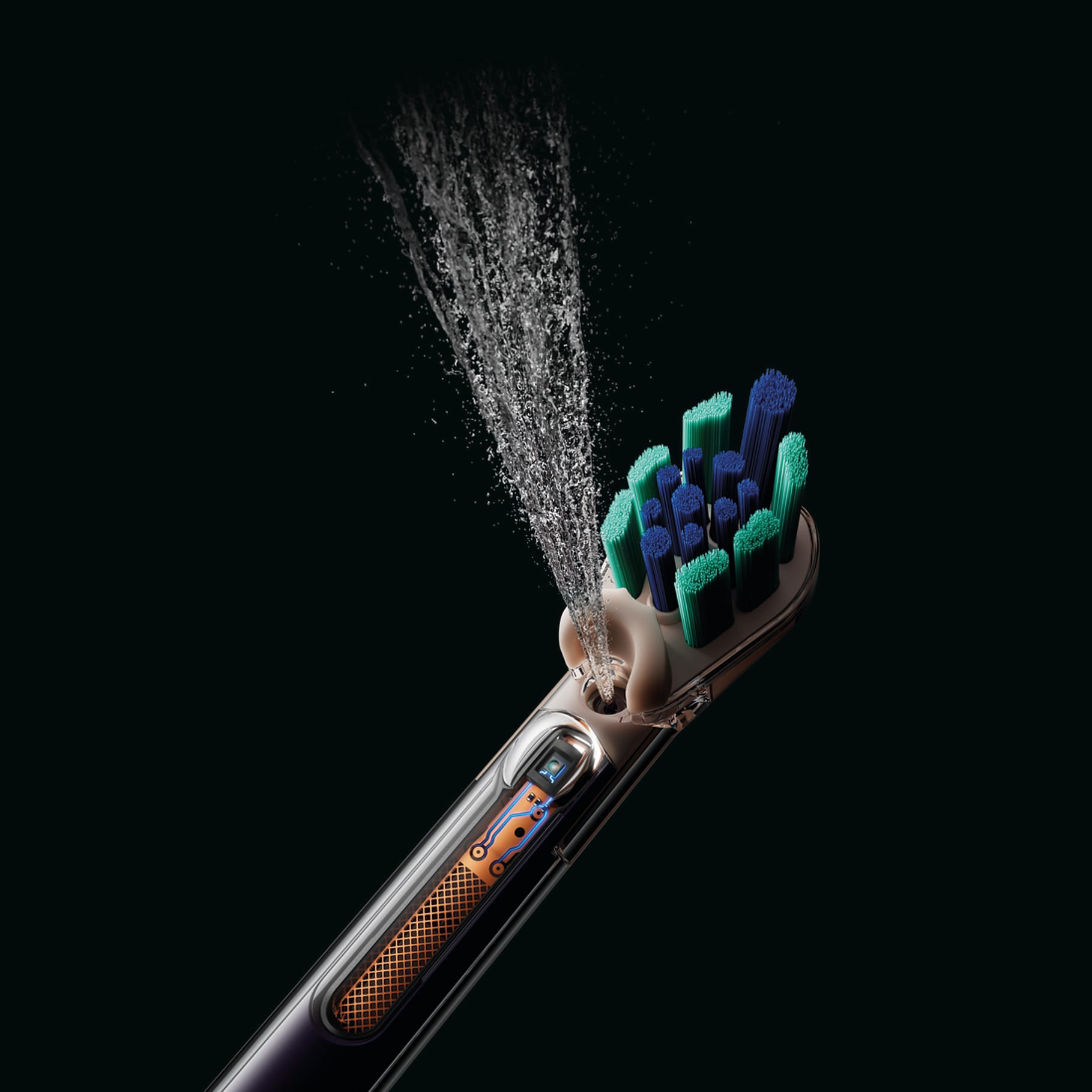
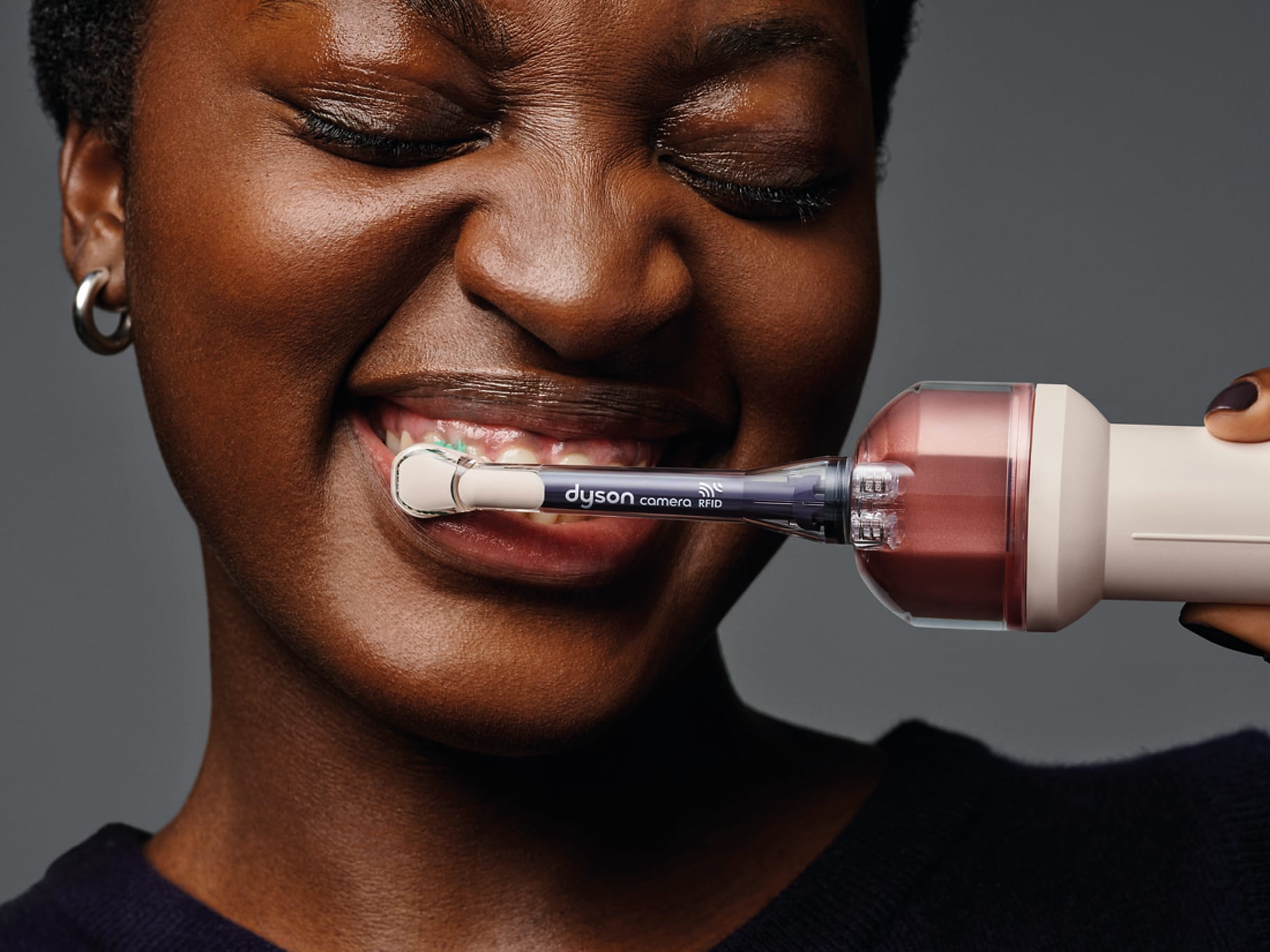
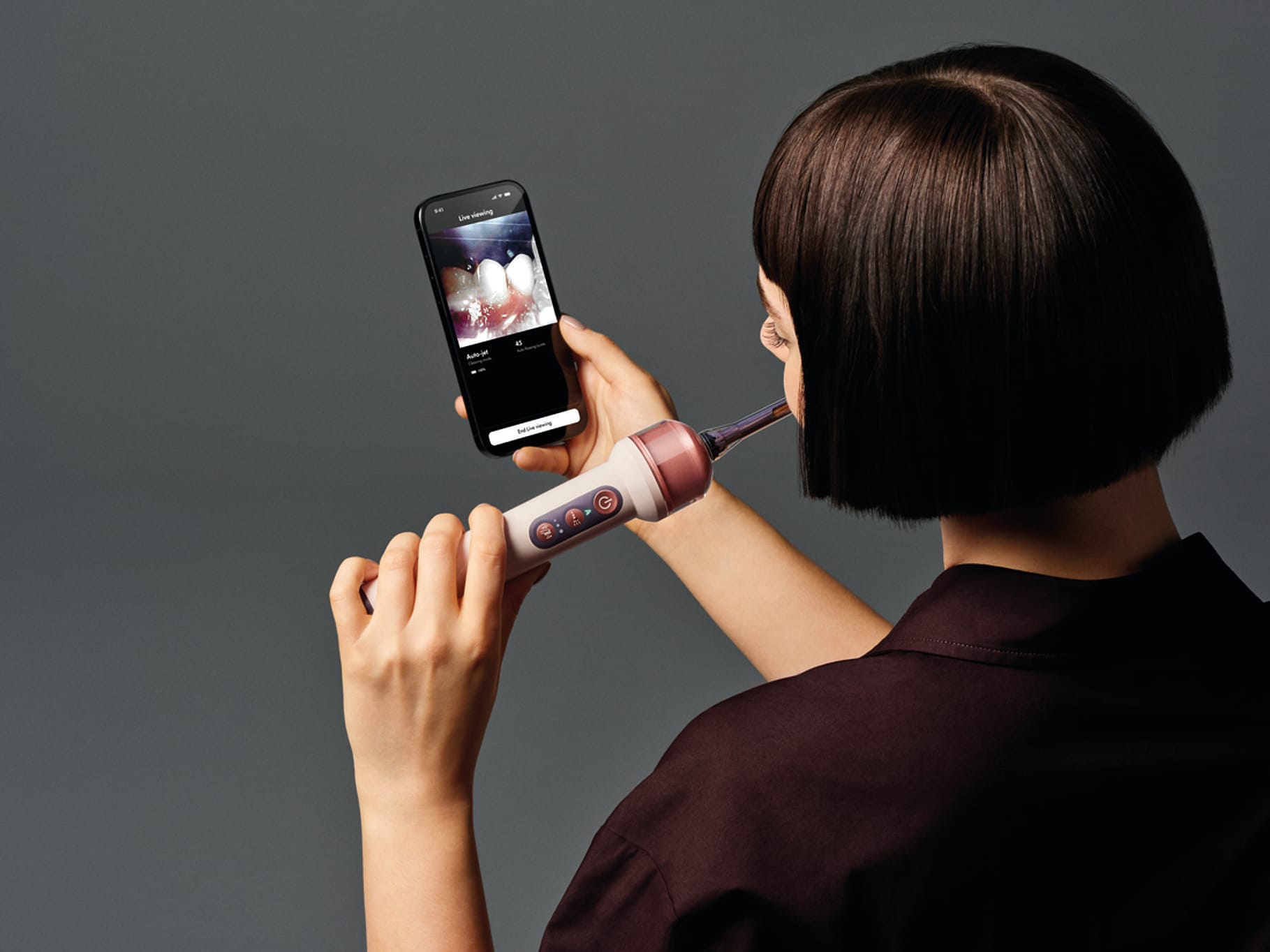
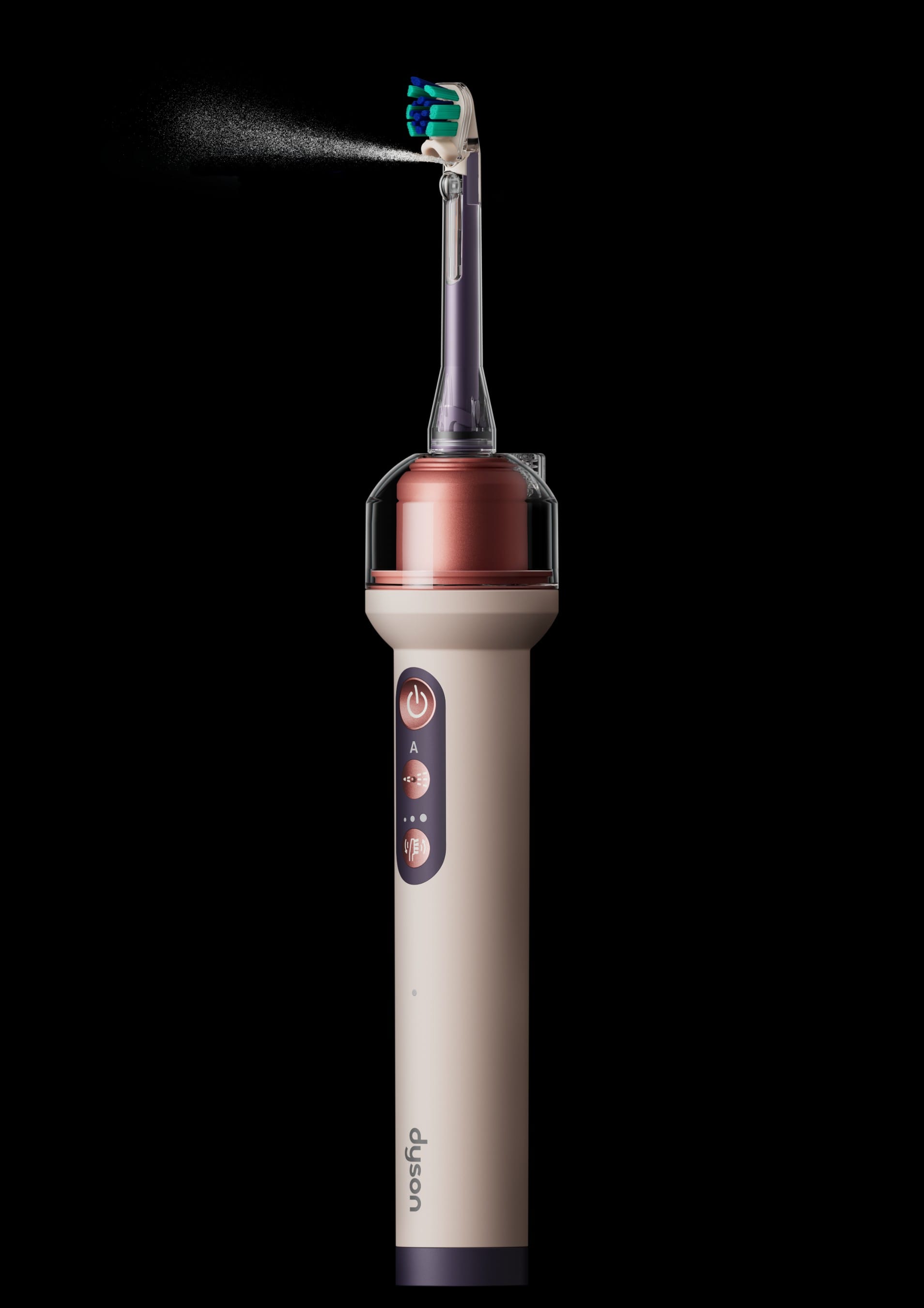
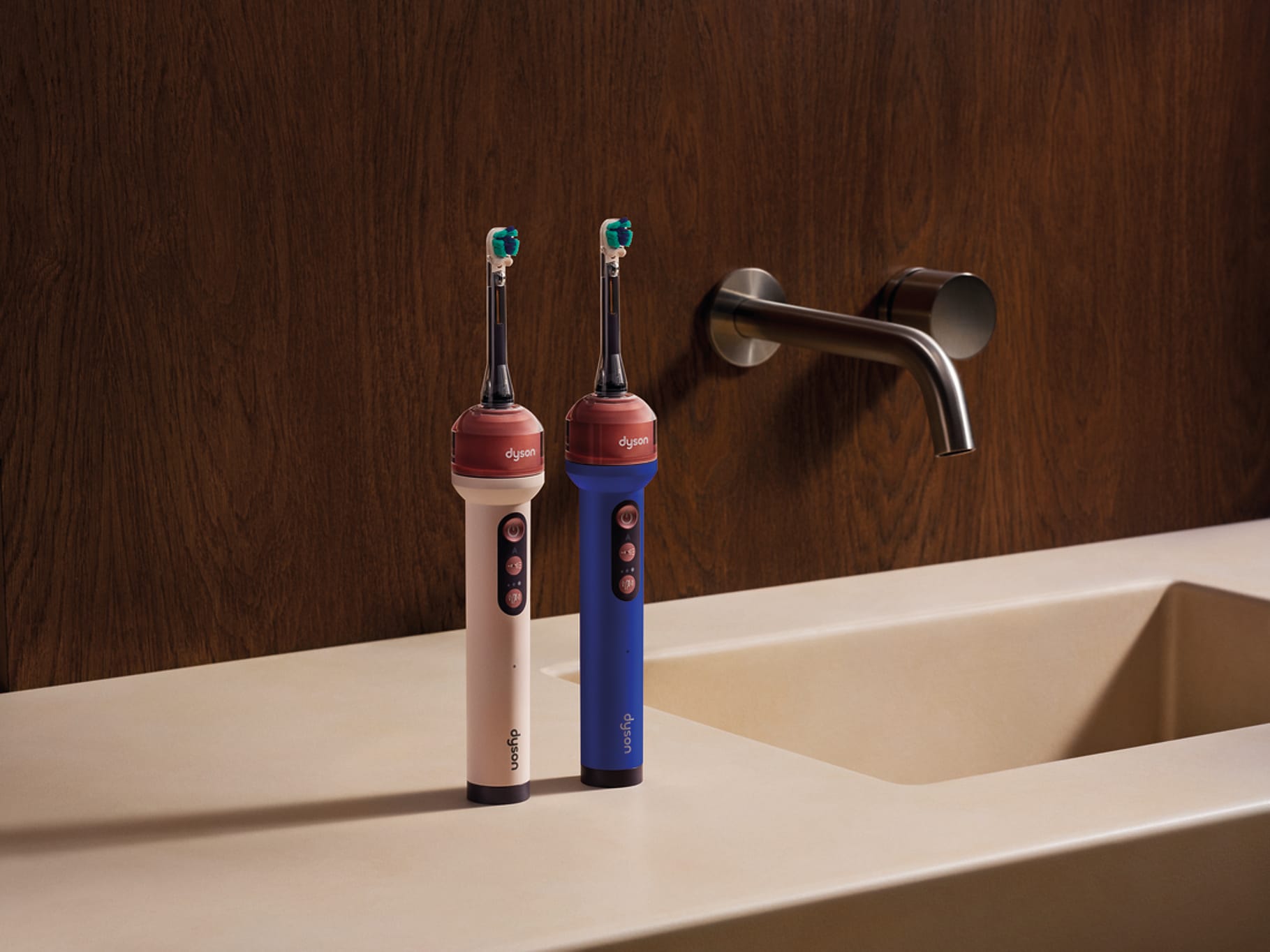
A 12.5 ml "anti-gravity" mouthrinse tank is built into the handle. The tank uses a diaphragm pump and pressure chamber to deliver liquid in different orientations, including when the toothbrush is held horizontally to reach the back of the mouth. The tank holds enough rinse for one full cleaning session without flooding the mouth.
The charging dock also acts as a refill station. Dyson says the dock can refill the rinse tank in about three seconds at the touch of a button, while also charging the handle between uses. The device supports Wi-Fi at 2.4 GHz and Bluetooth connectivity, and a travel case is included.
Additional Performance Claims
Dyson is making several additional performance claims around CameraJet:
- CameraJet removes up to 69% more plaque than market-leading premium electric toothbrushes in hard-to-reach areas when used in variable sonic mode.
- Some regional Dyson pages reportedly cite up to 72% more plaque removal than market-leading electric toothbrushes.
- The conical jet performed better than needle-type jets in internal proxy-plaque testing at lower pressure.
To support its development process, Dyson worked for five years with the National University of Singapore's Faculty of Dentistry on a "proxy plaque" material that allowed engineers to test jet designs more rapidly in the lab. The CameraJet itself is the result of six years of research and development, with reports citing 661 engineers and 38 patents.
Price, Availability, and Consumables
CameraJet launched through Dyson's website (preorders), demo stores, and selected retailers. In the United States, the device is priced at $499, while U.K. pricing is £419.99 and euro-market pricing is about €479. Reported regional prices include S$699 in Singapore, HK$4,290 in Hong Kong, and RMB 3,899 in mainland China, with availability timing varying by market.
 Dyson CameraJet™ electric toothbrush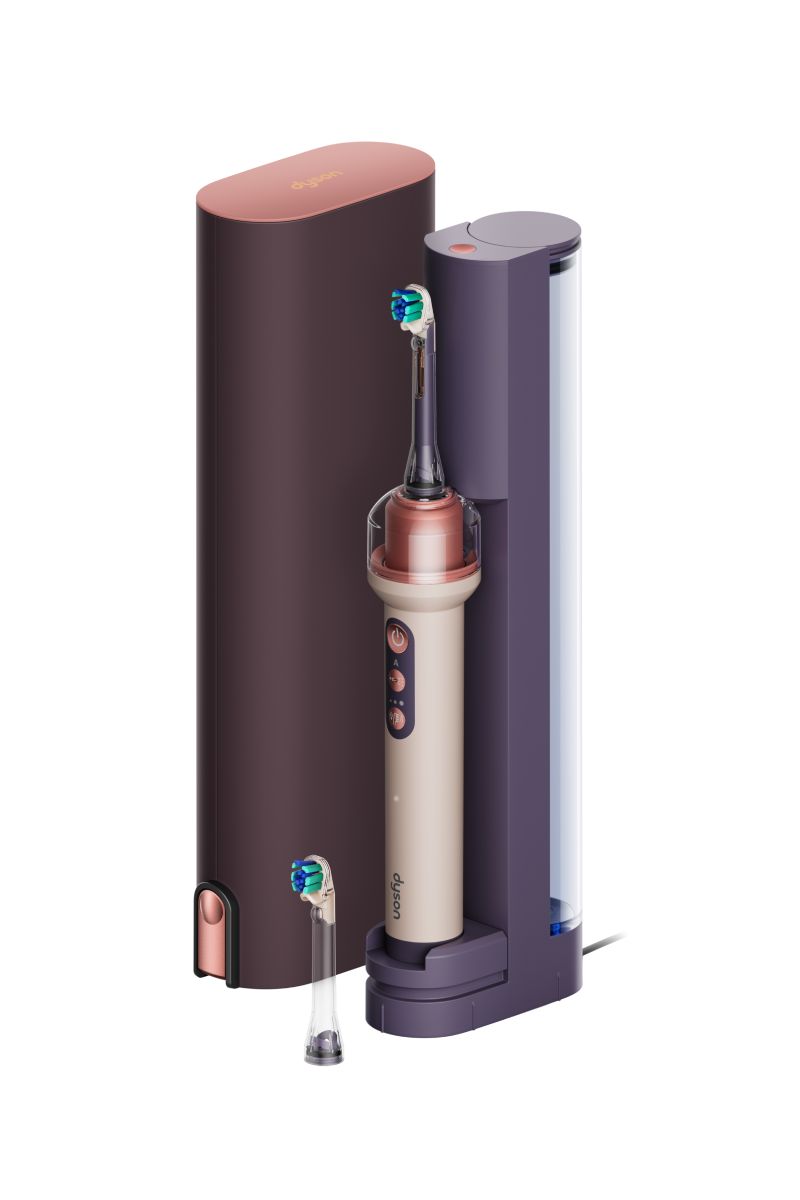
The device is offered in Ceramic Ultra Blue and Ceramic Pink. A typical box includes the CameraJet handle, refill and charging dock, two regular brush heads, a charging cable, and a travel case. Some markets include a starter kit with Dyson toothpaste and mouthrinse.
Dyson says the toothbrush works with regular toothpaste and mouthrinse, but recommends SLS-free, non-foaming or low-foaming formulas because foam can interfere with the camera. The company is also launching its own non-foaming toothpaste and low-foaming mouthrinse as part of a "Dyson Dental System," with subscription options planned for toothpaste, rinse, and replacement brush heads.
The brush heads include RFID tags that track usage and alert users when replacement is due, typically after about three months. Dyson also plans a sensitive brush-head variant.


