

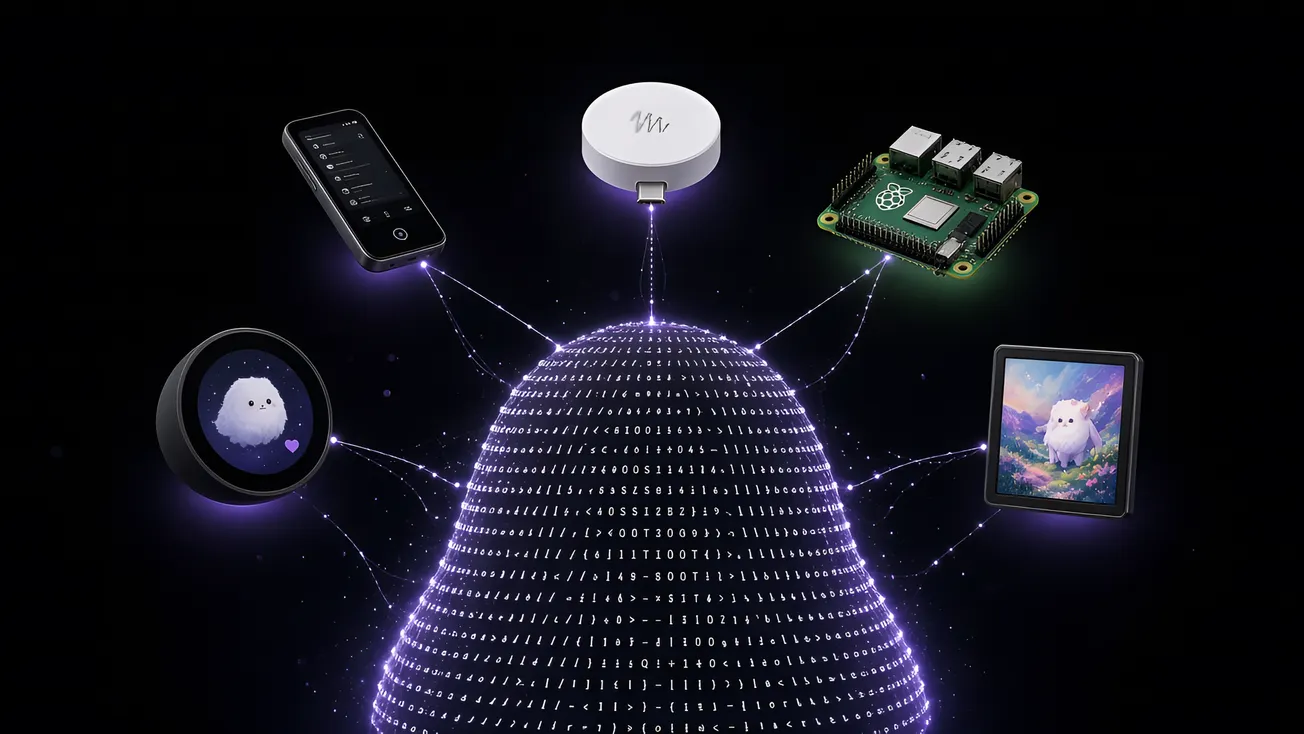
Meta Opens Muse Gadgets With Open-Source Hardware SDKs and Muse Home Link
Meta is opening Muse to DIY hardware with open-source ESP32 and Linux SDKs, while shipping a limited USB-C Home Link dongle for U.S. subscribers.
Meta is opening Muse to DIY hardware with open-source ESP32 and Linux SDKs, while shipping a limited USB-C Home Link dongle for U.S. subscribers.

The research preview combines real-time video, speech, and perception while Tavus works on safety controls before a wider release.

The rollout lets a user’s primary Bot surface work it can handle before being asked, with suggestions excluded from usage limits.

The model is rolling out first to trusted cyber defenders before a wider release to paid API customers and Google AI Ultra subscribers.

The new embeddings family pairs a max-quality Pro model with a lower-cost Fast model in one shared embedding space for enterprise RAG, search, and agentic retrieval.
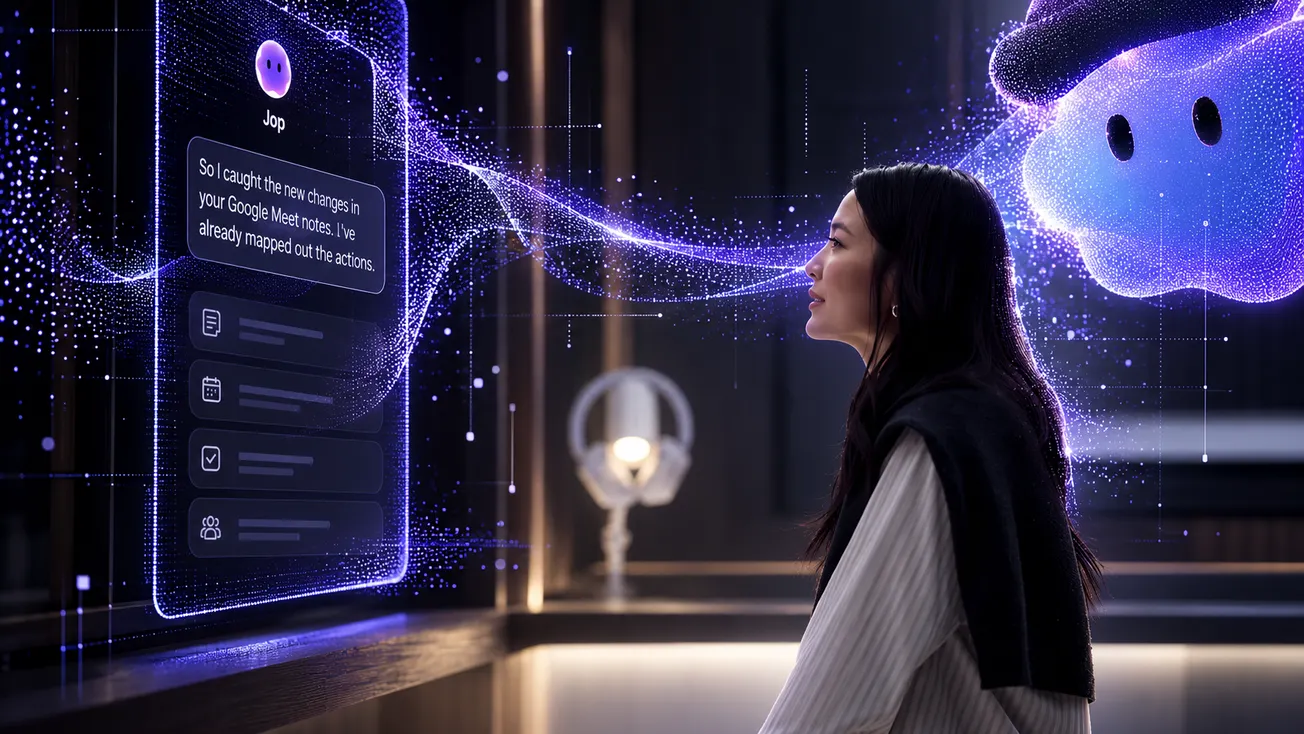
OpenAI’s dots are named agents with their own cloud computer, cross-app memory, and approval controls for work across ChatGPT, Slack, Teams, and thousands of connected apps.
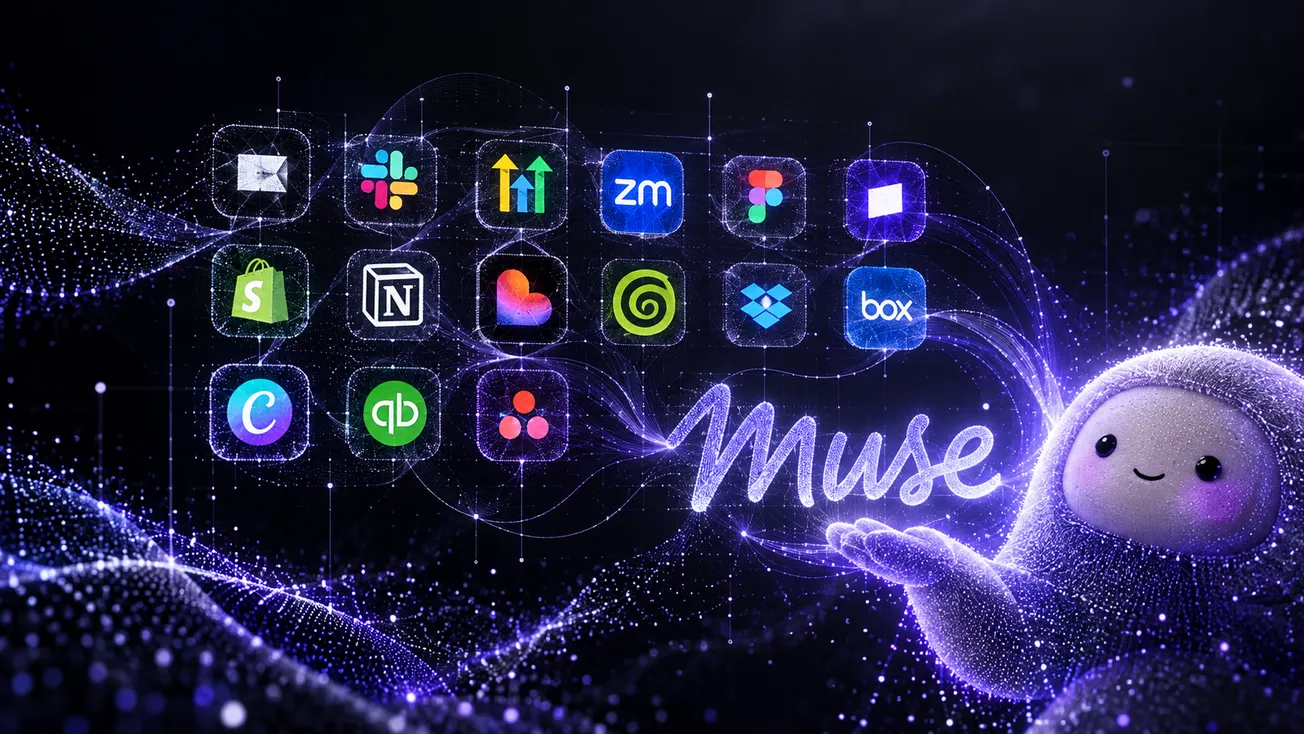
Meta is adding business-focused skills and connectors to Muse, letting owners set goals, link the tools they already use, and approve actions before anything publishes, sends, or spends.
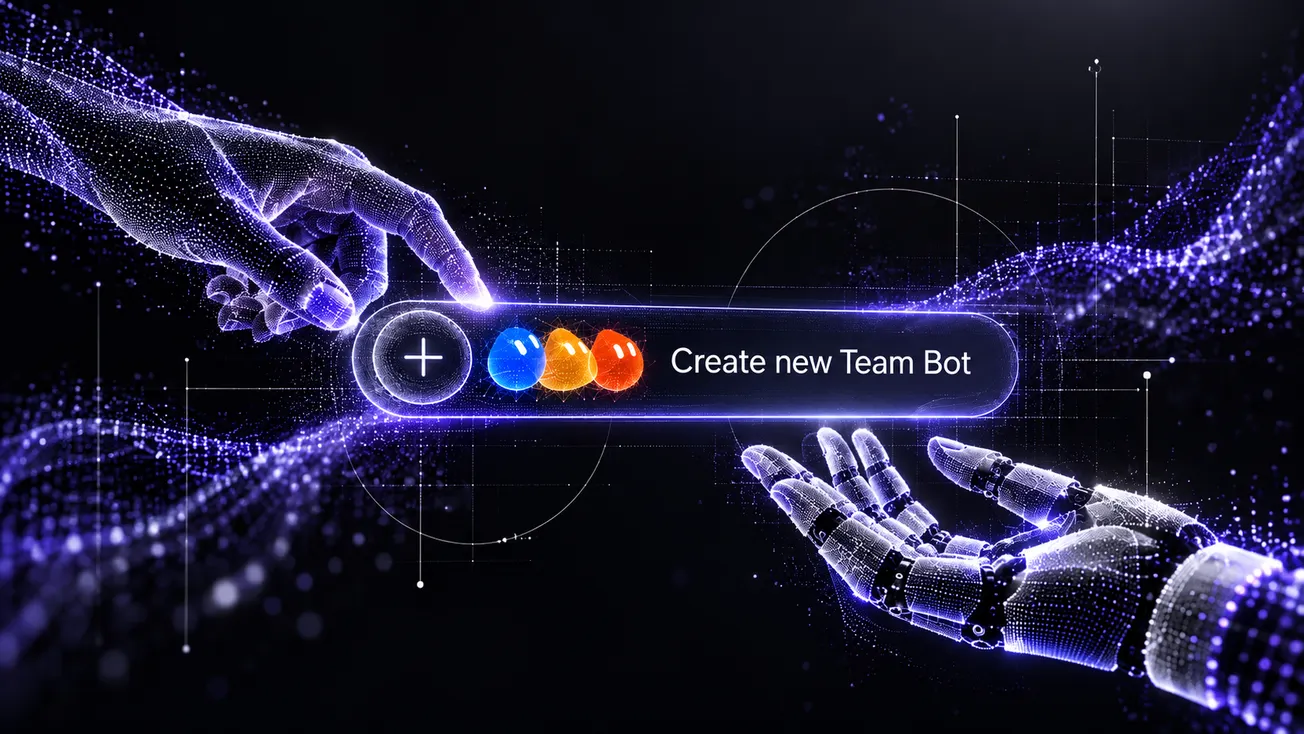
The public beta lets teams build shared Grok Bots with common context, app access, credentials, and memory while keeping individual conversations private.
IOTA aims to let anyone operate a decentralized data center and train frontier-scale models with up to 10 trillion parameters at up to 3x lower cost than centralized labs.

Zuckerberg calls the enterprise push Meta's next major business pillar and says the company will bring Muse, Meta Business Agent, Muse API, and Muse Code to businesses and developers.
The platform pairs OpenShell sandboxing with BlueField-4-based Sentry monitoring as NVIDIA tries to make agent safety an infrastructure layer.

CEO Jill Kenney said the marketplace now sells ready-made and custom agents on a subscription, with SN121 challenges feeding skills into the commercial product.
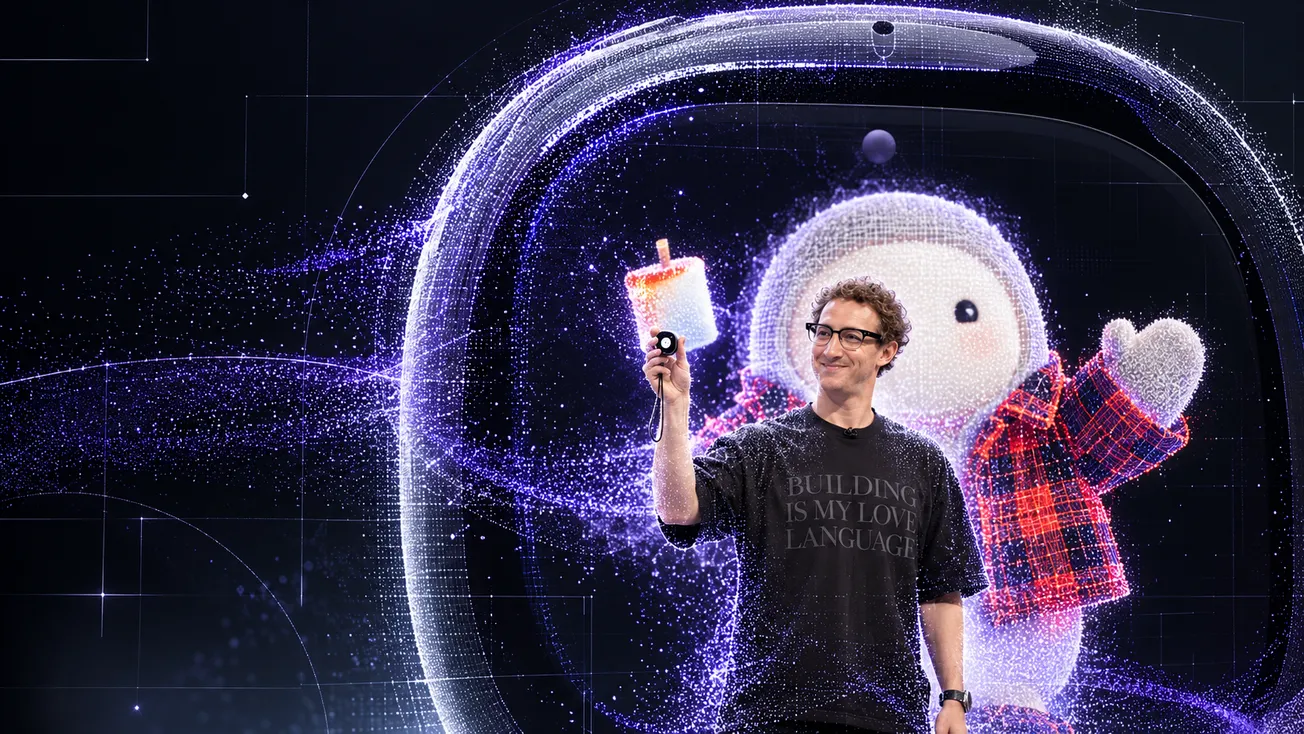
Fifteen days after launch, Meta used Connect to push its personal AI agent into voice, video, Mac control, shopping connectors, AI glasses, and a pocket device.
The new Bot Screen feature lets operators watch remote Hermes agents work, take control for sensitive steps, and return the same session to the bot.

Learn what a System One model is, how it differs from traditional LLMs and reasoning models, and why fast, structured AI decisions matter for automation.
Sensor Tower data shows Meta’s new personal AI agent ahead of ChatGPT’s early mobile app trajectory across downloads and daily active users.