

Table of Contents
Figure founder Brett Adcock said the company’s Index data platform has crossed 86,000 weekly active users uploading data, a new activity milestone for the robotics company’s effort to build a large-scale real-world training dataset for humanoid robots.
Adcock shared the update in a September 11 post on X, saying Figure is building “the largest and most diverse robotics dataset in the world.”
The update follows Figure’s August launch of Index, a creator network and mobile app designed to collect real-world task data from homes, workplaces, and other environments that are difficult to reproduce in controlled robotics labs.
 Bart Hillerich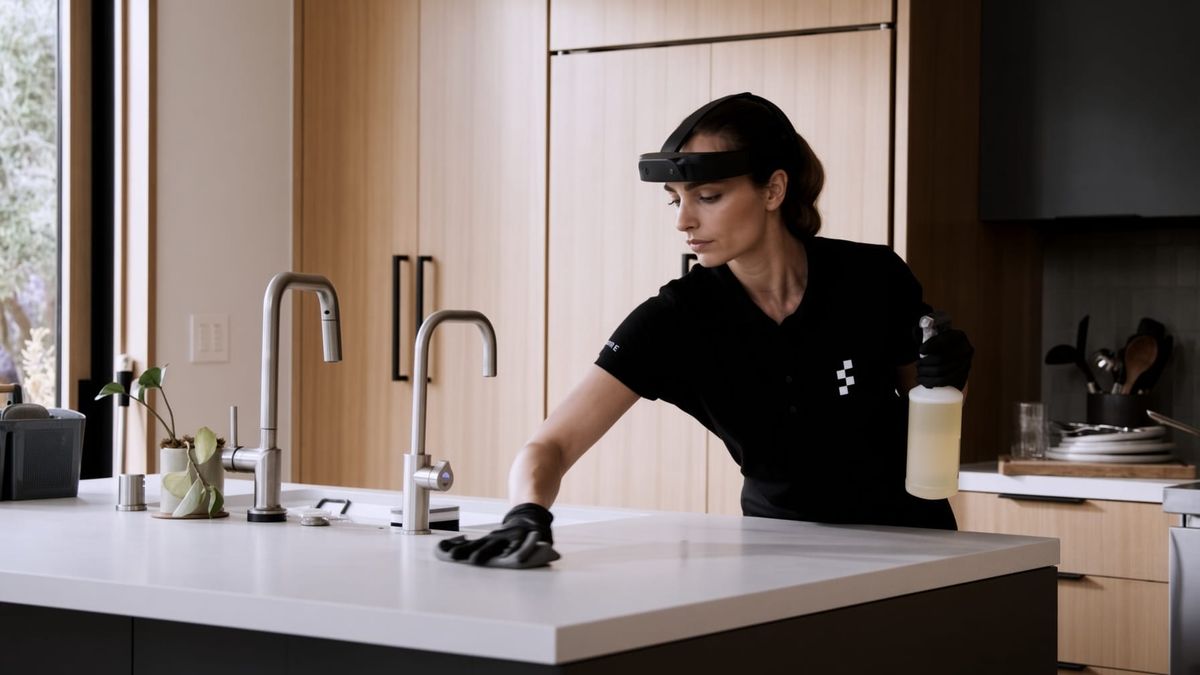
Index is Figure’s attempt to solve one of the central bottlenecks in robotics: general-purpose robots need large volumes of diverse physical-world data, but that data is not available at internet scale in the same way text, images, and videos were for earlier AI systems.
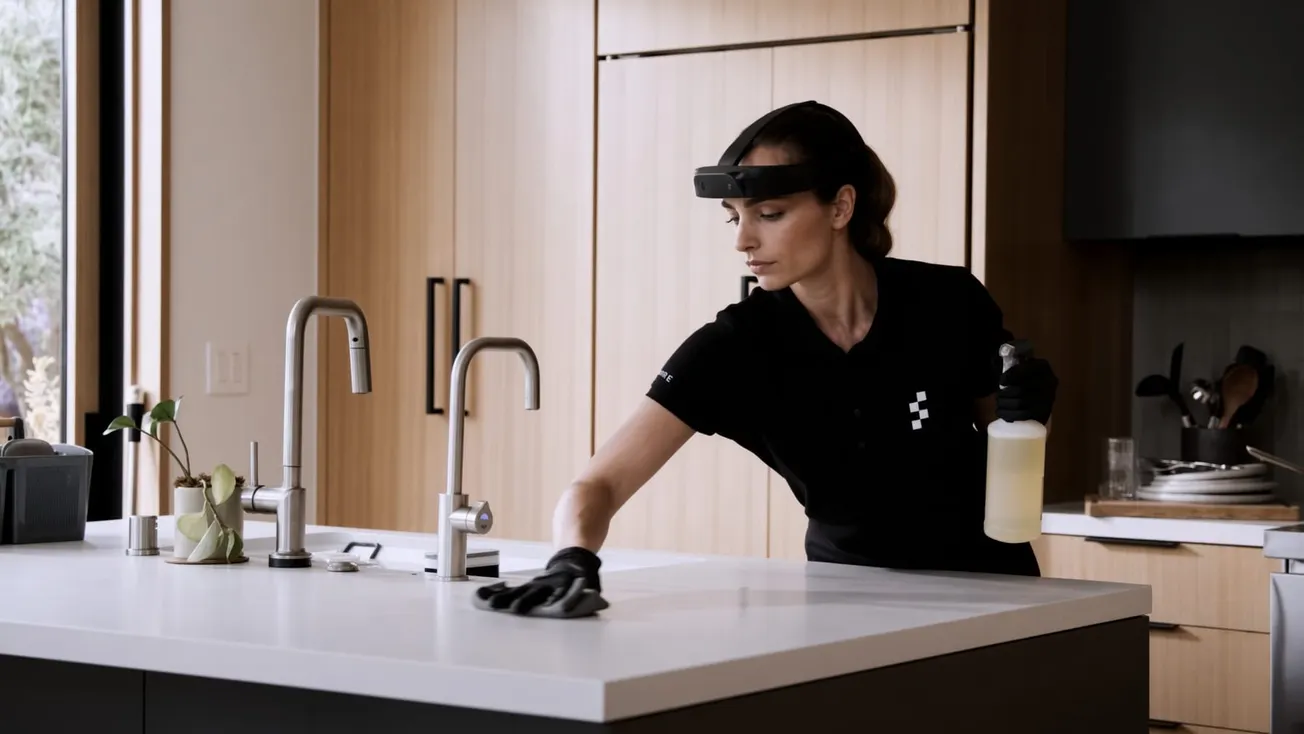
LLMs could be trained on existing digital material. Robots need data about motion, objects, force, spatial constraints, human routines, and task variation. A robot folding laundry, loading shelves, cleaning a kitchen, or handling packages must deal with different lighting, layouts, object shapes, and user expectations. Figure’s view is that this long-tail variation has to be captured from the real world.
Index Launch Video
Index approaches this problem through human contributors. Users can download the app, record daily tasks, and get paid by the minute for usable data. Figure also offers an on-demand service where skilled creators can come to homes or businesses to complete tasks while capturing data.
The platform supports both household activities and commercial environments, including logistics, restaurants, factories, and offices.