
Table of Contents
Figure has unveiled Index, a real-world data collection platform designed to supply its humanoid robots with the large and diverse training datasets needed to operate across homes, workplaces, and other unpredictable environments.
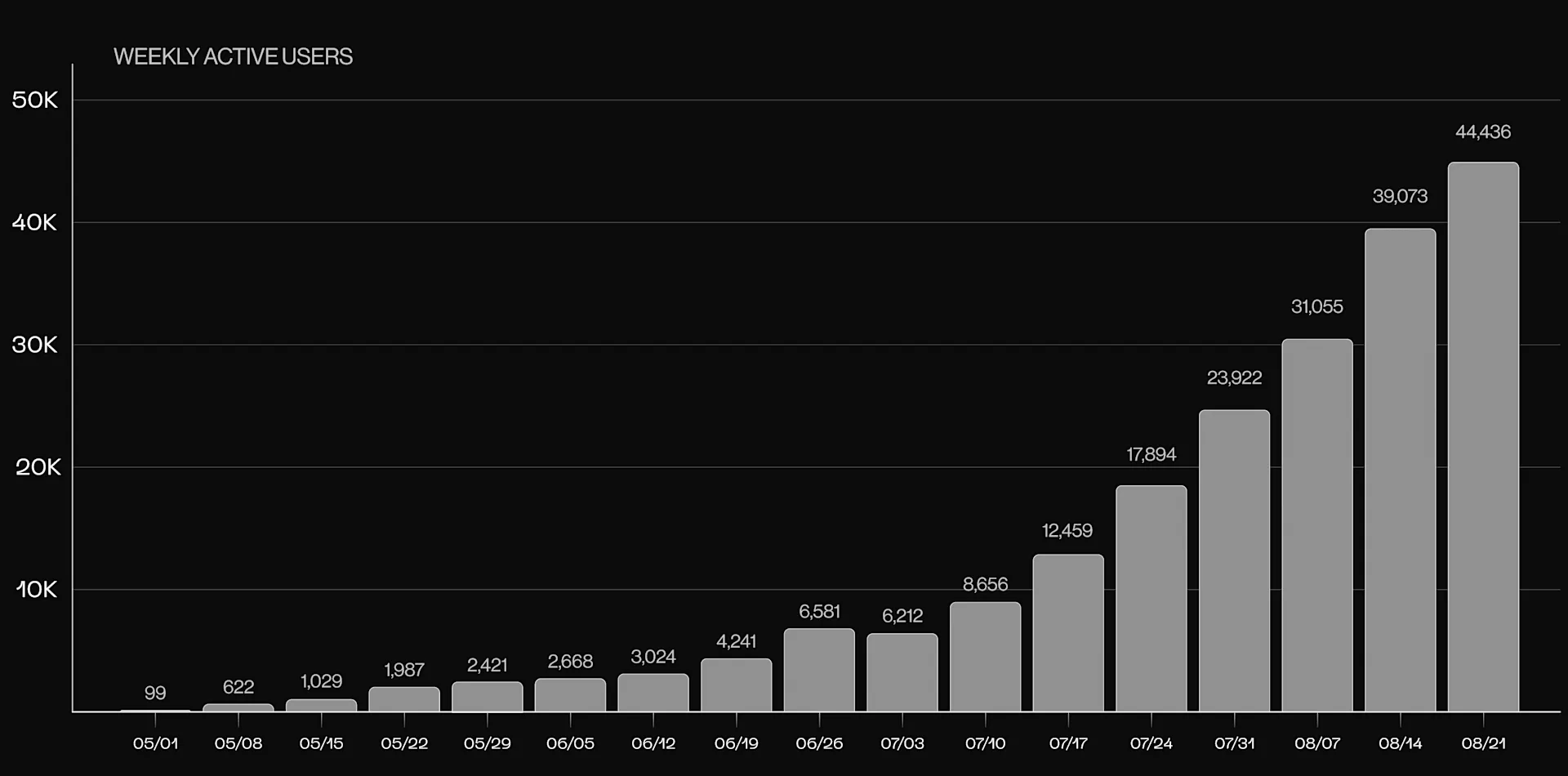
The robotics company launched Index after operating the platform in stealth for four months. During that period, the app surpassed 264,000 downloads across 108 countries, attracted more than 44,000 weekly active users, and collected more than 16 million uploaded videos. Figure says the platform is now processing around 30 minutes of new video every second, equivalent to 4.9 years of human activity being uploaded each day.
Index Launch Video
The premise behind Index is that the data required to build general-purpose robots cannot simply be scraped from the existing internet in the same way text and image models have been trained.
“The data needed to scale a truly general purpose robot doesn't exist on the internet - it has to come from the real world.”
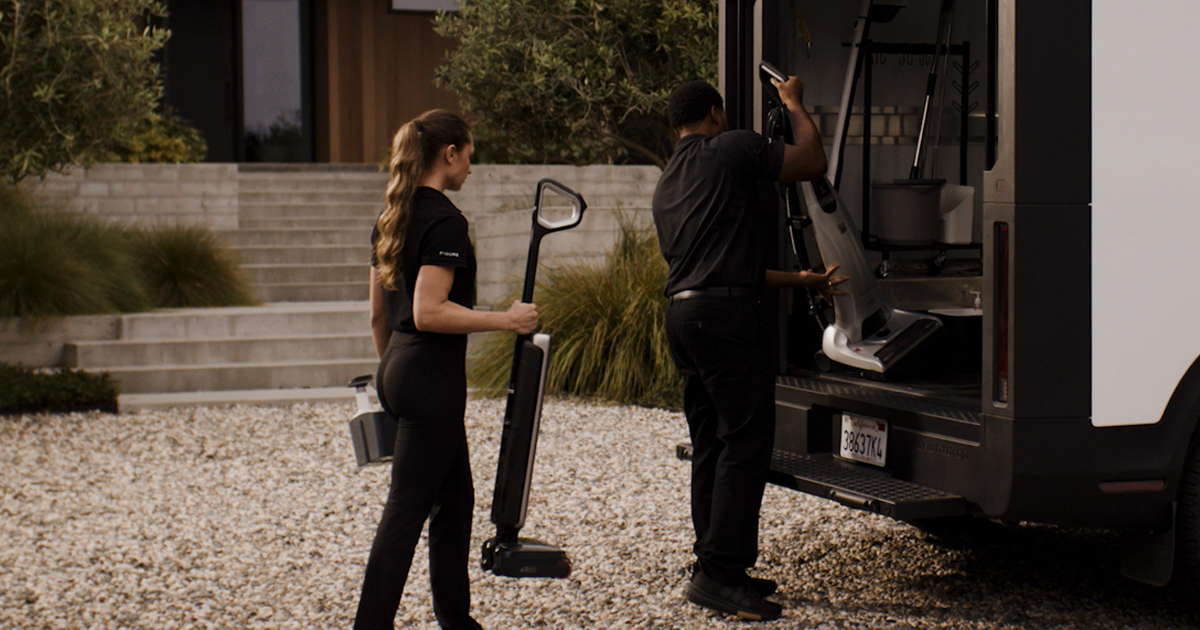
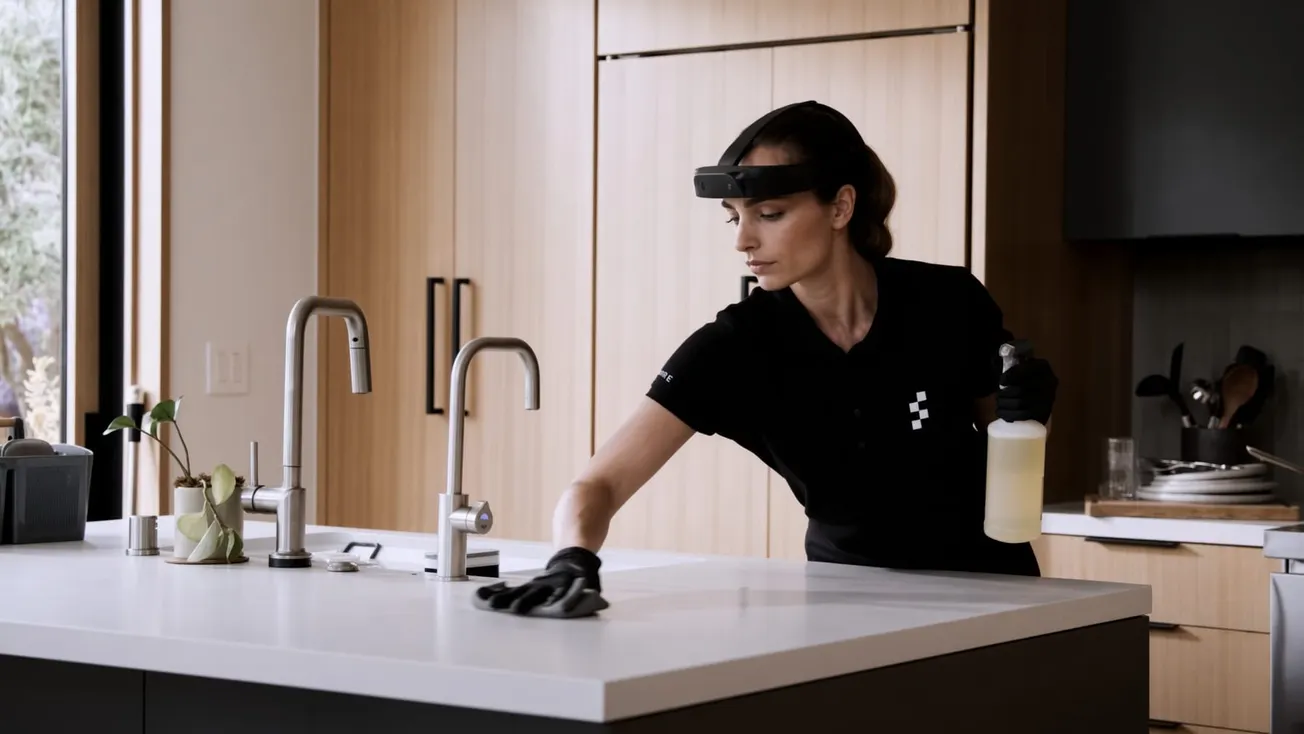
Instead, Figure is building a network of human contributors, which it calls Creators, who record themselves performing real-world tasks. The resulting footage covers everyday activities including cooking, cleaning and laundry, alongside work performed in logistics centers, restaurants, factories and offices.
Figure says contributors have already been paid $15 million for supplying data to the platform.
The diversity of the data is central to Figure's approach. For every 1,000 hours collected, the company says Index currently contains an average of 373 unique tasks, 1,146 manipulated objects and 116 environments. Each new contributor can expose Figure's AI models to different homes, objects, workflows and ways of completing the same task, helping capture the long-tail variation robots will encounter outside controlled training environments.
Figure built its own collection system after determining that external data vendors could not provide the throughput, quality or diversity required by Helix, its Vision-Language-Action model for humanoid control. Uploaded data passes through filtering, fraud review, deduplication, rebalancing and annotation before being incorporated into the broader training pipeline.
Index expands on Figure's earlier efforts to train Helix using human-generated video. In 2025, the company introduced Project Go-Big, an initiative centered on large-scale humanoid pretraining and transferring behaviors learned from egocentric human video directly to robots. Figure argued at the time that robotics lacked an equivalent to the massive datasets that helped drive advances in language and computer vision.
The company now plans to accelerate that approach substantially. Figure says it is targeting a 100x increase in its data operation and has committed to spending more than $1 billion on data and compute over the next 12 months.
Read their full announcement: