Table of Contents
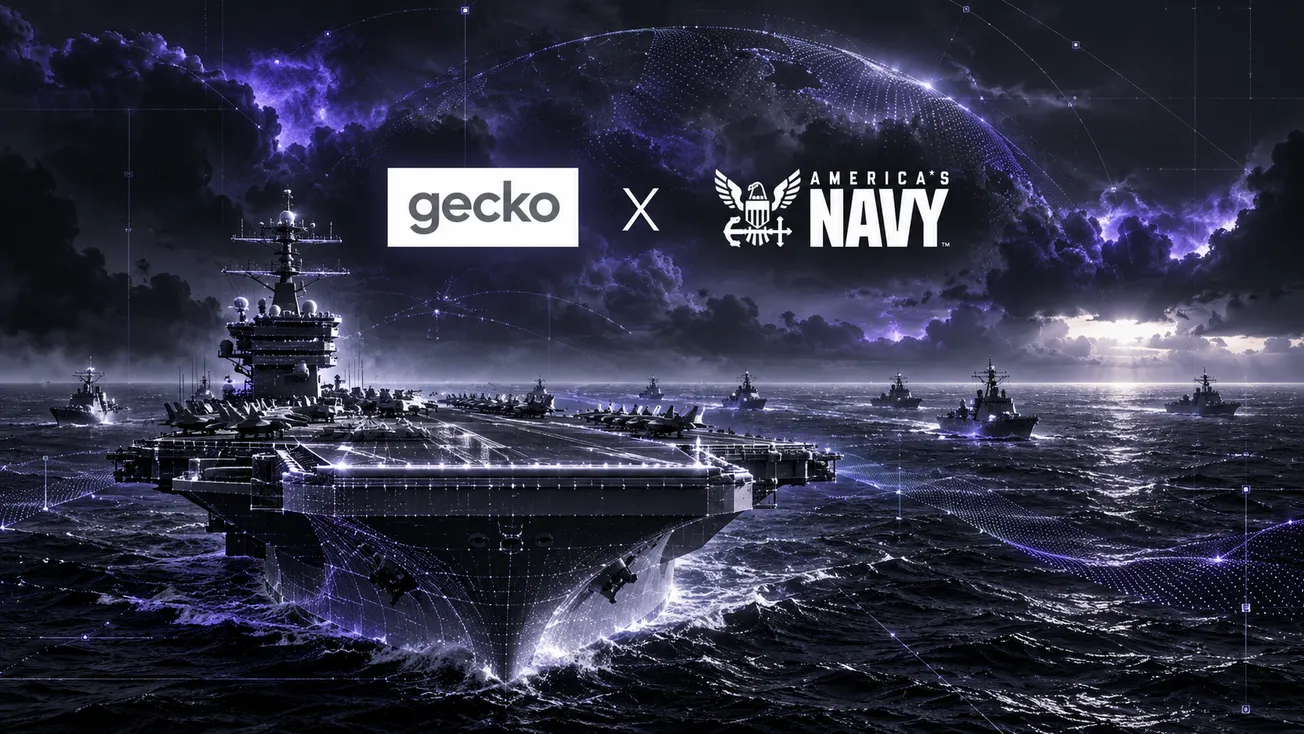
Gecko Robotics’ U.S. Navy inspection contract now has a $300 million ceiling, up from $71 million, expanding the purchasing capacity available for robotic assessments of ships and submarines. The Navy and General Services Administration raised the limit to support wider deployment of Gecko’s technology, which combines structural measurements with software to help maintenance teams identify and prioritize repairs.
The new ceiling is more than four times the original limit. It increases the amount of work that can be ordered under the contract, rather than representing $300 million in committed spending or booked revenue.
Komodo, Gecko’s deck-inspection robot, is central to the expansion. It measures the steel beneath thick non-skid coatings without removing them, allowing repair teams to locate corrosion and prepare work before a vessel enters drydock.
More Capacity for Ship Inspections
The agreement is an indefinite-delivery, indefinite-quantity contract, or IDIQ, a purchasing framework under which government customers place orders as requirements arise. Gecko’s original five-year agreement, announced in March, began with planned work on 18 Pacific Fleet ships and an initial award worth up to $54 million over five years.
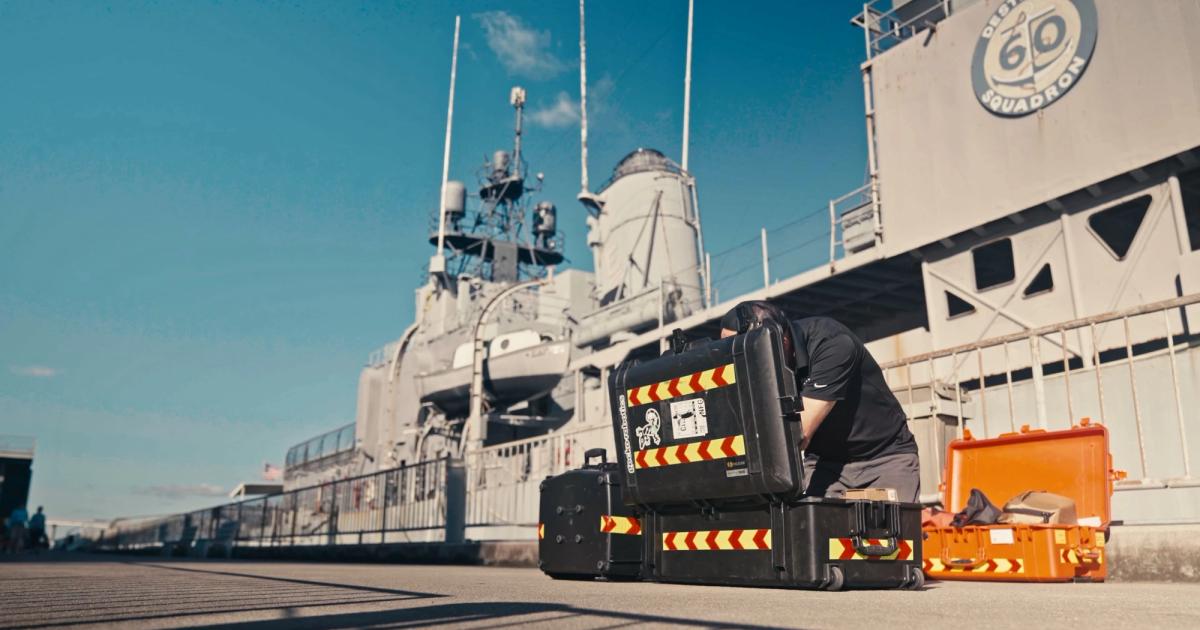
Komodo is available government-wide to customers across the military services. Its surface-vessel work includes deployments alongside port engineers, Navy leadership, and ships’ crews, with inspection results feeding maintenance work packages, the defined sets of repairs scheduled during a ship’s maintenance period.
The expansion comes as the Navy pursues an 80% fleet-readiness target. Gecko’s contribution centers on the condition information needed to plan maintenance, such as where steel has thinned, which areas require repair, and what work can be scoped before a vessel becomes unavailable for operations.
In its contract-expansion announcement, Gecko says its technology can save up to $8 million in repair costs per ship, identify structural issues up to 50 times faster than traditional methods, and reduce inspections from months to days.
How Komodo Looks Beneath Deck Coatings
Ship decks present a measurement problem. Protective, non-skid coatings sit between an inspection instrument and the underlying steel. Removing those coatings adds preparation and restoration work to an inspection.
Komodo uses electromagnetic acoustic transduction, or EMAT, to generate ultrasonic waves directly in the steel. Gecko’s surface-vessel inspection system can therefore measure through thick or uneven coatings without grinding them away or applying couplant, the material ordinarily used to transmit sound between an ultrasonic probe and a surface.
The crawler produces a full-deck heatmap showing corrosion and material thickness. That spatial view lets maintainers locate damaged areas rather than infer the condition of a large structure from scattered spot measurements. The through-coating approach enables repair planning before drydock that previously had to wait until maintenance was underway.
Other inspection tools cover different surfaces and access conditions. Gecko’s magnetic TOKA climbing robots collect dense ultrasonic thickness readings on hulls, tanks, and other steel structures. Aerial platforms capture images and three-dimensional measurements in difficult-to-reach spaces. Across its Navy work, Gecko also uses fixed sensors to collect asset-condition data.