
Table of Contents
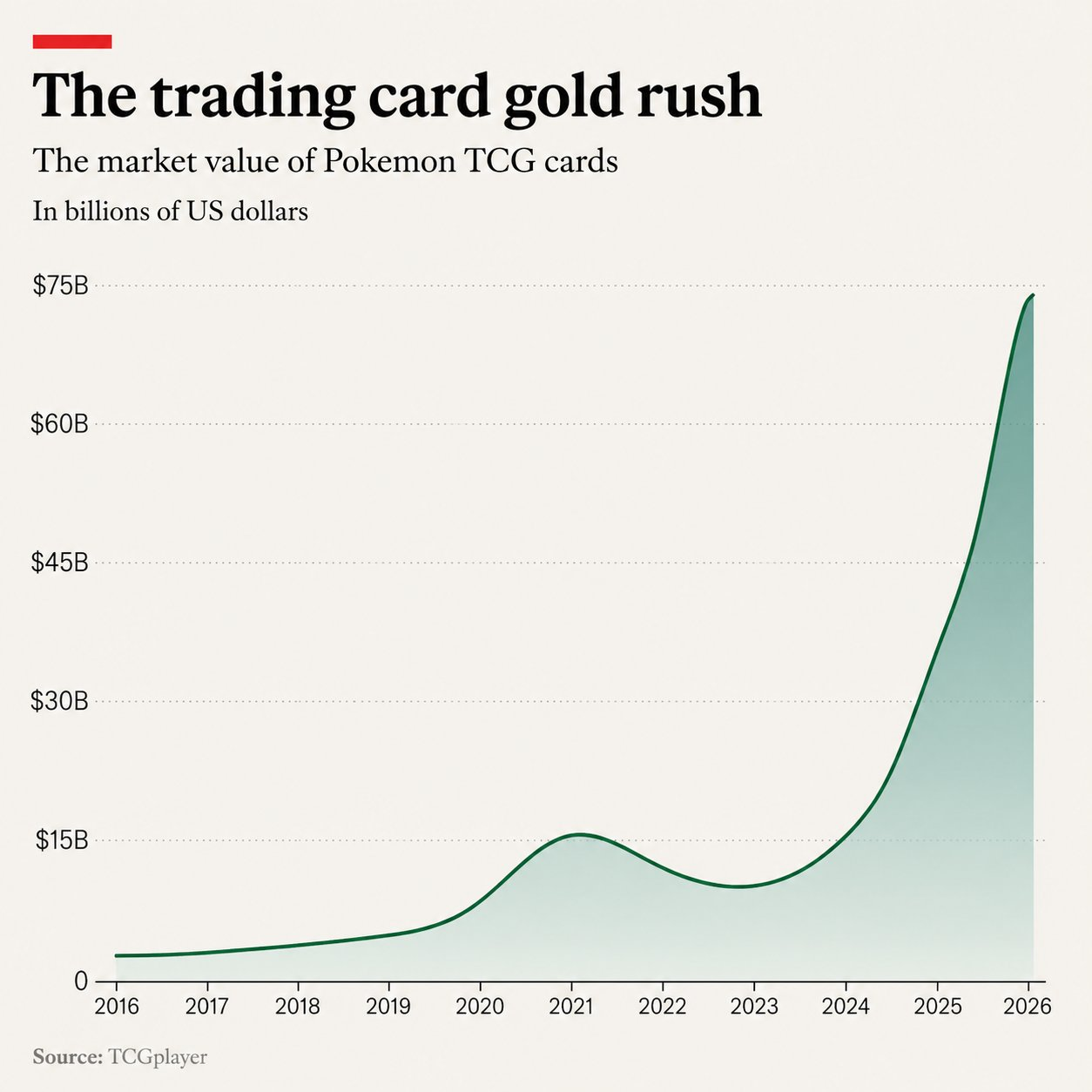
Pokémon cards have exploded in popularity over the past year, turning the collectibles into a global market where a small difference in condition can mean a major difference in value.
But grading those cards still depends largely on trained professionals examining every scratch, edge, corner, and alignment issue by hand (without transparent insight into the process, of course). What if there were a faster and more scalable way to make those judgments?
That is the problem Score is preparing to tackle on Bittensor.
On Monday, July 27, Score will launch a new private track on subnet 44 that turns professional trading card grading into an open AI competition. Miners will receive front-and-back images of Pokémon and other trading cards and attempt to predict their condition according to the ACE Grading standard.
Models will be asked to produce five separate scores:
- Surface condition
- Corner condition
- Edge condition
- Centering
- Overall card grade
Each prediction will be evaluated independently against grades assigned by professional graders, rewarding models that can consistently identify the subtle physical imperfections that determine a card’s condition and value.
The initial dataset will predominantly consist of Pokémon cards, although Score said challenges will also include cards from other trading card games. That variation is intended to reward models that learn broadly applicable visual grading skills rather than simply memorizing one card format.
“Models that generalise win,” Score said in its announcement.
Teaching AI to Detect Physical Imperfections
Trading card grading will require models to identify subtle physical defects that can materially affect a card’s value, including scratches, print lines, stains, dents, whitening, chipped edges, corner wear, and alignment issues across both sides of a card. The model must then translate those observations into ACE-aligned subgrades and an overall numerical grade.
Sound like a tall order? Yeah, we think so too, especially considering how, even to the human eye at times, card imperfections can be nearly invisible. But, for a market so large (now worth $75 billion), cracking the code here could mean huge demand for Score.
How the SN44 Track Will Work
In the competition itself, surface, corners, and edges will each represent 25% of a miner’s final challenge score. Centering will account for 10%, while the overall card grade will represent the remaining 15%. Each category will be scored separately according to how close the miner’s prediction is to the verified ACE reference value.
That design means a model will not be able to compensate for a poor surface assessment simply by correctly predicting the overall grade. It must demonstrate consistent performance across each element of the card’s condition.
The final scoring formula is:
25% surface
25% edges
25% corners
10% centering
15% overall grade
Score said the final distance curve and numerical tolerances used to evaluate predictions will be published alongside the validator contract.
For each challenge, the validator will send the miner a URL for one PNG containing the front and back of a card side by side. The miner must download the image, process both views, and return the four condition subgrades and final card grade through a FastAPI endpoint.
All five values must be included in every response. Missing or invalid fields will not be able to earn their assigned portion of the challenge score.
The validator may also pull a miner’s submitted Docker image and run spot checks to confirm that the deployed image uses the same model and produces the same response format as the live endpoint.
Score has released a starter pack containing six example cards, including Charizard, Mewtwo, Ampharos, Erika’s Clefable, and two Pikachu cards. Each sample includes its image and professional ground-truth grading record.
The examples range from a perfect grade of 10 to a heavily worn card graded at 1, giving miners an initial look at the range of defects their models will need to interpret when the track goes live.
A Client-Driven Expansion for Score
The upcoming track also offers a clearer picture of how Score actually decides which AI tasks to introduce on SN44.
When asked whether new challenges are launched in response to broad market interest or direct customer demand, the team said the card grading task originated with a paying customer.
“A client reached out and will pay for it,” Score said. “Same for youth football games, or cricket. Other tasks were critical for Manako to get off the ground.”
More Than Pokémon Cards
Although the initial dataset will be centered on collectible cards, the underlying challenge is much broader.
Card grading is ultimately a form of visual inspection. A successful model must look at images of a physical object, identify small imperfections, apply a consistent condition framework, and produce a measurable judgment.
That same capability could eventually be applied to other collectibles, retail products, equipment, insurance claims, property damage, manufacturing quality control, and other markets where condition must be assessed from images.
When questioned about how card grading aligns with Score’s broader north star, the team pointed to the wide range of applications that can emerge from stronger visual models.
“Vision intelligence can be used for an infinite variety of use cases,” Score said.
Trading cards offer a useful starting point because they have structured grading standards, professionally verified labels, visible defects, and clear financial consequences attached to condition. These characteristics make them well suited for measuring whether AI models can replicate an assessment process that has traditionally depended on trained human graders.
On Monday, miners will begin grading trading cards. The larger opportunity is building vision systems that can inspect almost anything.