
Hark Launches Hark Pro as AI Personal Operating System for Web and Mobile
Hark Pro combines a memory layer, computer-use agent, proactive suggestions, and encrypted storage in a free app for web, iOS, and Android.
Hark Pro combines a memory layer, computer-use agent, proactive suggestions, and encrypted storage in a free app for web, iOS, and Android.

The Score (SN44) operator is moving its physical AI platform into commercial fuel-retail operations while TaoWeave holds North American commercialization rights.
Robot Ventures-led round backs the open-source Hermes agent as Nous pushes enterprise controls while keeping the core MIT-licensed.
Elon Musk said Grok Bot will automatically use the best backend for each task, shifting the product toward a model-agnostic agent layer.

The filing adds Coinbase to the Trust’s custody stack while leaving TAO allocation decisions with Grayscale’s sponsor.

The new SN44 task turns low-resolution youth football footage into an hourly computer vision benchmark with an 85% target score.

The Heidelberg lab’s Apache 2.0 mixture-of-experts model targets public administration and industry with German-English reasoning, long-context support, and customer-controlled deployment.

The exclusive partnership marks Coco’s UK debut and Deliveroo’s first autonomous-vehicle delivery rollout in the country.

The upgrade adds persistent agent memory, reusable skills, model-agnostic deployment, and North Admin controls for private enterprise AI rollouts.

Reflection says Beam pairs 501B total parameters with 23B active parameters, with Apache 2.0 weights planned after final red-teaming.
The Munich-founded company doubled its valuation in nine months and set a March 2027 commercial launch for Alfie, its autonomous industrial robot.
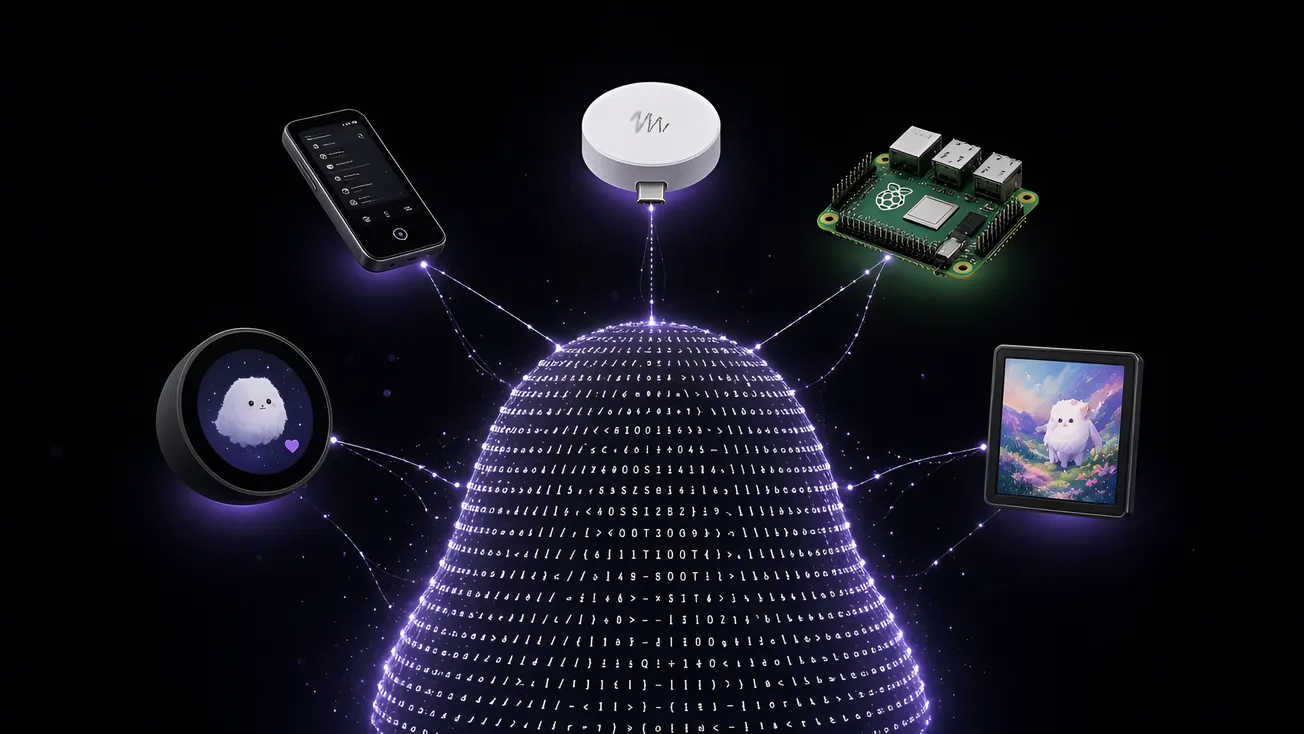
Meta is opening Muse to DIY hardware with open-source ESP32 and Linux SDKs, while shipping a limited USB-C Home Link dongle for U.S. subscribers.

The research preview combines real-time video, speech, and perception while Tavus works on safety controls before a wider release.
The former Vocence subnet is opening model competition for real-time Deaf–hearing communication as UMI prepares /sign for beta and App Store rollout.

The redesign gives Atlas a four-finger, 13-degree-of-freedom hand built for dexterous tool use, simulation training, and repairable industrial deployment.

The rollout lets a user’s primary Bot surface work it can handle before being asked, with suggestions excluded from usage limits.