
Table of Contents
Meta is opening Muse to hardware builders with Muse Gadgets, an open-source project that lets users connect the AI assistant to DIY devices built on ESP32 boards, Raspberry Pi systems, and other Linux hardware.
The launch, announced by Meta chief AI officer Alexandr Wang and Nat Friedman, includes two parts: software development kits for people who want to build their own Muse-compatible devices, and Muse Home Link, Meta’s own USB-C gadget for connecting Muse to devices on a home network.
Wang said Meta is publishing open-source ESP32 firmware and a Linux SDK for hardware that works with Muse, alongside a 5,000-unit batch of Muse Home Link devices that are expected to ship in a few weeks and will be free for Muse subscribers while supplies last.
Muse Gadgets Gives Meta’s AI Assistant a Hardware Layer
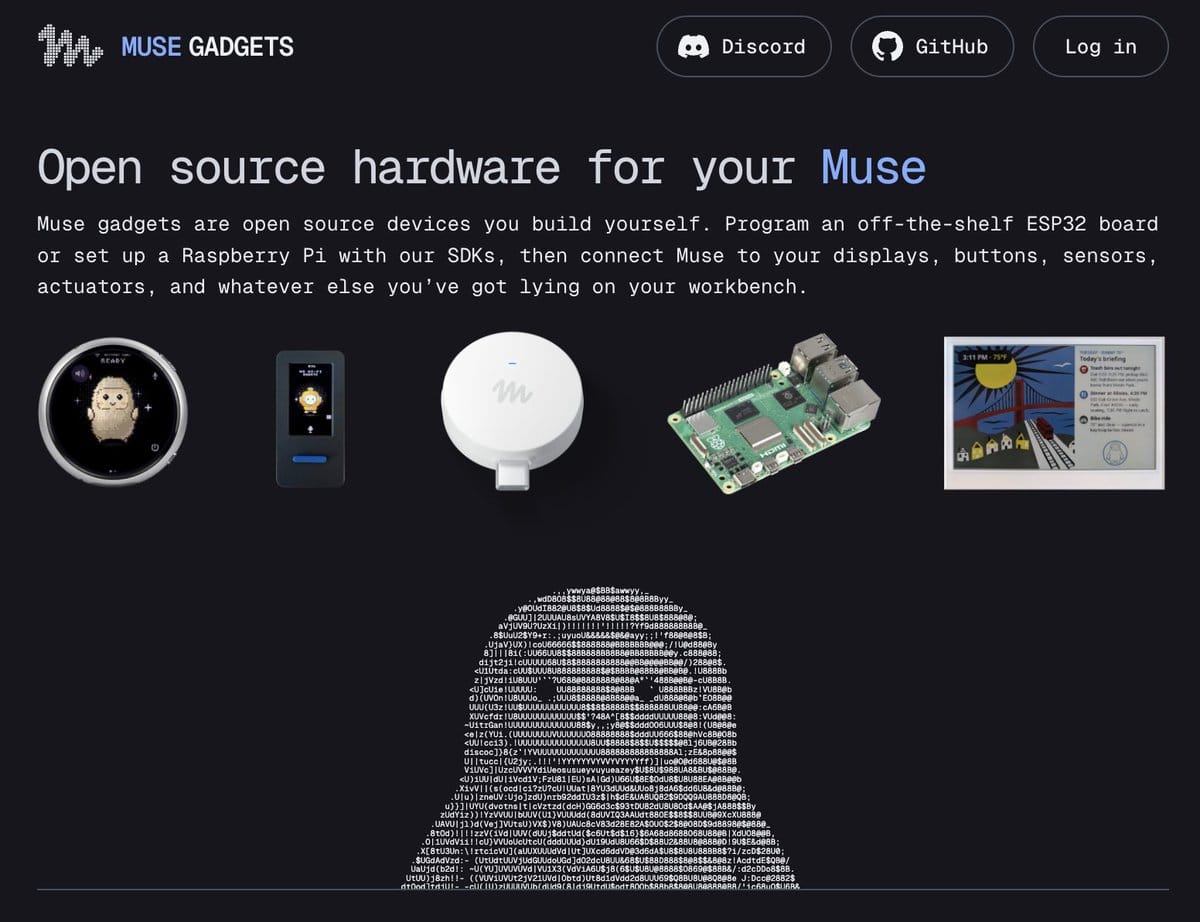
Muse Gadgets is aimed at people who want to move Muse beyond a chat interface and into physical devices. Gadgets are devices users build themselves by programming an off-the-shelf ESP32 board or setting up a Raspberry Pi with Meta’s SDKs, then connecting Muse to hardware such as displays, buttons, sensors, and actuators.
Meta is hosting the code in the facebookincubator/muse-gadget-sdk repository under the Apache License 2.0. The repo includes an ESP32 Device SDK and a Linux Device SDK, giving builders two paths: low-cost microcontroller projects, or more capable Linux-based setups that can interact with local systems and services.
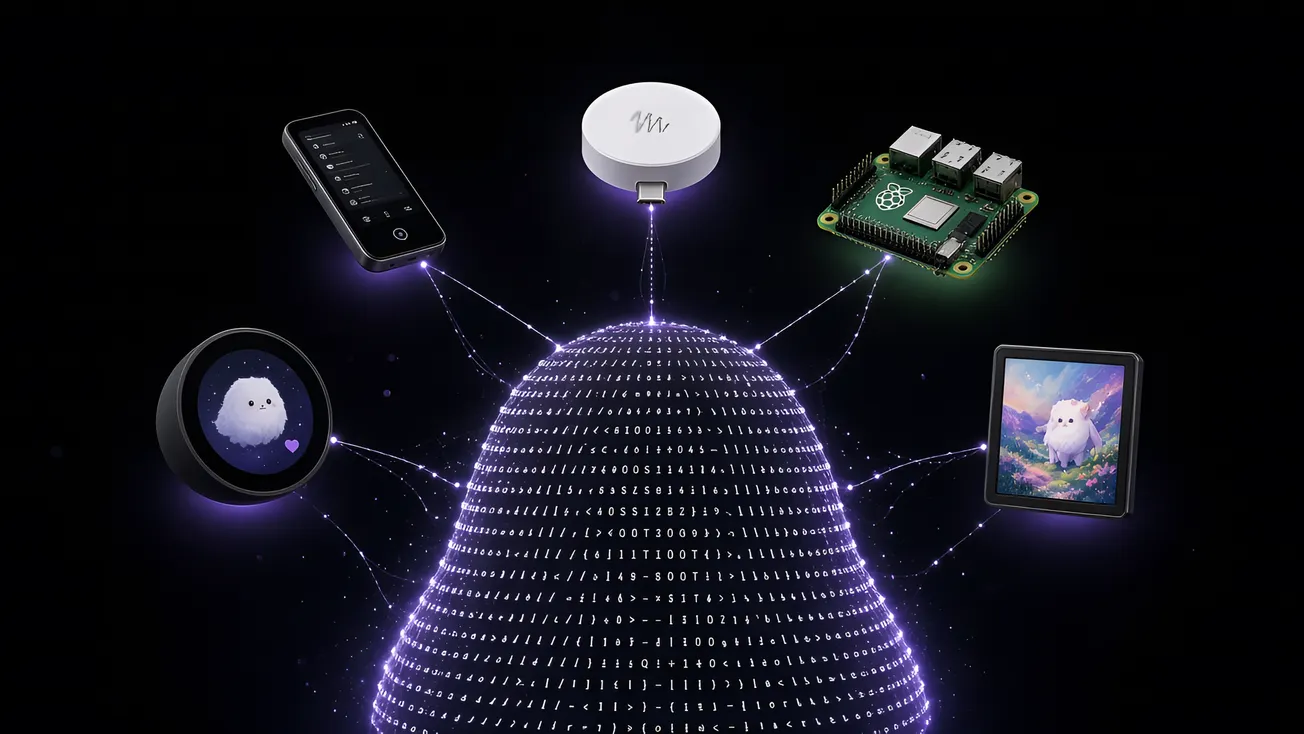
The launch is an experimental hardware interface for agentic AI, broader than a single smart-home accessory. A Muse gadget can be a small screen, a button box, a sensor-driven device, or a Linux machine that exposes commands and integrations. Example hardware listed on the Muse Gadgets site includes Raspberry Pi 5, Waveshare ESP32-S3 touch AMOLED, Seeed reTerminal, M5Stack StickS3, AIPI Lite, an IdeaSpark board, and Home Assistant Voice PE.
Friedman said the decision to open-source the project was intended to let builders “explore all sorts of new and crazy ideas” around Muse-compatible hardware.
What Muse Home Link Does
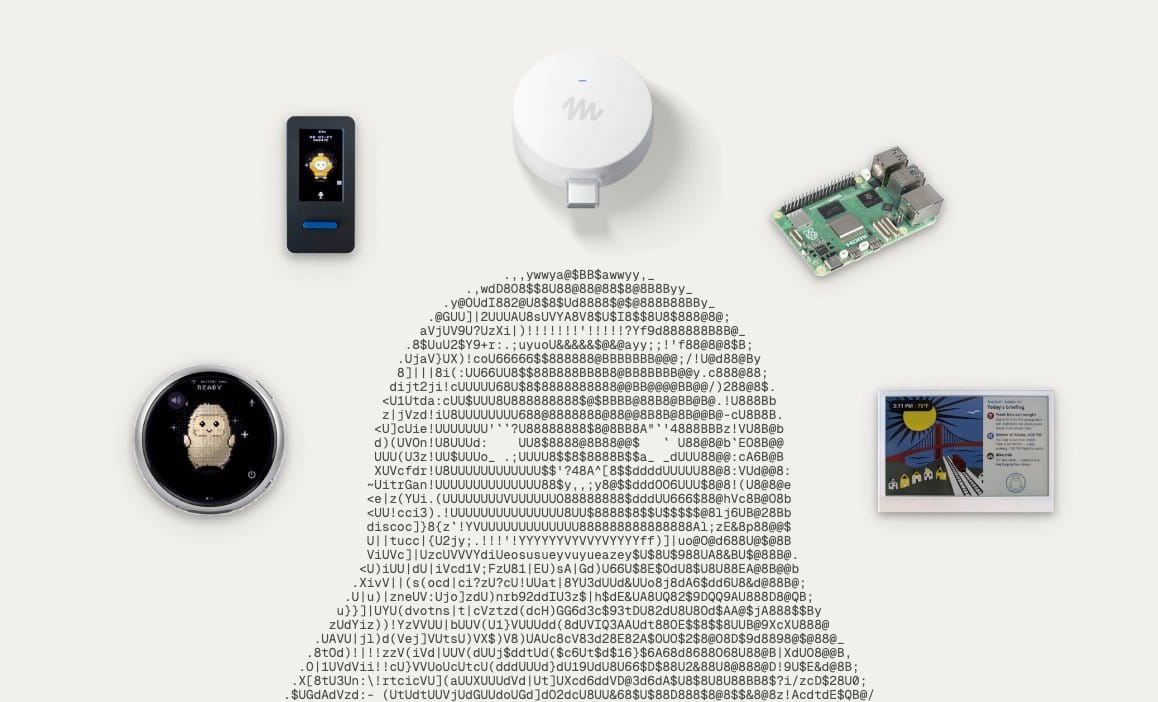
Muse Home Link is Meta’s own gadget for the same system. The device is a small USB-C-powered dongle that lets Muse join a home network and communicate with smart-home devices such as TVs and speakers, along with other devices that expose HTTPS endpoints.
The Home Link product page lists the device with an Espressif ESP32-C5 chip, a 32-bit RISC-V processor running at 240 MHz, 8 MB of PSRAM, 8 MB of flash, Wi-Fi 6 over 2.4 GHz and 5 GHz, USB-C, USB-A, a status LED, and a 35 × 42 × 10 millimeter enclosure. Setup involves plugging the device in near a router, pairing it in the Muse app over Bluetooth LE, and selecting a Wi-Fi network.
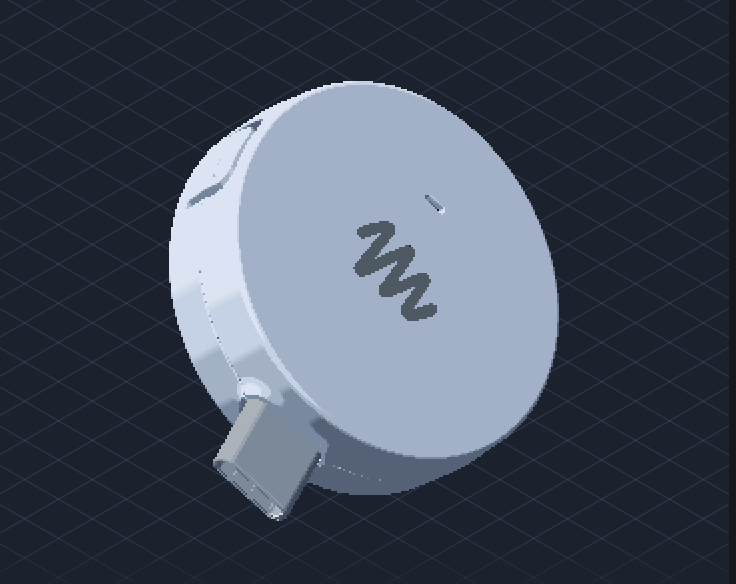
The device is also limited in availability. Wang said Meta made 5,000 units and that they will be free for Muse subscribers while supplies last. The SDK terms page adds that Home Link is available to Muse subscribers in the United States, with a limit of one per subscriber and shipping expected in October.