

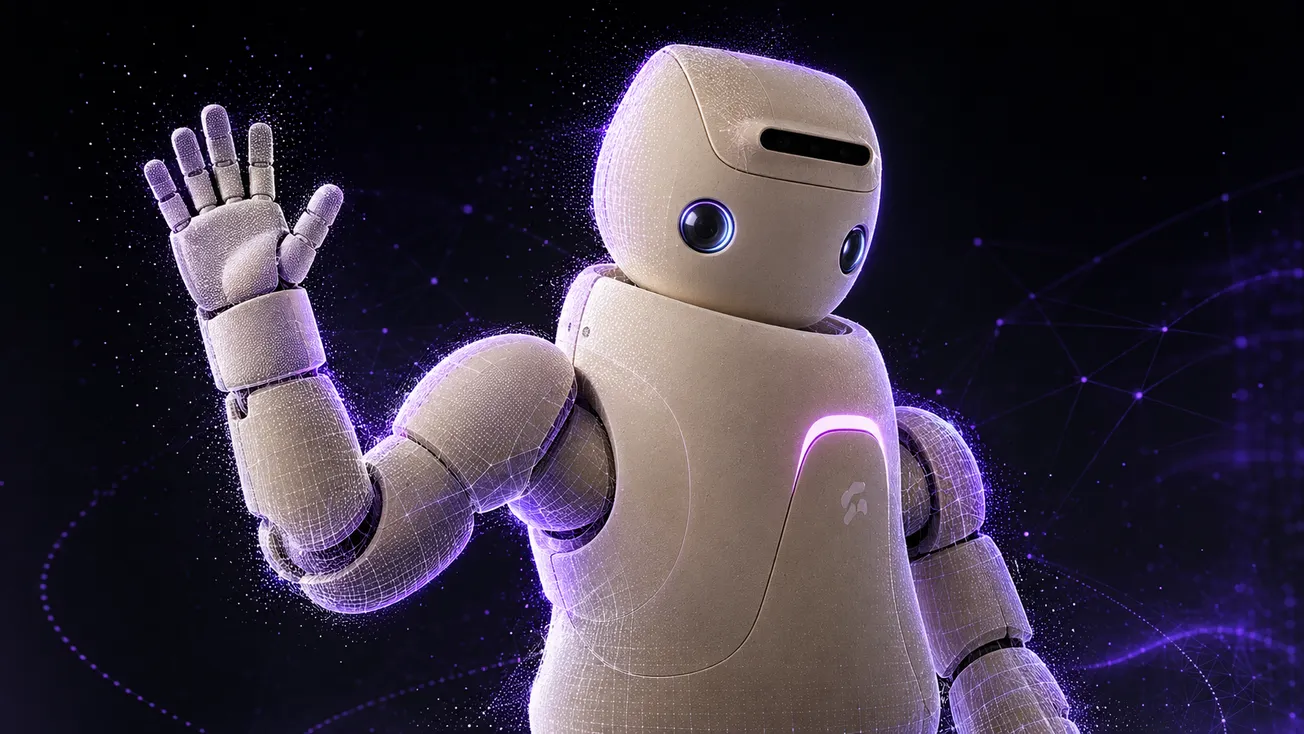
Meta Reportedly Develops Max Humanoid With Fourier for Home Robotics Research
Meta reportedly built the Max humanoid with Fourier for internal robotics research, combining expressive displays, dexterous hands, and Nvidia computing.
Meta reportedly built the Max humanoid with Fourier for internal robotics research, combining expressive displays, dexterous hands, and Nvidia computing.

The 816B-parameter model brings multimodal agent workflows to local hardware, with downloadable weights and hosted API access.

The Muse Wonder series adds Active Memory and Active Focus for long-running agents, while keeping Meta’s latest frontier models behind products and APIs.
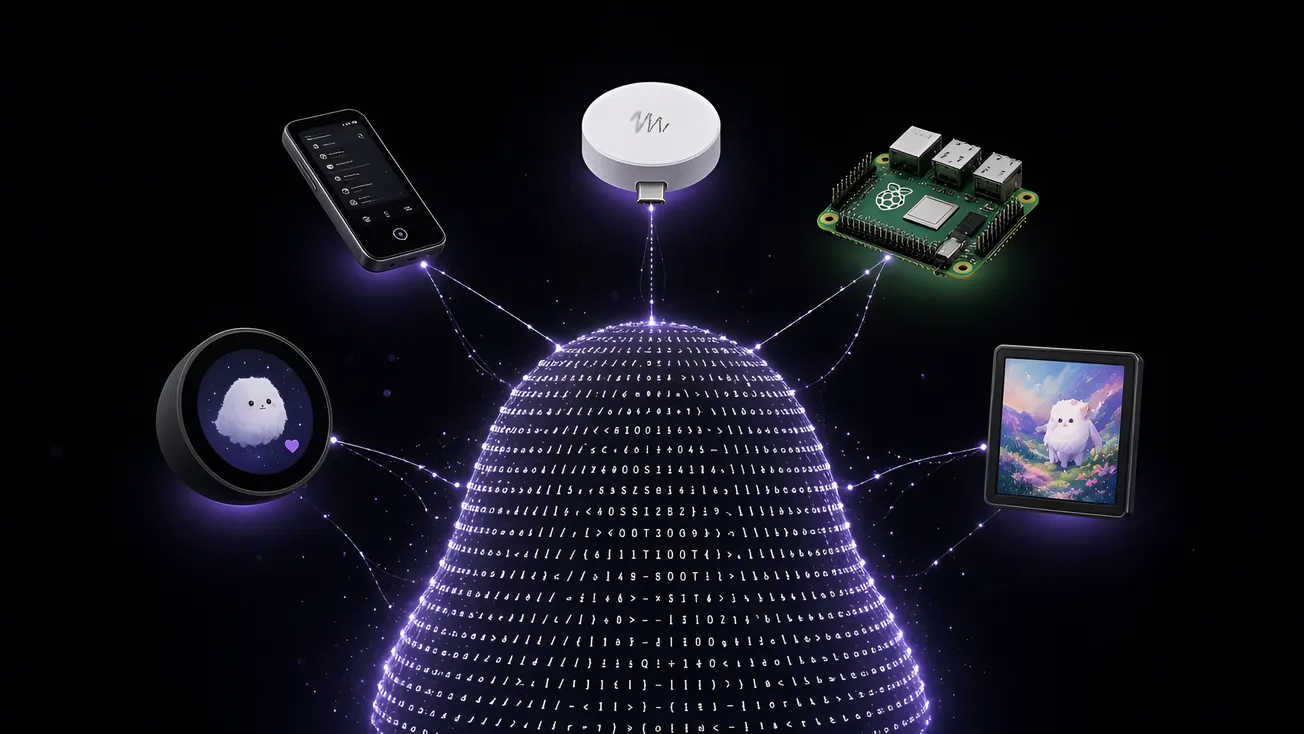
Meta is opening Muse to DIY hardware with open-source ESP32 and Linux SDKs, while shipping a limited USB-C Home Link dongle for U.S. subscribers.
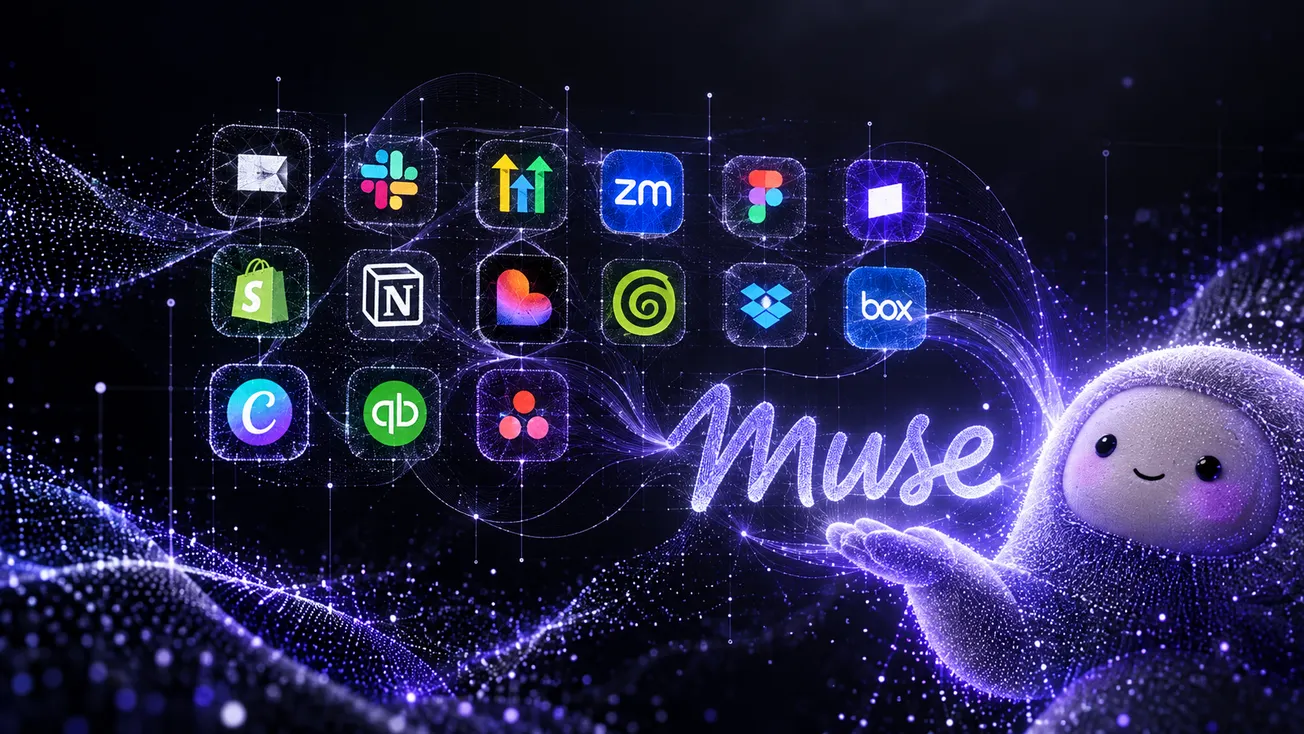
Meta is adding business-focused skills and connectors to Muse, letting owners set goals, link the tools they already use, and approve actions before anything publishes, sends, or spends.

Zuckerberg calls the enterprise push Meta's next major business pillar and says the company will bring Muse, Meta Business Agent, Muse API, and Muse Code to businesses and developers.
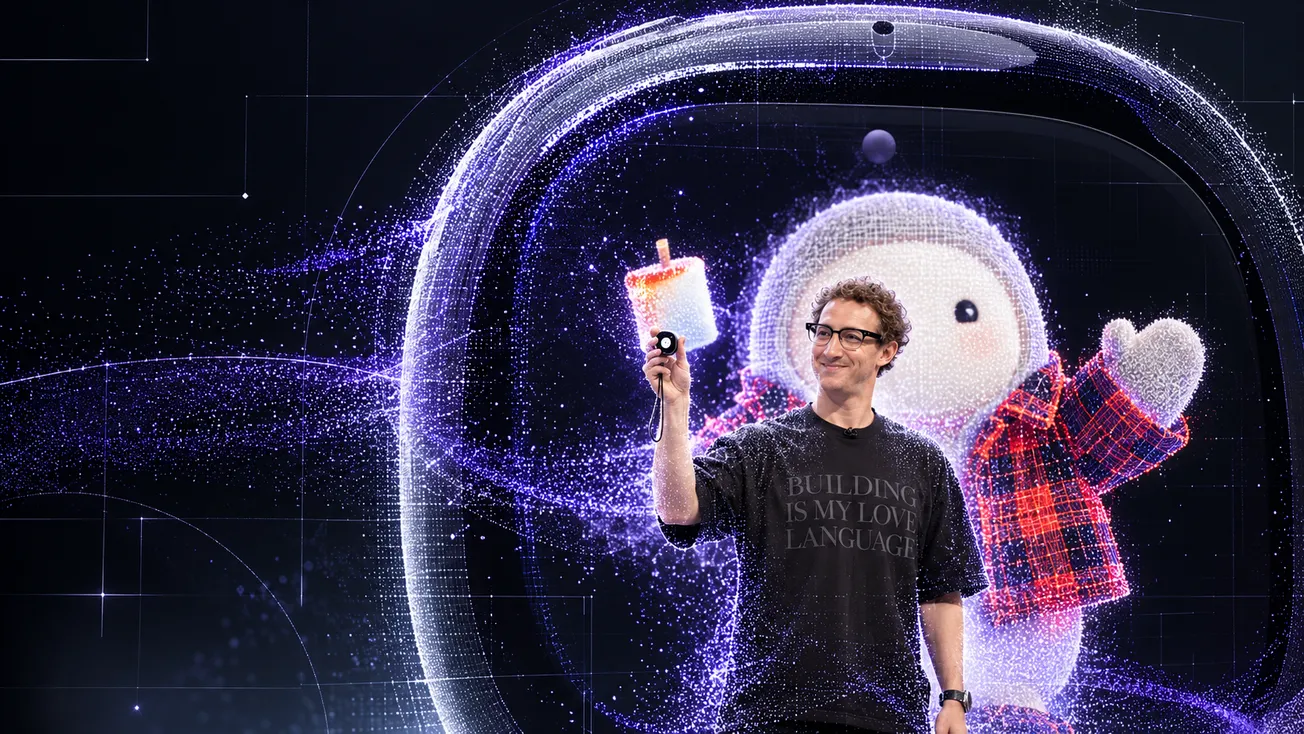
Fifteen days after launch, Meta used Connect to push its personal AI agent into voice, video, Mac control, shopping connectors, AI glasses, and a pocket device.

Sensor Tower data shows Meta’s new personal AI agent ahead of ChatGPT’s early mobile app trajectory across downloads and daily active users.