

Table of Contents
Agility Robotics’ warning that it needs additional capital to sustain operations is drawing renewed attention ahead of its proposed Nasdaq listing, after robotics investor Andrew Kang predicted a sharp divide between successful humanoid companies and those that fail.
The maker of Digit disclosed in its Form S-4 merger filing that, without considering its proposed combination with Churchill Capital Corp XI, substantial doubt exists about its ability to continue as a going concern. The assessment reflects continuing losses and projected cash requirements, despite commercial robot deployments and new financing.
Kang’s comments arrive as Agility and Churchill XI expect approximately $465 million in gross capital from the transaction and related financings. That total includes $100 million Agility has already received.


Losses and Cash Requirements Behind the Warning
Agility’s audited accounts show a $138.1 million net loss in 2025 and an accumulated deficit of $313.1 million at year-end. Operating activities consumed $99.8 million in cash, up from $70.7 million in 2024. Cash and cash equivalents stood at $103.0 million on December 31, 2025.
The company has not achieved positive operating cash flow and expects further losses and higher operating expenses. Grant Thornton LLP’s audit report on its 2025 and 2024 financial statements includes an explanatory paragraph identifying substantial doubt about its ability to continue operating.
A going-concern assessment considers whether a company can fund operations and meet obligations for at least a year after its financial statements are issued. Agility’s management determined that existing cash would not cover that period under its operating plan and forecast cash flows.
Agility raised another $100 million in July 2026 through simple agreements for future equity, or SAFEs, which provide for future shares under their terms. Management nevertheless concluded that its financing plans did not alleviate the accounting doubt, because completing the proposed merger was not fully within Agility’s control and did not meet the applicable probability threshold under U.S. accounting rules.
The assessment excludes the proceeds Agility expects from completing the proposed transaction.
Kang Predicts a Split Among Humanoid Companies
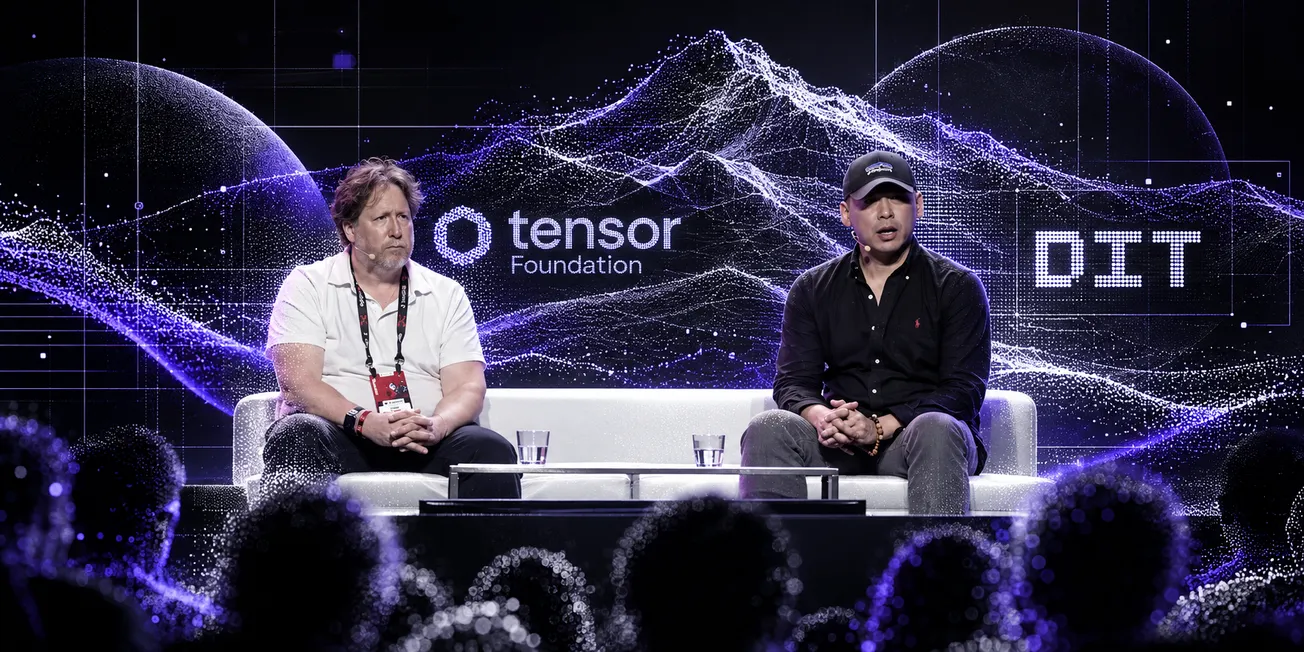
Mike Kalil, a robotics reporter, drew attention to the disclosure in September. Kang quoted that post on October 30 and extended the point to investment outcomes across humanoid robotics.
“Some companies in the space will become absolute giants while many others will fail,” Kang wrote in his post on X. “The dispersion in returns over the next year will be massive as the wheat separates from the chaff.”
Kang, RoboStrategy’s chief executive and the founder of Mechanism Capital, argued that outperforming in the sector requires specialized expertise. Kang’s fund, RoboStrategy, holds exposure to Agility’s competitors. RoboStrategy’s September 30 portfolio disclosure lists Apptronik at 14.2% of net assets and Figure AI at 13.8%, including exposure through special-purpose vehicles. Agility is not listed among the fund’s holdings.
Agility identifies both companies as competitors, alongside Boston Dynamics, Tesla, 1X Technologies, Sanctuary AI, Hexagon, and NEURA Robotics. It warns that many rivals have greater financial, technical, and manufacturing resources, stronger brand recognition, and more established customer relationships.
Digit’s Commercial Work and Subscription Economics
Agility’s financing needs sit alongside an operating business with industrial customers. As of May 2026, Digit v4 had accumulated more than 65,000 hours of real-world commercial operation, with robots deployed or committed for deployment across nine customer facilities. Named customers include Schaeffler, GXO, Toyota Motor Manufacturing Canada, Amazon, and Mercado Libre.
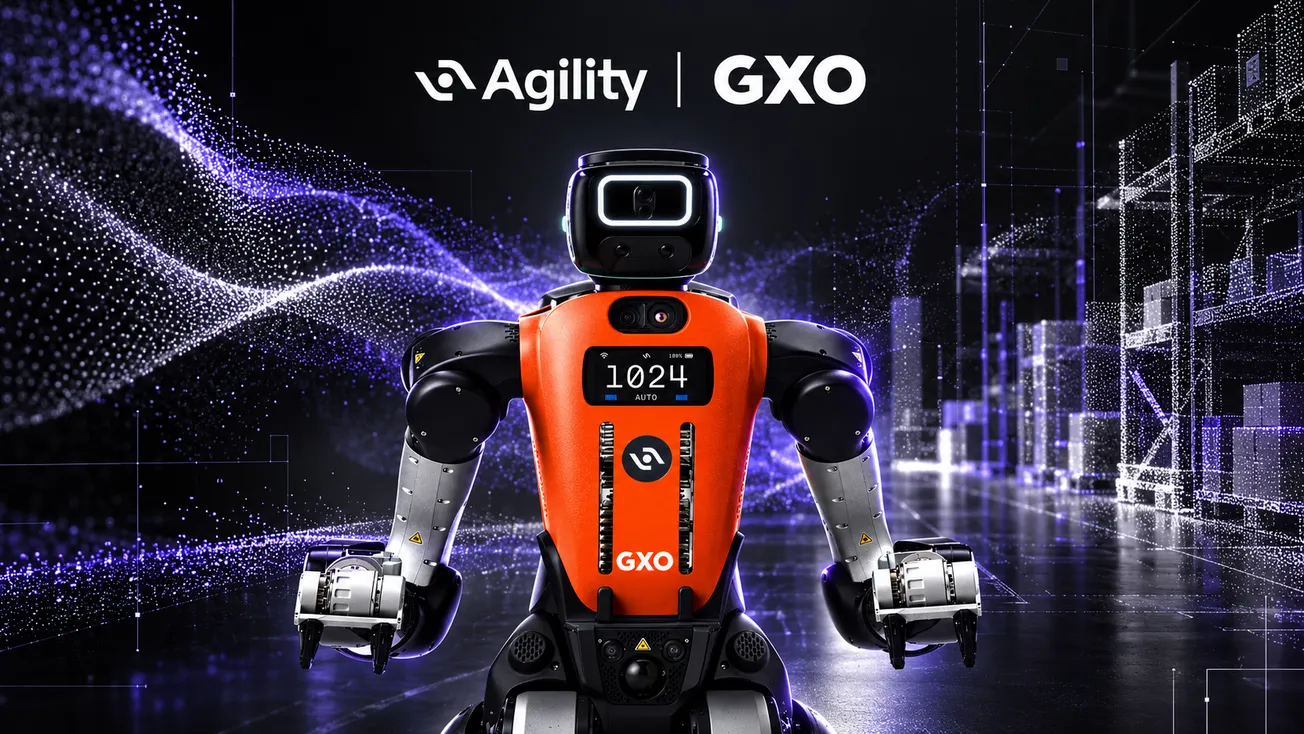
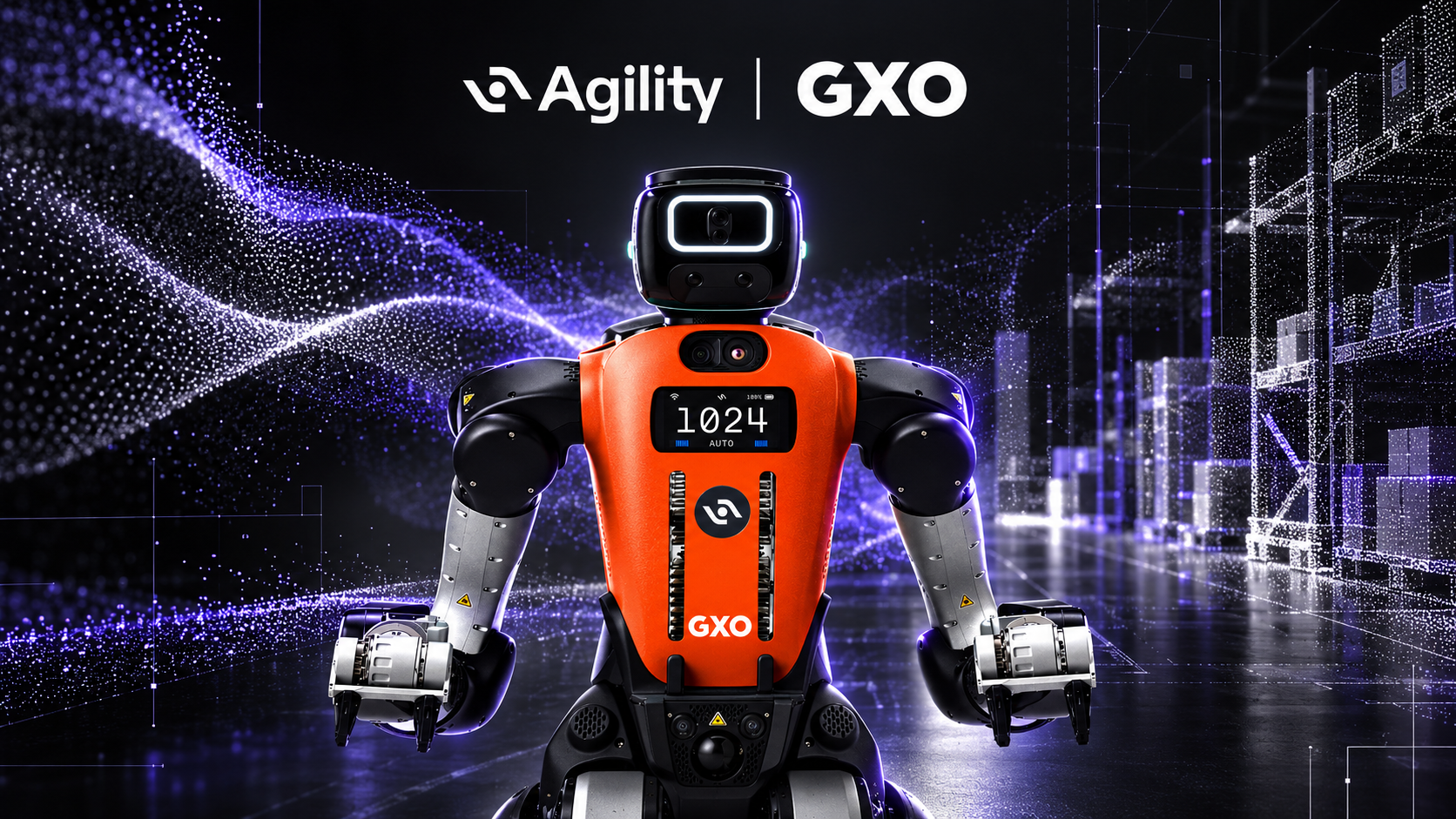
GXO has since agreed to expand Digit deployments to North Carolina and Tennessee. Those deployments are expected to start in early 2027 with Digit 4, followed by a transition to Digit 5 when it becomes commercially available.
The S-4 also details approximately $300 million in potential multi-year value associated with orders for 1,000 Digit v5 robots under three-year Robots-as-a-Service contracts. Those orders depend on contractual milestones, product features, and specifications; the amount is not current-period revenue.
Under that service model, Agility retains ownership of the robots, while customers pay recurring subscriptions covering hardware, software, and ongoing support. Customers avoid buying the equipment outright, but Agility must finance construction and deployment before collecting the full stream of subscription payments.
The company’s illustrative economics assume a five-year robot life and depend on manufacturing costs, maintenance, repair expenses, subscription pricing, and customer renewals. Agility says the service model has not yet demonstrated profitability at scale. That makes the cost of keeping robots working over multiple years central to turning contracted demand into sustainable cash generation.
Financing and the November Shareholder Vote
The merger assigns Agility a $2.5 billion pre-money equity value. Churchill XI’s October 13 SEC filing confirms that the S-4 was originally filed on September 4. The SEC declared the registration statement effective on October 13, advancing the planned Nasdaq listing.
The updated approximately $465 million financing package comprises about $164 million from Churchill XI’s trust account, approximately $201 million from a private investment in public equity, or PIPE, committed at $10 per share, and the previously received $100 million. Foxconn leads the PIPE. The total is before transaction expenses.
Agility and Churchill XI expect the combination to close on November 4, subject to shareholder approval at the November 2 meeting and customary closing conditions. Trading under AGLT is expected to begin November 5.
The capital would support commercial expansion as Agility prepares to deliver its next robot generation. Digit 5, unveiled in September, is scheduled for early-access customer deliveries in the first half of 2027, with general availability targeted for the end of that year.