
Table of Contents
Apex (SN1) has shared a progress update on its IOTA (SN9) Simulator competition, reporting more than 22,000 miner submissions and measurable improvements in distributed AI training efficiency since launch.
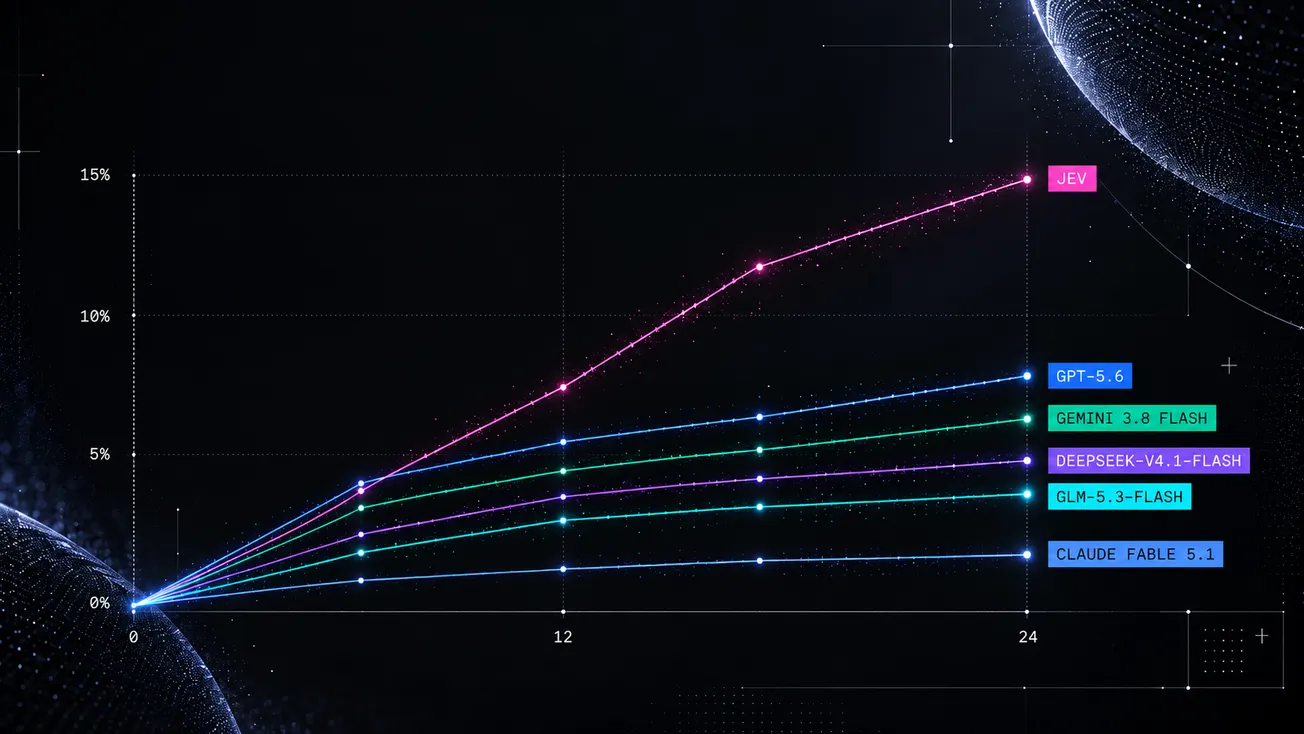
According to the team, the competition has generated 22,967 submissions across 57 evaluation rounds over roughly two months, with epoch completion times improving by approximately 29% on average compared to the start of the competition. Some network configurations reportedly achieved improvements of up to 39%.
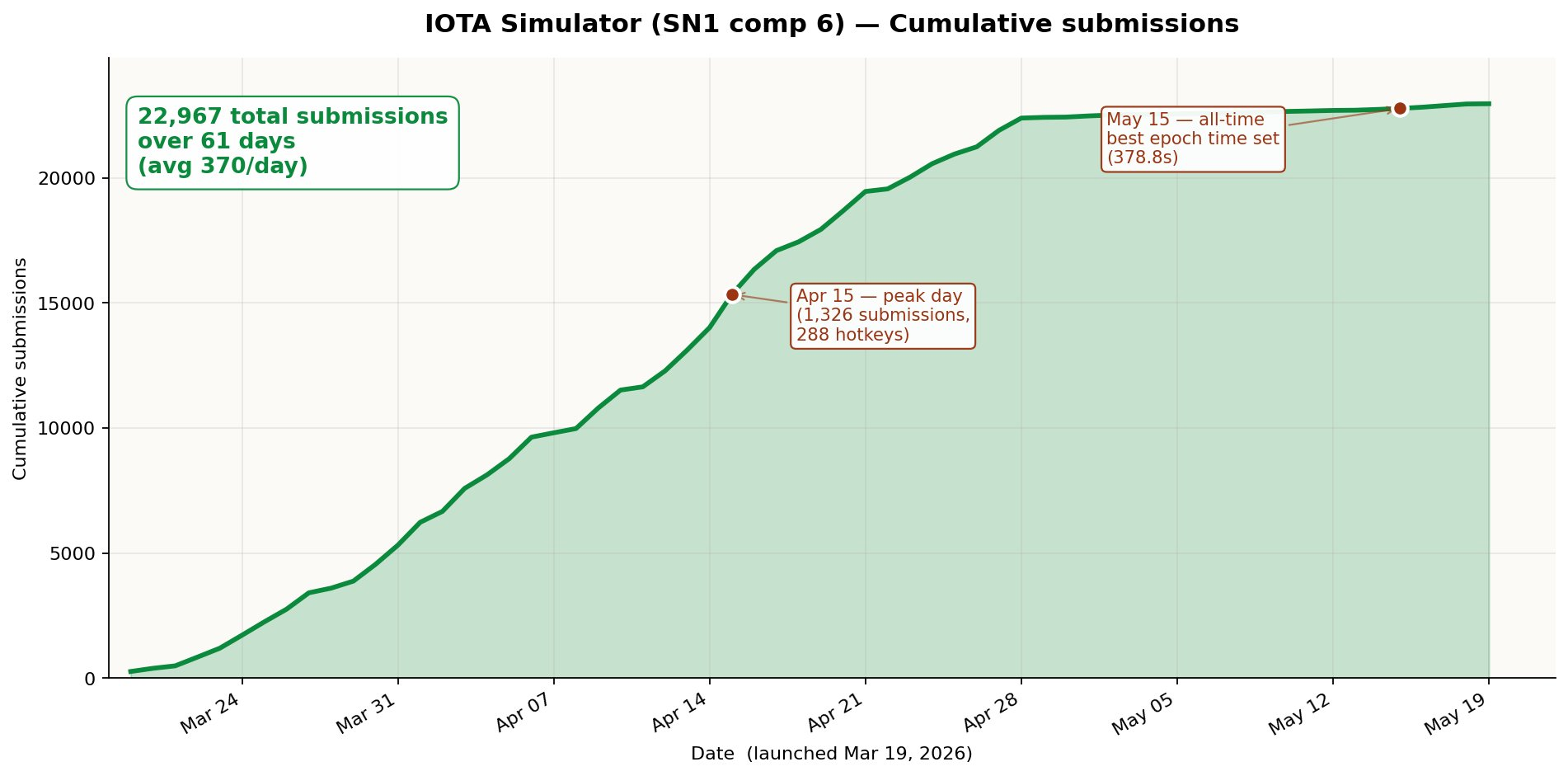
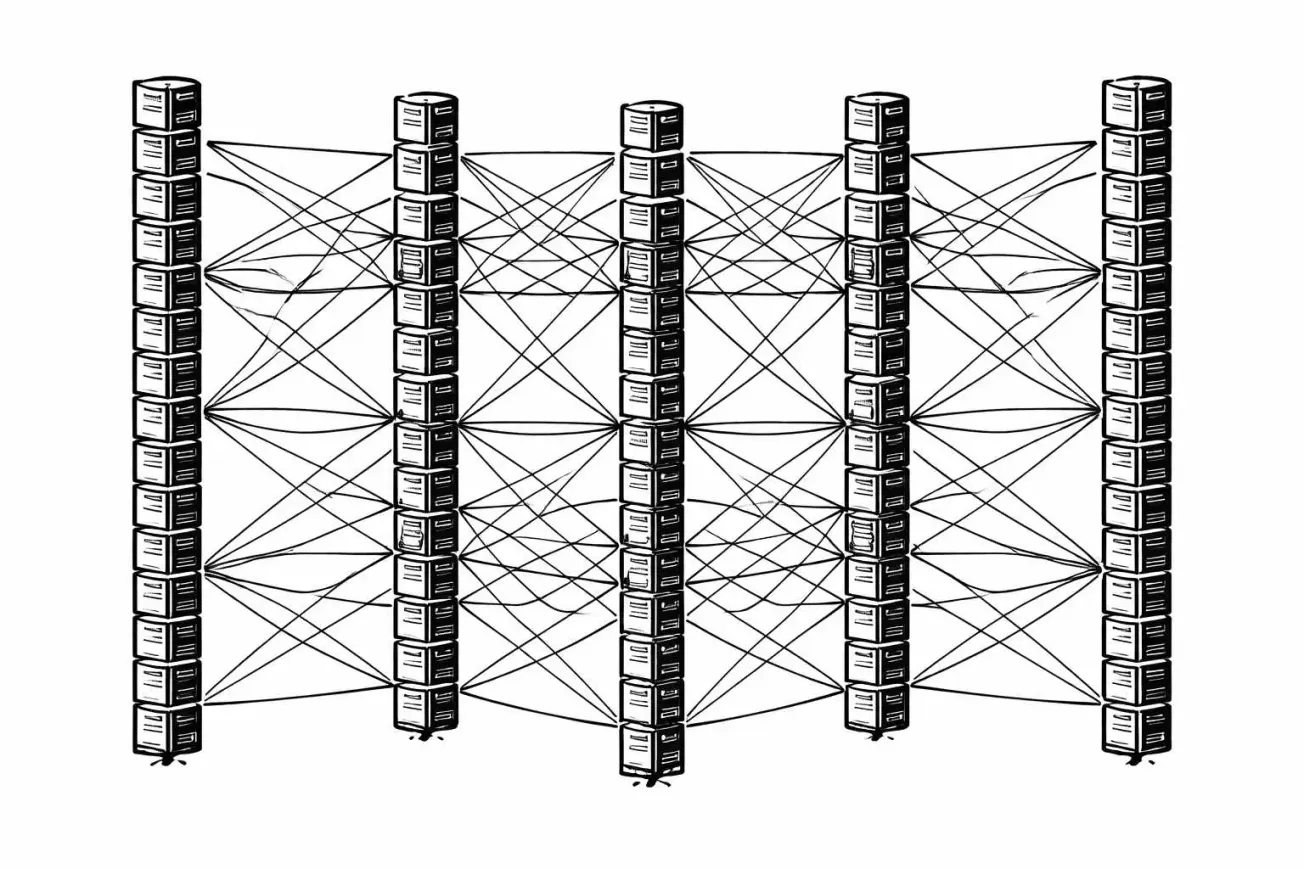
The IOTA Simulator is a digital twin of the IOTA distributed training network designed to optimize how activations move between miners during training, with participants competing to minimize epoch completion time by improving routing and balancing decisions across a decentralized network.
The competition serves as an active research environment for Apex, where miner submissions can surface optimization techniques that feed back into how distributed AI systems are designed.
In its update, Apex highlighted that routing activations to the fastest miner did not consistently improve throughput because overloaded downstream queues often became a bottleneck. Instead, top-performing submissions converged around an approach of routing decisions that accounted for downstream queue capacity, avoiding miners building up congestion even if they appeared to be the fastest option.
Apex said the behavior resembles capacity-aware load balancing techniques used in frontier AI systems and cloud infrastructure. Similar approaches are used in mixture-of-experts architectures, including models such as DeepSeek and Mixtral, where tokens are routed dynamically across neural networks to improve efficiency.
To see the IOTA Simulator in action, visit the dedicated competition page.
Disclaimer: This article is for informational purposes only and does not constitute financial, investment, or trading advice. The information provided should not be interpreted as an endorsement of any digital asset, security, or investment strategy. Readers should conduct their own research and consult with a licensed financial professional before making any investment decisions. The publisher and its contributors are not responsible for any losses that may arise from reliance on the information presented.