

Table of Contents
OpenAI has released Images 2.6 across ChatGPT, Codex, and its API, adding animated GIF creation, reusable image references, and more precise editing controls. The company says the update generates images 50% faster than before, with two API models giving developers a choice between faster output and higher-quality generation.
In ChatGPT, users can turn a text prompt or an existing image into a GIF and save familiar subjects for later creations. Developers get GPT-Image-2.6 Flare and GPT-Image-2.6 Sunburst, alongside image markup, SVG exports, and a new setting for controlling how much planning goes into a request.
The release reaches an already large image-generation audience. OpenAI reports that users now create 4 billion images a week across ChatGPT, Codex, and the API, more than half a billion a day on average.
GIFs and Reusable Subjects in ChatGPT
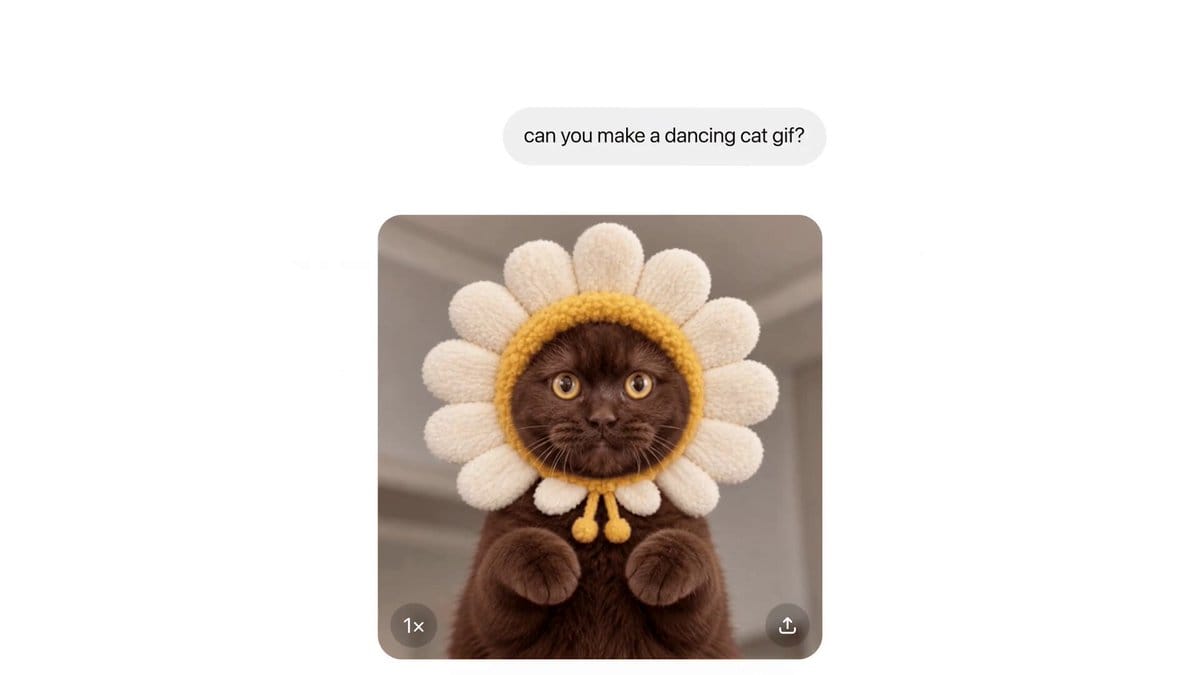
The GIF workflow extends image generation into short animations. Users can start with a description or uploaded picture, then adjust playback speed, edit individual frames, and share the result. OpenAI's launch post introduces GIFs and reference images together as the main additions to ChatGPT Images.
OpenAI points to uses including animated brand mascots, reaction images, memes, and storyboards for exploring character movement before video production. Even a simple sketch can be the starting point for an animated character.
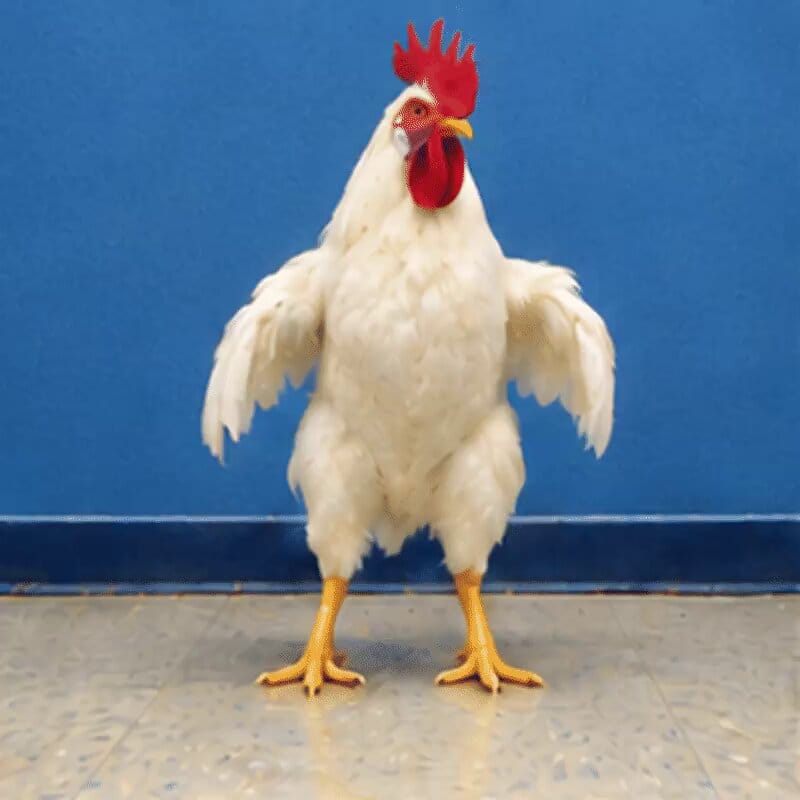
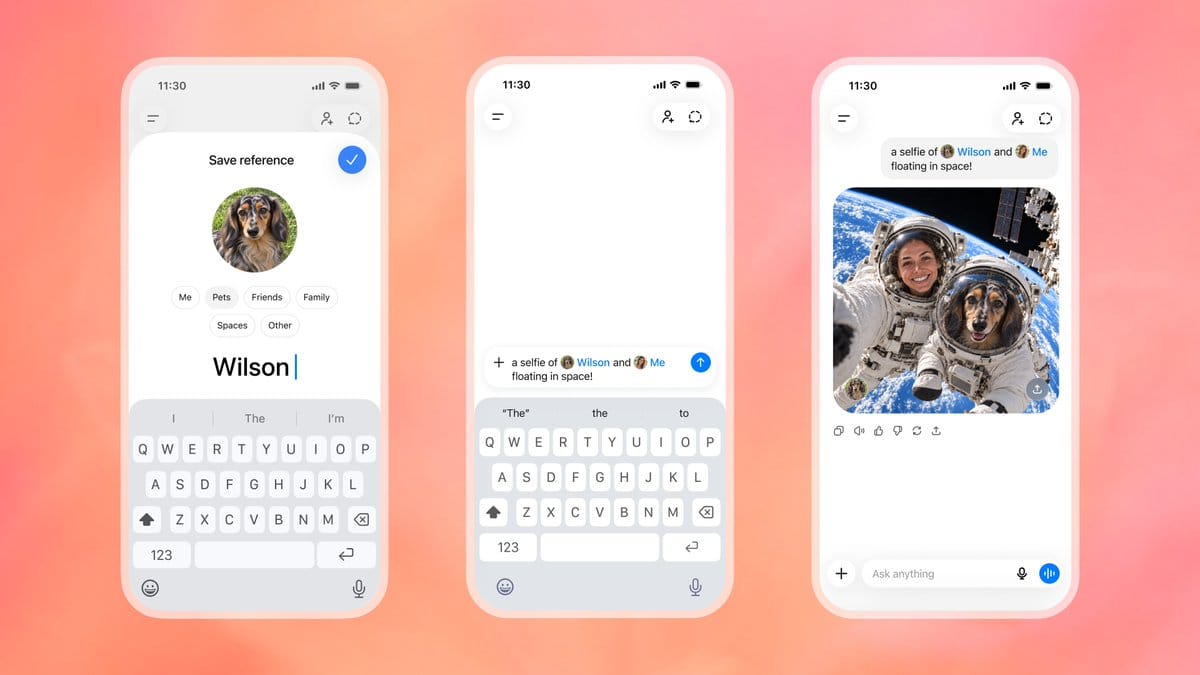
ChatGPT users can also save reference images of themselves, pets, or characters and reuse them in later requests without uploading the same file again. That gives recurring subjects a reusable starting point for new creations.
The update improves consistency across successive edits, so characters, products, and brand details stay intact as other parts of an image change.
Flare and Sunburst Split Speed and Detail
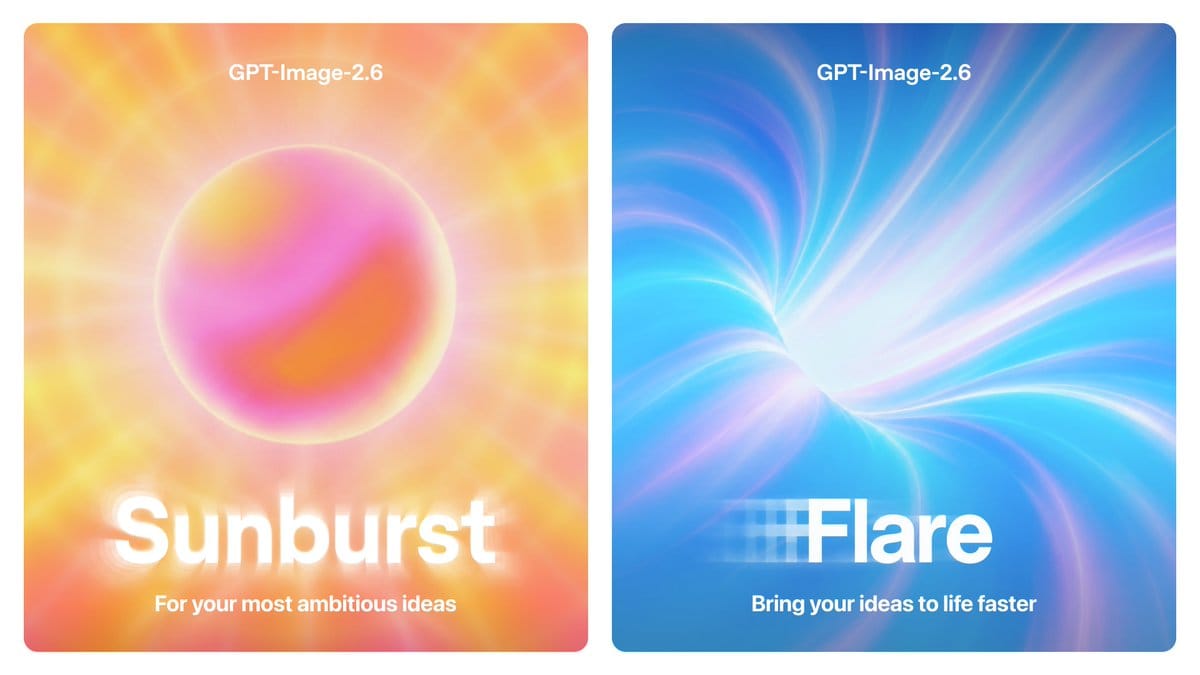
Flare is the speed-focused option for developers. OpenAI says it can generate images in as little as six seconds when quality is set to low. The model also improves layout quality for posters, product imagery, and other professional visuals.
Sunburst is aimed at work that needs greater detail and precision. At medium or high quality, it produces more detailed images and stays more consistent across edits, so it suits workflows that need to preserve details through revisions.
The API also gains image markup, a control already available in ChatGPT. Instead of relying only on a written description of where an edit belongs, teams can pinpoint the area they want changed. SVG exports provide a vector format for carrying designs into websites, applications, and print workflows.
A separate complexity parameter controls how much planning the model does to satisfy a request. Quality governs visual detail and fidelity; complexity governs how much goes into the scene. Developers can therefore pair a higher image-quality setting with low complexity for a straightforward edit, rather than treating every request as an elaborate composition.
OpenAI recommends low complexity for most editing tasks and medium or high complexity for scenes with many elements or constraints.
Availability, Pricing, and Early Integrations
Images 2.6 is available globally in ChatGPT and Codex across all subscription tiers on desktop, mobile, and web. Both Flare and Sunburst are available through the API.
OpenAI's standard API pricing lists the same token rates for both models: $5 per million text-input tokens, $8 per million image-input tokens, $2 per million cached image-input tokens, and $30 per million image-output tokens. These are token-based rates, not fixed prices per generated image.
Early users include OpenArt, which demonstrated animated characters, and Town, an AI work-assistant startup that used the API to explore animated characters for workplace interactions. Figma Weave plans to add the model to its creative-production workflow, where teams can generate and refine assets while preserving recurring character, product, and brand details.