


What Is Alpha on Bittensor? How Subnet Tokens Work
Learn what alpha is on Bittensor, how subnet tokens are minted and priced against TAO, and how alpha rewards flow to network participants.
Learn what alpha is on Bittensor, how subnet tokens are minted and priced against TAO, and how alpha rewards flow to network participants.

Learn what stake weight means on Bittensor, how alpha stake and root TAO combine through tao_weight, and why it matters for validator permits and Yuma Consensus.

Tempo is Bittensor’s payout clock: the block interval between subnet epochs when Yuma Consensus settles accumulated alpha rewards.

Learn what a System One model is, how it differs from traditional LLMs and reasoning models, and why fast, structured AI decisions matter for automation.

Subnet staking swaps TAO into subnet alpha, while root staking keeps TAO principal 1:1 and earns claimable validator basket yield after Root Reborn.

Bittensor has no single owner. Protocol keys, code repos, validators, subnet owners, and TAO holders each control a different layer.

How TypeSafe’s Jev uses structured probabilistic decisions to make AI workflows faster, cheaper, and easier to control alongside traditional LLMs.

Learn how TypeSafe AI’s Jev makes fast, structured decisions using calibrated probabilities, and why it could become a new judgment layer for software.

Learn what Yuma Consensus is, how Bittensor turns validator scores into miner rewards, and why stake-weighted clipping matters for TAO emissions.

Grok Bot vs Hermes Agent compared on pricing, models, automation, memory, hosting, security and ease of use. Find the best AI agent platform for your workflow.

The real differences emerge in what each network sells, how it coordinates supply, and whether demand comes from customers or token incentives.

A guide to how Bittensor subnets compete for TAO emissions under Dynamic TAO.

A plain-English guide to how new subnets get created on Bittensor, covering registration, lock costs, slot competition, and what goes live on-chain.
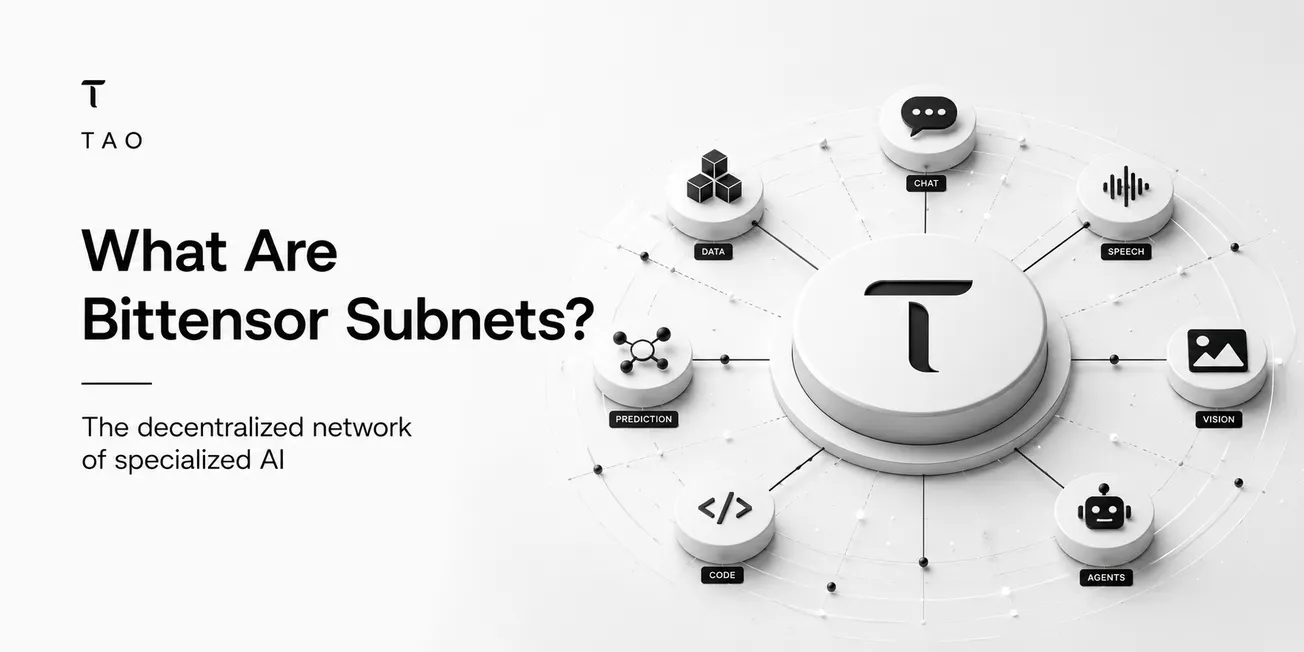
Bittensor subnets are specialized markets where the network's AI gets built, each with its own token and underlying product or solution.
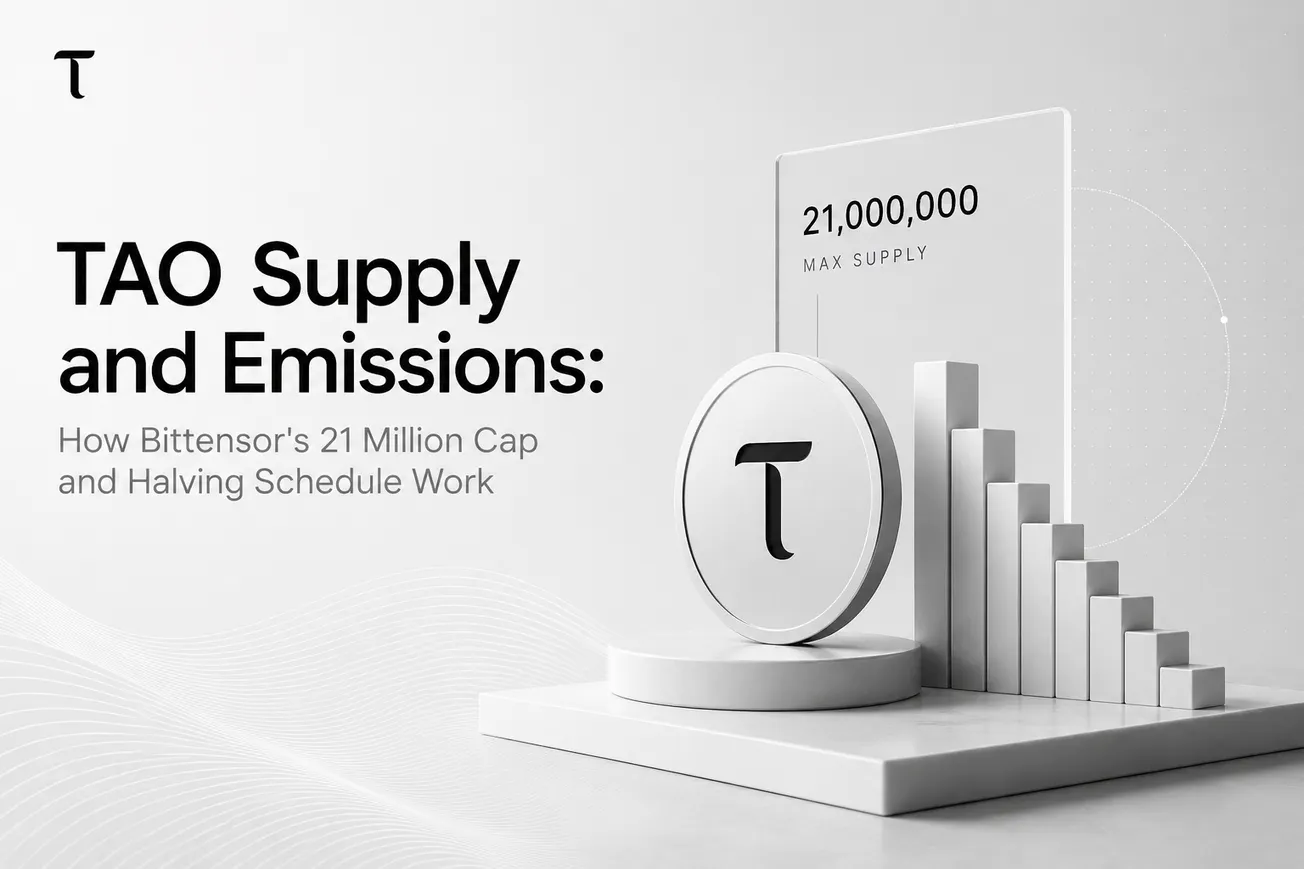
How Bittensor issues TAO under a fixed 21 million cap, why halvings trigger on supply milestones rather than the calendar, and where supply stands now.
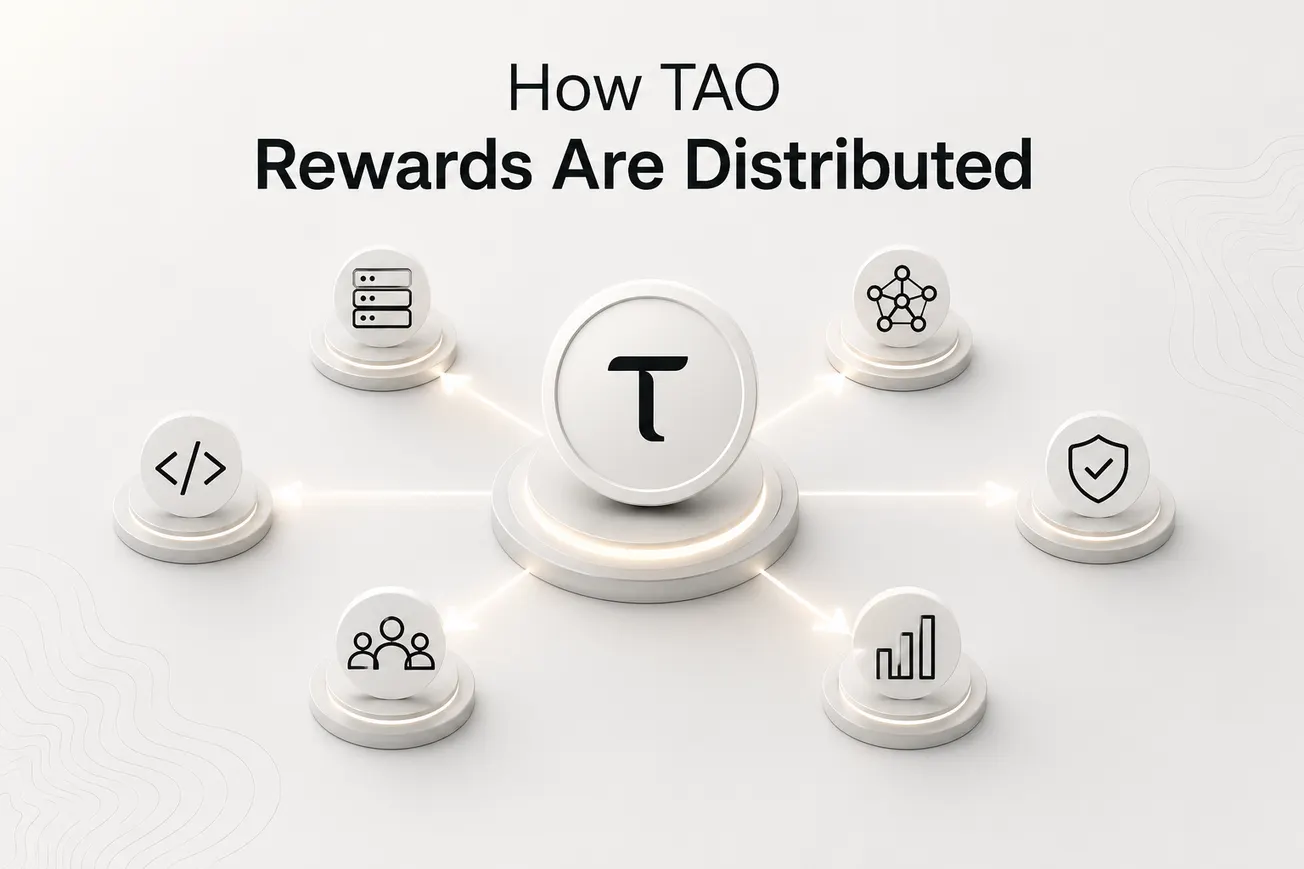
How TAO rewards flow through Bittensor: block emissions, the two-track split into subnets and alpha, and the 41/41/18 payout to miners, validators, and owners.