

Table of Contents
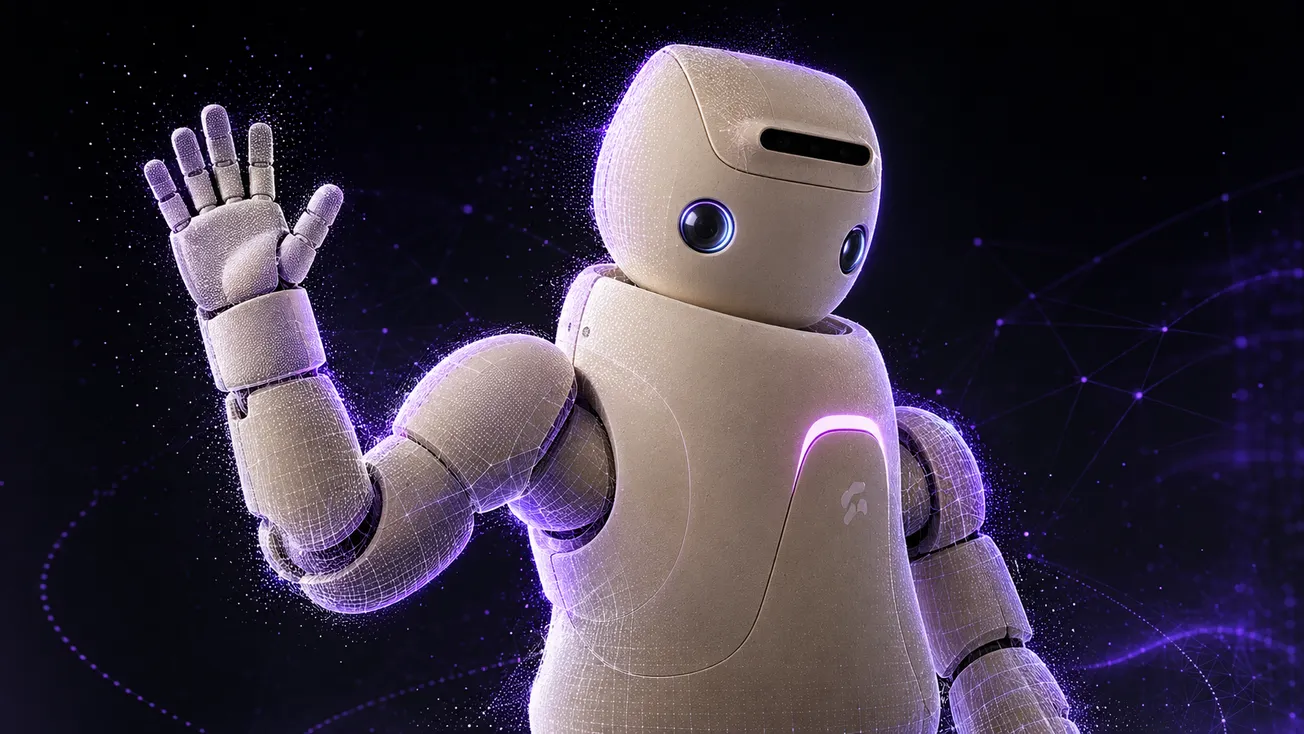
Meta has reportedly developed a humanoid robot called Max with Shanghai-based robotics company Fourier and begun work on a successor, giving its home robotics research a customized hardware platform. The partners built the first prototype in about three months, according to The Information’s reporting.
The Fourier collaboration is focused on internal research and experimentation, with no plans to sell these units. The work explores robots that can interact with people and help with household tasks, rather than machines designed primarily for factory work.
Max reportedly stands about 1.5 meters tall, weighs roughly 48 kilograms, and runs on Nvidia’s Jetson Thor computing platform. Its five-fingered hands can pick up small objects, including bottles and toys, while chest-mounted speakers and a face display support spoken interaction and facial expressions.
The interaction requirements extend beyond answering questions. Meta wanted the robot to recognize a voice from five meters away, interpret waves or gestures from three meters, maintain eye contact, and signal whether it is listening, thinking, speaking, or uncertain.
The partners customized the robot’s proportions, head, display, and cameras, drawing on Fourier’s experience across three generations of humanoids. Max is therefore a custom-built research machine, not a stock Fourier model running Meta software.
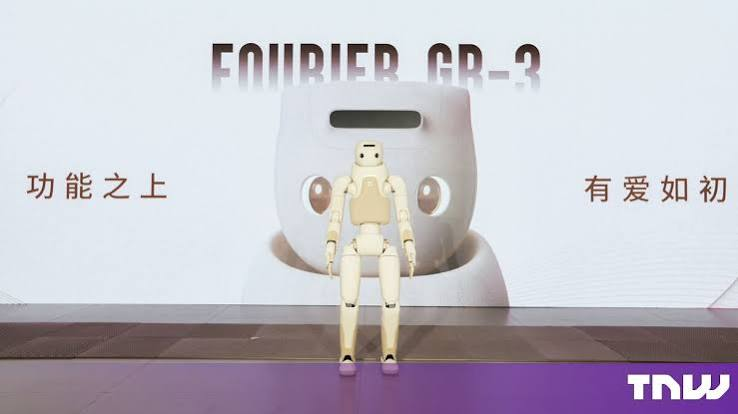
Fourier already builds hardware for social interaction. Its GR-3 humanoid combines hearing, vision, and touch in a companionship-focused design, with up to 55 degrees of freedom that let its body and hands articulate independently. At roughly 1.65 meters tall and 71 kilograms, GR-3 is larger and heavier than the reported Max prototype.
The collaboration also involved extended work at Fourier’s facilities. Meta’s robotics product vice president, Li-Chen Miller, spent almost two months at its Shanghai factory, and Max was shown to some employees at an internal robotics summit in late August, according to The Next Web’s account of the reporting.
Development of Max 2 reportedly began in September. Planned changes include a redesigned torso, improved hands, a projector, and additional sensors intended to help the robot navigate stairs.