


Hippius Adds Individual Team Logins and Product-Level Roles With Shared Accounts
Teams can manage cloud infrastructure under one owner while assigning each member only the access their work requires.
Teams can manage cloud infrastructure under one owner while assigning each member only the access their work requires.
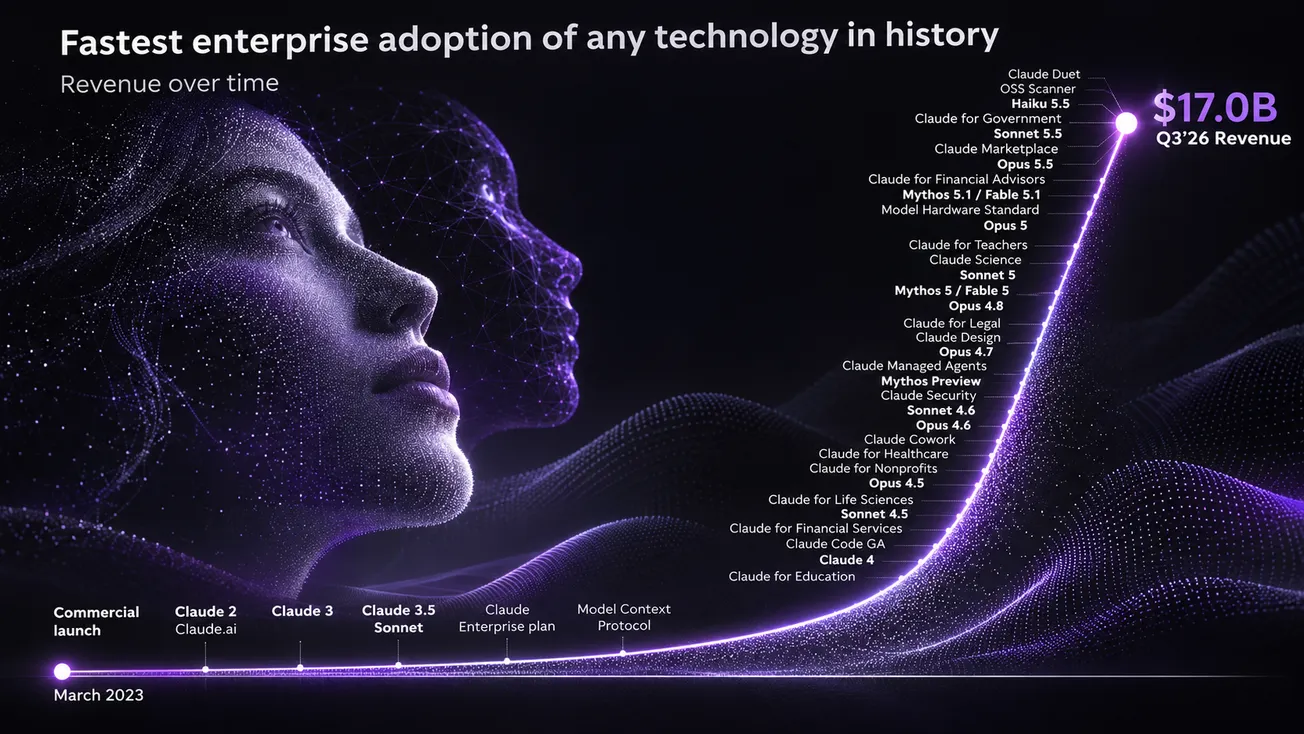
The Claude developer returned to an operating loss as short-term compute costs rose ahead of its planned Nasdaq listing.

The national program will build power-demand flexibility into future AI campuses, starting with a planned site in Effingham County.

The Digit maker’s financing needs face fresh scrutiny days before a shareholder vote on its proposed public listing.

The humanoid robot’s exemption is tied to a U.S. manufacturing plan and continued product vetting.

Metanova will direct additional owner emissions into experimental datasets, starting with an ADME model-training competition.

Developers will compete for SN1 alpha by improving code used in UR’s live network, with approved winners setting the next performance baseline.

The Wan-based model turns discoveries from living neurons into software for lower-cost video generation on fal and OpenRouter.

Schwarz Group leads the financing as Cohere expands private enterprise AI, frontier-model training, and cybersecurity.

The trillion-parameter model gives developers and security teams a self-hosted option with more efficient reasoning and enterprise customization.

The Digit maker plans to fund commercial expansion as shareholders prepare to vote on its Churchill XI merger.

The robot maker’s first post-IPO results show expanding sales alongside a sharp increase in model development and computing investment.

The Bittensor cloud platform adds per-zone traffic controls while shielding decrypted requests from server operators.

The London-listed company is taking network-wide exposure to Bittensor rewards, with staking income to be disclosed in monthly updates.

Access starts with cyber defenders as Google prepares a phased rollout of its newest frontier model.

The open-weight model combines transcription, speaker labels, translation, and audio questions with tools for adapting recognition to specialized vocabulary.